
Mont Blanc Express: Modernized Rail, Swiss-French Style
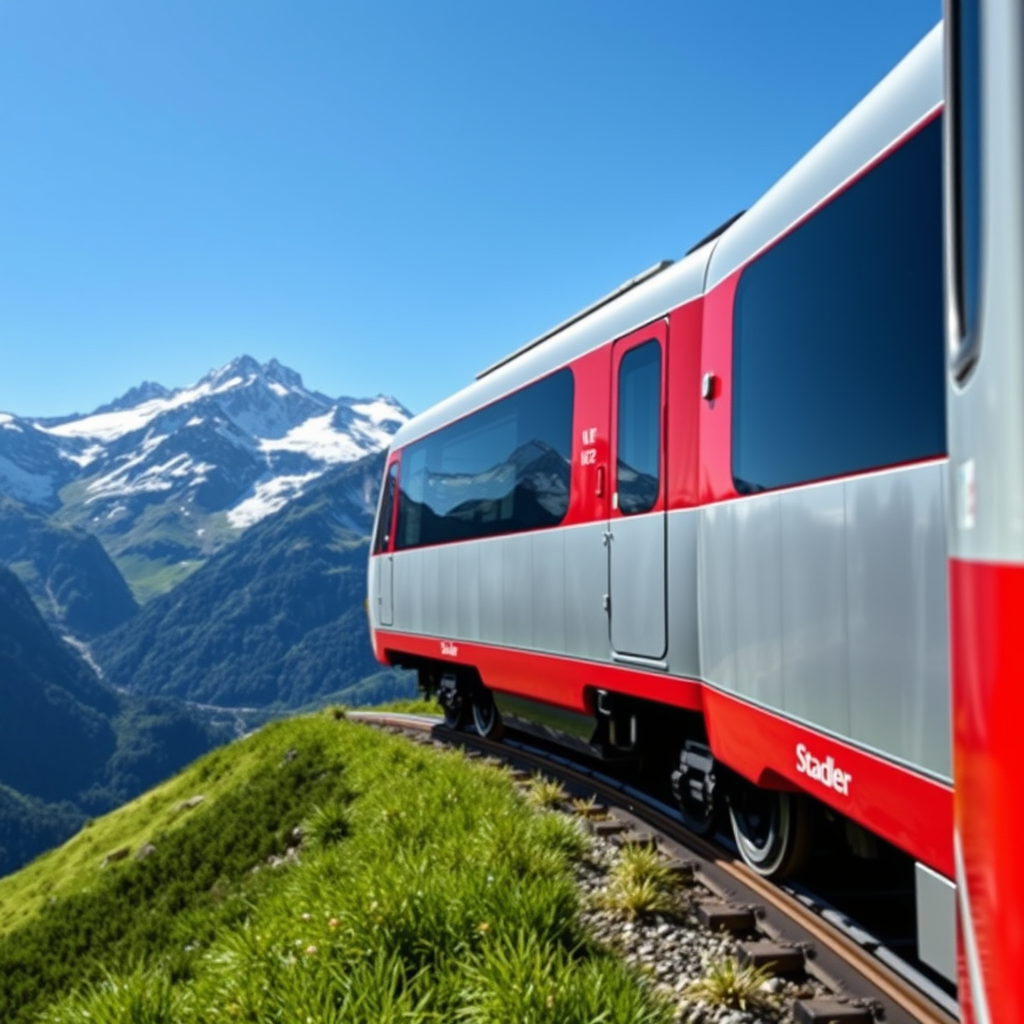
Modernizing the Mont Blanc Express: A Case Study in Cross-Border Rail Collaboration
This article examines the significant upgrade to the Mont Blanc Express railway line, focusing on the delivery of seven new metre-gauge trains by Stadler to Transports de Martigny et Régions (TMR) and the French national railway company, SNCF (Société Nationale des Chemins de fer Français). The project represents a substantial investment in cross-border rail transport infrastructure, highlighting the collaborative efforts between Switzerland and France to modernize a vital link in the Mont Blanc region. We will delve into the technical specifications of the new trains, the strategic importance of this modernization effort within a broader public transport strategy, and the environmental and accessibility considerations embedded within the design. The successful implementation of this project serves as a valuable case study for future cross-border rail modernization initiatives, showcasing best practices in procurement, technological integration, and sustainable transportation solutions.
New Rolling Stock for a Historic Line
The Mont Blanc Express, a century-old railway connecting Martigny, Switzerland, and St-Gervais-les-Bains, France, has received a much-needed fleet modernization. The existing rolling stock is being replaced with seven new Beh 4/8 trains manufactured by Stadler Rail, a leading manufacturer of railway vehicles. The SFr76m ($91.9m) investment underscores the commitment to improving passenger experience and operational efficiency. The delivery of the first train in April 2025, with full fleet deployment anticipated by autumn 2025, marks a significant milestone in this project. The trains’ unique design, incorporating both cogwheel and adhesion operation capabilities, allows for seamless transit across varied terrains within the challenging Alpine landscape. This adaptability enhances operational flexibility and efficiency.
Technological Advancements and Accessibility
The new trains showcase several technological advancements. The modular design allows for flexible coupling of multiple units to accommodate varying passenger loads, particularly during peak travel periods. The incorporation of large panoramic windows enhances the scenic experience for passengers. Beyond passenger comfort, the trains are equipped with modern energy recovery systems, converting braking energy into reusable electrical energy. This significantly contributes to the environmental sustainability of the operation. Importantly, the design fully complies with the Swiss Disability Discrimination Act (BehiG), ensuring seamless accessibility for passengers with reduced mobility. The trains also feature energy-efficient air conditioning systems, further enhancing their sustainability profile. This showcases a commitment to both improved passenger experience and environmental responsibility.
Cross-Border Collaboration and Public Transport Strategy
The Mont Blanc Express modernization is not merely a fleet renewal project; it’s a key component of a larger public transport strategy for the Mont Blanc region, supported by the Swiss Confederation, the Canton of Valais, and the French Auvergne-Rhône-Alpes (AURA) region. This collaboration highlights the effectiveness of joint initiatives in enhancing regional connectivity and economic development. The project’s success relies on the coordinated efforts of TMR, responsible for the Swiss section, and SNCF, managing the French operations. The shared responsibility emphasizes the importance of integrated management in cross-border rail projects.
Sustainable Practices and Future Implications
Stadler’s commitment to sustainable practices extended beyond the train’s design; the initial transport of the first train from the Bussnang factory to Martigny was conducted via environmentally friendly rail and road transport methods, minimizing the project’s carbon footprint. This reflects a broader industry shift towards more sustainable practices in manufacturing and transportation. The Mont Blanc Express modernization project serves as a compelling case study in successful cross-border rail collaboration, demonstrating the efficacy of strategic investments in sustainable, accessible, and technologically advanced rail systems. The project’s success in balancing technological innovation with environmental consciousness and accessibility serves as a model for future rail modernization endeavors, globally.
Conclusions
The modernization of the Mont Blanc Express, spearheaded by the delivery of seven new Stadler Beh 4/8 trains, represents a significant step forward for cross-border rail transport in the Mont Blanc region. The project highlights the successful collaboration between Switzerland and France, demonstrating the potential of joint ventures in enhancing regional connectivity and economic growth. The new trains, equipped with advanced technologies such as energy recovery systems and features ensuring accessibility for passengers with reduced mobility, mark a considerable upgrade in terms of passenger comfort, operational efficiency, and environmental sustainability. The modular design, cogwheel and adhesion operation capabilities, and compliance with the Swiss Disability Discrimination Act (BehiG) highlight a commitment to modern standards and inclusive transport. The project’s success is not only reflected in the delivery of state-of-the-art rolling stock but also in its adherence to sustainable practices throughout the entire process, from manufacturing to delivery. This integrated approach provides a valuable blueprint for future rail modernization projects globally, demonstrating the feasibility and benefits of combining technological advancement with ecological responsibility and accessibility considerations. The commitment shown by all stakeholders involved – Stadler, TMR, SNCF, and the supporting governmental bodies – reinforces the potential for cross-border rail collaboration to achieve significant improvements in transportation systems, benefitting both passengers and the environment. The Mont Blanc Express project is a compelling case study demonstrating how strategic investment, technological innovation, and a focus on sustainability can revitalize existing rail networks and create a more efficient and environmentally friendly transportation future.
RELATED POSTS
March 10, 2026 9:43 am
European Union Agency for Railways (ERA) provides 20 students free...
March 15, 2026 12:17 am
Île-de-France Mobilités and SNCF Voyageurs launched an €8 billion tender...
March 14, 2026 4:24 pm
PKP, DB, SNCF signed a joint declaration on February 17,...

Brest, France, inaugurated its second tram line and a new...
March 15, 2026 8:54 pm
SNCF Voyageurs invested €600 million to extend the life of...
March 15, 2026 10:49 am
RATP Dev secured a 10.5-year contract to operate the Étoile...