
Middle East’s $17B Rail & Road Network: Development Road
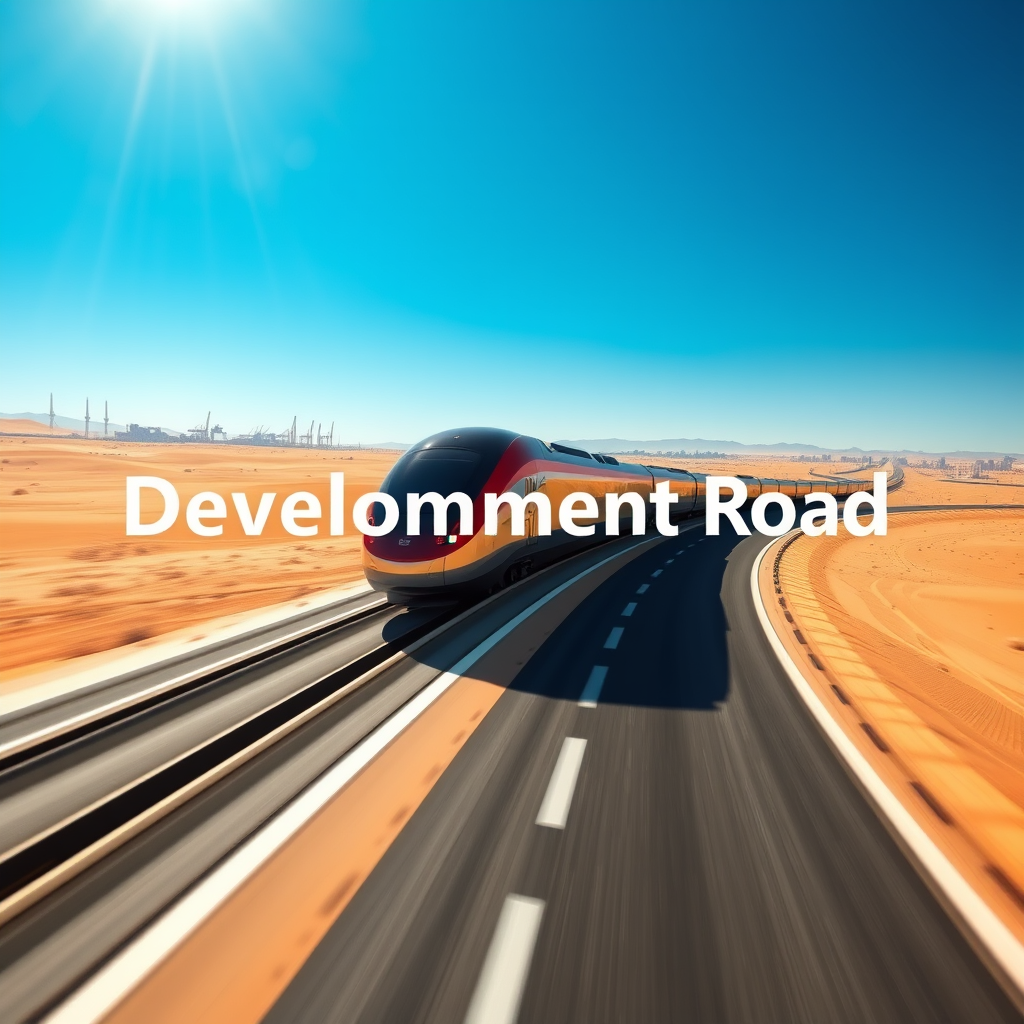
The Development Road: A Pan-Regional Rail and Road Initiative in the Middle East
This article examines the ambitious “Development Road” project, a 1,200km rail and road network linking Iraq, Turkey, Qatar, and the United Arab Emirates (UAE). This initiative, estimated at $17 billion, represents a significant undertaking aimed at boosting regional trade, connectivity, and economic development. The project’s complexity, however, necessitates careful consideration of various factors, including financing, logistical challenges, and political stability within the region. The strategic importance of this infrastructure development cannot be overstated, promising to reshape regional trade flows and potentially influencing geopolitical dynamics in the Middle East and beyond. The collaboration between these four nations highlights a potential paradigm shift in regional cooperation, focusing on shared economic goals and infrastructure development to promote mutual prosperity. We will explore the project’s scope, potential benefits, challenges, and its implications for regional integration.
Project Scope and Infrastructure
The Development Road’s core objective is to connect the Grand Faw Port (located on Iraq’s Al Faw peninsula) to Turkey via a combined rail and road network. This will involve traversing major Iraqi cities, including Basra, Baghdad, Karbala, Najaf, Diwaniyah, and Mosul, before crossing the Turkish border. The ultimate goal is to create a seamless transportation corridor linking the Middle East with Europe, potentially utilizing Turkey’s Mersin Port as a key transit point. This extensive infrastructure project requires significant investment in track laying, road construction, and the establishment of associated support infrastructure, including customs facilities and maintenance depots. The seamless integration of rail and road infrastructure is crucial for efficient goods movement and intermodal transport.
Economic and Geopolitical Implications
The economic benefits of the Development Road are potentially transformative. The project promises to significantly reduce transportation times and costs for goods moving between Europe and the Middle East, stimulating trade and economic growth across the participating nations. The Grand Faw Port, a central hub for this initiative, is expected to play a vital role in facilitating trade, particularly in oil and gas exports, as well as other goods. This increase in trade activity is anticipated to generate employment opportunities, promote regional economic integration, and contribute to the overall economic development of Iraq and its neighboring countries. However, the geopolitical ramifications are equally significant, as the project could enhance regional stability by fostering economic cooperation and interdependence. The potential impact on existing trade routes and the emergence of new trade alliances will need further analysis.
Financial and Logistical Challenges
The Development Road’s substantial cost ($17 billion) presents a significant hurdle. Securing funding, likely requiring a mix of public and private investment from both domestic and international sources, is paramount. Negotiating investment agreements and managing funding streams will demand effective collaboration and coordination amongst the participating countries. Logistical complexities, such as navigating diverse geographical terrains, managing construction across multiple borders, and ensuring interoperability between different rail gauges and road standards, need careful planning and risk mitigation strategies. Security concerns within certain regions along the proposed route also must be addressed proactively to guarantee the project’s success and safety.
Collaboration and Regional Cooperation
The successful implementation of the Development Road hinges on strong collaboration and cooperation amongst Iraq, Turkey, Qatar, and the UAE. The memorandum of understanding (MOU) signed by these nations represents a crucial step towards establishing a unified approach to project management, funding, and risk sharing. Effective communication channels, joint decision-making processes, and clear responsibility assignments are essential. Addressing potential disagreements and ensuring the equitable distribution of benefits among participating nations will be crucial for long-term project sustainability. The success of this regional collaboration would set a strong precedent for future infrastructure projects, showcasing a unified approach to overcoming common challenges in the Middle East.
Conclusions
The Development Road project, a significant infrastructure endeavor, aims to connect Iraq, Turkey, Qatar, and the UAE through a comprehensive rail and road network. The project’s potential economic benefits are substantial, including reduced transportation costs, increased trade, and regional economic growth. However, the initiative faces significant challenges, including substantial financial investment requirements, complex logistical hurdles, and potential security concerns. The successful execution of the Development Road is heavily contingent upon robust collaboration and coordination amongst the participating nations. The memorandum of understanding (MOU) signifies a critical step towards achieving this collaborative framework. The project’s success, however, requires clear strategies for funding acquisition, construction management, and addressing logistical and security challenges. The project’s long-term sustainability depends on transparent governance, equitable benefit distribution, and proactive risk management. Effective regional cooperation and efficient resource allocation are key determinants of the project’s ultimate impact on regional economic development and geopolitical dynamics. The successful completion of the Development Road could significantly enhance trade flows between Europe and the Middle East, transforming the region’s economic landscape and setting a precedent for future infrastructure development initiatives in the region. It will test the ability of these nations to overcome political, economic, and logistical challenges through collaborative effort.
RELATED POSTS

October 6, 2023 7:20 pm
Introduction This article delves into the recent completion of the...
July 30, 2025 1:33 pm
Portugal Secures Funding for High-Speed Rail Line, Ushering in a...
July 15, 2022 9:25 pm
This article explores the recent contract awarded to CRRC Puzhen...
September 27, 2022 11:20 pm
The Hitachi Blues Train: A Paradigm Shift in Sustainable Rail...
November 6, 2019 2:56 am
The following article explores the crucial collaboration between Network Rail...

March 17, 2025 3:13 am
This article examines the recent acquisition of two new track...