
Talgo & Systra Revitalize Metrolink Fleet
Talgo and Systra are revitalizing Southern California’s Metrolink fleet, upgrading 121 Bombardier cars for improved reliability and passenger comfort. Discover how this ambitious project is reshaping commuter rail!
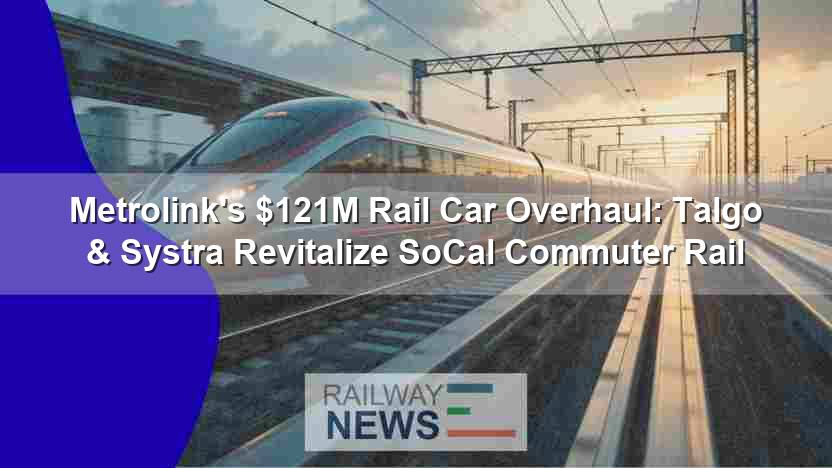
This article explores the significant contract awarded to a joint venture (JV) between Talgo and Systra by the Southern California Regional Rail Authority (SCRRA) for the detailed overhaul of up to 121 Bombardier passenger rail cars. This undertaking represents a substantial investment in modernizing the Metrolink commuter rail system, impacting ridership, operational efficiency, and the overall passenger experience. The project’s scope extends beyond simple maintenance, encompassing a complete revitalization of the aging fleet, addressing issues of reliability, passenger comfort, and technological integration. This analysis will explore the project’s technical aspects, the significance of the JV partnership, the logistical challenges involved, and the overall impact on Southern California’s public transportation infrastructure. The project’s success hinges on efficient project management, skilled labor, and the successful integration of modern technologies into the existing rail car designs. This deep dive will examine each of these critical components and provide insight into the long-term implications of this ambitious undertaking.
Scope of the Revitalization Project
The contract awarded to the Talgo-Systra JV encompasses a far-reaching modernization of the Bombardier passenger rail cars. This is not simply routine maintenance; it’s a complete overhaul designed to extend the service life of the fleet while significantly enhancing its performance and passenger experience. Key aspects of the project include upgrading the electrical systems (modernizing control voltage and battery systems), enhancing passenger communication systems, replacing aging HVAC (Heating, Ventilation, and Air Conditioning) systems, and upgrading door operators and controls. Additionally, the project involves improvements in passenger comfort, such as remodeling restrooms, installing new seat cushions and floor coverings, and repainting the exterior. The scale of these upgrades demonstrates SCRRA’s commitment to providing a more modern and reliable commuter rail service for the Southern California region.
The Strategic Partnership: Talgo and Systra
The selection of the Talgo-Systra JV underscores the strategic advantages of combining specialized expertise. Talgo, renowned for its high-speed rail technology and manufacturing capabilities, brings its extensive experience in rail car refurbishment and modification to the table. Systra, a global leader in transport infrastructure consulting and engineering, provides crucial project management expertise, ensuring on-time and within-budget delivery. This collaboration allows for a synergistic approach, leveraging the strengths of both companies to create a cohesive and efficient project execution plan. The JV’s confidence in delivering superior value and reliable performance highlights the collaborative strength of the partnership.
Logistical Considerations and Project Timeline
The project’s scale presents significant logistical challenges. The overhaul of up to 121 rail cars requires careful planning and execution to minimize disruption to Metrolink’s operational schedule. The project timeline, with deliveries starting 450 days after the notice to proceed and subsequent batches of five cars every 90 days, demands precise coordination between manufacturing, transportation, and integration. All overhaul work is being conducted at Talgo’s facilities in Milwaukee, requiring efficient transportation logistics for the rail cars. Effective project management is paramount to ensure that these logistical hurdles are overcome smoothly and without compromising the quality of the work.
Impact on Metrolink and Southern California
This revitalization project has a profound impact on the Metrolink commuter rail system and the broader Southern California region. By modernizing the fleet, the project enhances passenger comfort, safety, and reliability. Upgraded systems translate to a more comfortable and efficient travel experience, potentially boosting ridership and contributing to reduced traffic congestion. The investment in the fleet also signifies a commitment to long-term sustainability, extending the service life of the rail cars and delaying the need for costly replacements. This modernization effort reflects a broader strategic vision for enhancing public transportation within the region and underscores the importance of investing in robust and reliable infrastructure.
Conclusion
The Talgo-Systra JV’s contract to rebuild SCRRA’s Bombardier passenger rail cars represents a significant investment in modernizing Southern California’s Metrolink commuter rail system. The project’s scope involves extensive upgrades to improve reliability, performance, and passenger comfort. The strategic partnership between Talgo and Systra leverages their respective expertise in rail car refurbishment and project management. The successful execution of this project, with its inherent logistical complexities, is contingent upon meticulous planning and coordination. The completed project will lead to an enhanced passenger experience, increased operational efficiency for Metrolink, and a positive impact on the broader Southern California transportation landscape, underscoring the importance of sustainable investment in public transportation infrastructure. The long-term benefits of this revitalization extend beyond mere aesthetic improvements, enhancing the reliability and efficiency of Metrolink, thereby encouraging increased ridership and contributing to a more sustainable and efficient transportation system for the region. The successful completion of this project serves as a model for future fleet modernization initiatives, demonstrating the value of strategic partnerships and a commitment to enhancing public transit systems.

Railway infrastructure, rolling stock and transport technologies specialist focused on global rail industry developments, high-speed rail systems, signaling technologies and freight transportation. Covering railway investments, public transport modernization, rail operations and international mobility projects across Europe, Asia and North America.
RELATED POSTS

September 6, 2026 5:19 am
Hitachi delivered Taiwan's first N700ST high-speed train from Japan in...

September 5, 2026 4:19 pm
CPK launched formal tender talks with four consortia to design...

September 6, 2026 6:17 am
Hungary ordered a national ban on most freight trains from...

September 6, 2026 1:17 am
Hitachi Toshiba Supreme Consortium confirmed the first of 12 N700ST...
September 5, 2026 6:17 pm
Universal Signalling won a deal to install its U-Cross system...
September 6, 2026 8:17 am
DB InfraGO reopened the Nuremberg-Regensburg line in Bavaria on 31...