
Metro-North’s Green Revolution: Battery-Electric Locomotives
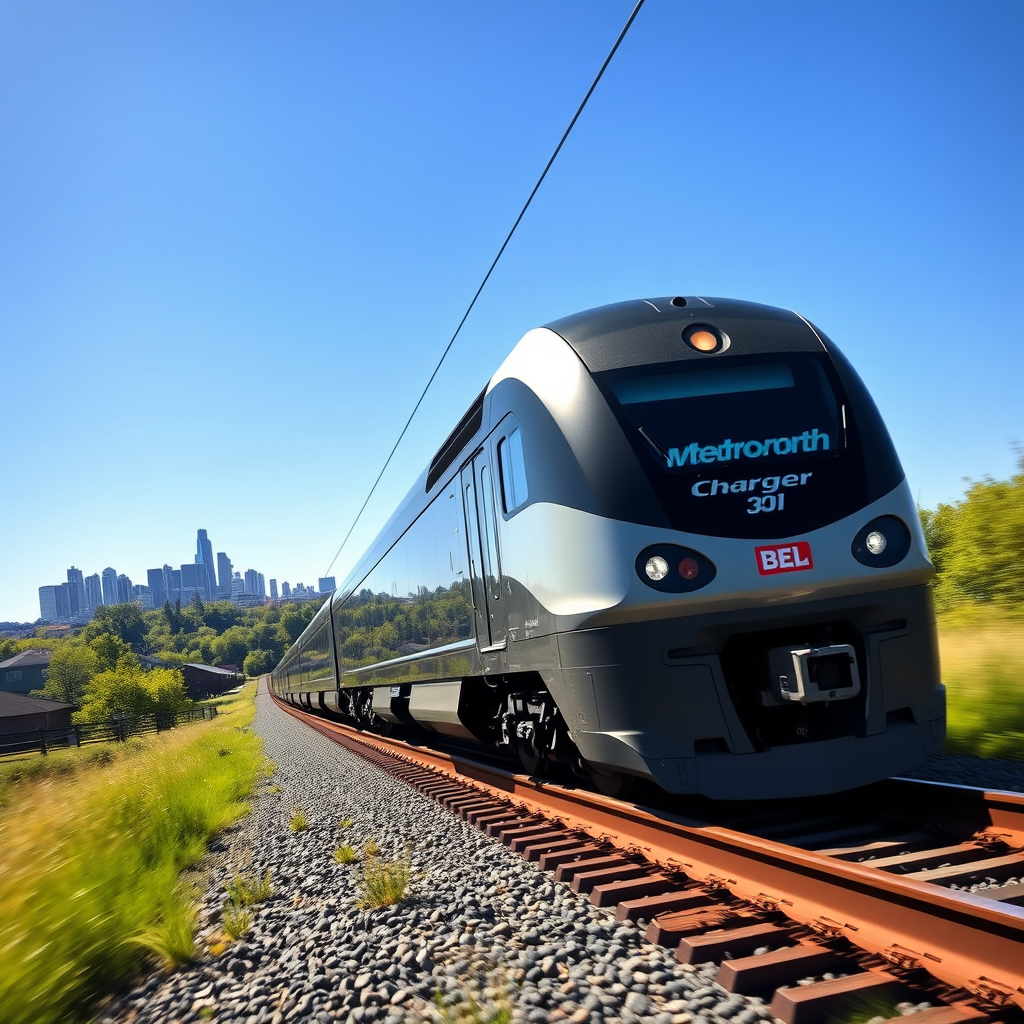
The adoption of sustainable technologies within the railway sector is paramount for mitigating environmental impact and improving operational efficiency. This article explores the groundbreaking initiative by Metro-North Railroad to introduce thirteen battery-electric locomotives (BELs) to its fleet, marking a significant advancement in North American rail transportation. This represents a pivotal shift towards greener commuting options and highlights the innovative solutions being employed to address the challenges of electrification and sustainability within existing rail networks. We will examine the technological advancements embodied in these locomotives, the operational implications of their deployment, and the broader context of sustainable practices within the rail industry. Furthermore, the article will analyze the potential for wider adoption of similar technologies and the long-term implications for both passenger experience and environmental responsibility within the North American railway system. The strategic considerations behind this choice, including cost-effectiveness and operational flexibility, will also be discussed.
Metro-North’s Green Initiative: Battery-Electric Locomotives
Metro-North Railroad’s decision to acquire 13 battery-electric locomotives signifies a bold step towards environmentally responsible rail operations. These locomotives, manufactured by Siemens Mobility, are based on the successful European Vectron platform and represent a significant technological leap for North American passenger rail. Unlike traditional diesel locomotives, these BELs primarily draw power from overhead catenary systems (OCS), a standard method of electrification in many railway systems. However, their unique capability lies in their ability to seamlessly transition to battery power when operating on non-electrified sections of track, such as those around Penn Station in New York City where the electrical infrastructure differs. This dual-mode operation eliminates the need for diesel engines, drastically reducing greenhouse gas emissions and noise pollution.
Technological Advancements and Operational Efficiency
The Siemens Charger locomotives represent a sophisticated blend of existing and novel technologies. The use of a proven platform like the Vectron provides a foundation of reliability and efficiency. The integration of high-capacity batteries allows for sustained operation on non-electrified segments, significantly enhancing operational flexibility. The ability to operate in both electric and battery modes offers increased resilience against power outages, minimizing service disruptions. Furthermore, the locomotives’ design is intended to be compatible with existing Metro-North coach cars, minimizing the need for extensive modifications to rolling stock (RS).
Environmental Impact and Sustainability
The primary driver behind this initiative is the commitment to environmental sustainability. By replacing diesel locomotives with BELs, Metro-North aims to drastically reduce its carbon footprint. The reduction in greenhouse gas emissions, particulate matter, and noise pollution will contribute to improved air quality and a quieter travel experience for passengers and communities along the railway lines. This move aligns with broader global efforts to decarbonize transportation and demonstrates a strong commitment to corporate social responsibility. This technology offers a viable pathway towards cleaner and more sustainable rail operations, potentially serving as a model for other North American railway systems.
Strategic Implications and Future Prospects
The procurement of these BELs is not merely a technological upgrade; it’s a strategic investment with far-reaching implications. The ability to provide reliable service on both electrified and non-electrified lines enhances operational flexibility and resilience. The lower operating costs associated with electric traction compared to diesel, coupled with the potential for reduced maintenance needs, make this a financially sound decision in the long term. This project could also foster innovation in the North American rail industry, potentially encouraging further investment in similar battery-electric technologies and ultimately leading to a wider adoption of sustainable practices across the continent. The successful implementation of this project could set a precedent for other transit agencies, demonstrating the feasibility and benefits of integrating BELs into existing rail infrastructure.
Conclusion
Metro-North Railroad’s adoption of battery-electric locomotives marks a significant turning point for North American passenger rail. This initiative represents a considerable advancement in sustainable transportation, demonstrating the feasibility and effectiveness of integrating advanced technologies into existing rail networks. The Siemens Charger locomotives offer a compelling blend of operational efficiency, environmental responsibility, and cost-effectiveness. Their ability to operate seamlessly on both electrified and non-electrified lines expands operational flexibility, while drastically reducing emissions and noise pollution. The success of this project could serve as a powerful catalyst for wider adoption of similar technologies across the continent, pushing the North American rail industry towards a greener and more sustainable future. The long-term benefits extend beyond environmental concerns, encompassing improved operational efficiency, reduced maintenance costs, and a more appealing passenger experience. Metro-North’s commitment to this initiative sets a strong example for other transit agencies and underscores the crucial role of innovation in creating a more sustainable and efficient transportation system. The strategic decision by Metro-North to invest in this technology signifies a significant step towards a cleaner, more sustainable, and efficient future for passenger rail in North America, paving the way for a broader industry-wide shift toward environmentally responsible transportation solutions.
RELATED POSTS
July 29, 2025 7:33 am
ORR approves expanded open access rail services on East Coast...
February 26, 2025 3:07 pm
Unlocking the Potential of Rail Freight in Greater Manchester The...
January 26, 2026 12:39 pm
Iarnród Éireann invests €23 million in 68 new infrastructure maintenance...

October 24, 2021 7:33 am
This article delves into the significant 30-year maintenance contract awarded...
August 6, 2025 7:33 am
Northumberland Line surpasses 500,000 passenger journeys in 8 months, demonstrating...
July 24, 2025 9:33 pm
CSX Q2 2025 earnings dip due to lower coal prices...