
Metra’s RFP: 200+ New Railcars for Chicago
Chicago’s Metra is seeking at least 200 new railcars! Submit your proposal for this game-changing modernization project. Learn more!
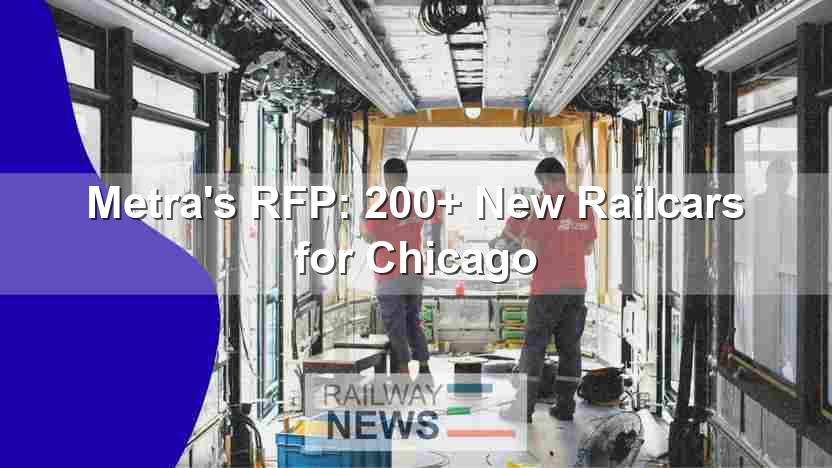
The Metropolitan Commuter Rail District (Metra), serving the Chicago metropolitan area, has embarked on a significant modernization initiative with the release of a Request for Proposals (RFP) for the procurement of at least 200 new railcars. This decision reflects a critical need to address the growing ridership demands, enhance passenger comfort and safety, and replace aging rolling stock. This article will delve into the specifics of Metra’s RFP, exploring the motivations behind this substantial investment, the technical requirements likely included in the proposal, the competitive landscape for manufacturers, and the broader implications for the future of commuter rail service in Chicago. The procurement process, projected timeline, and the potential for future expansions will also be examined. The scale of this project highlights the importance of careful planning, technological advancements, and the collaboration needed to deliver a modern, efficient, and passenger-centric commuter rail system.
Addressing Growing Ridership and Aging Infrastructure
Metra’s existing fleet, including its bi-level gallery cars, while functional, is showing its age and struggles to meet the increasing passenger demand. The need for increased seating capacity is paramount. The RFP explicitly states the requirement for at least 200 new railcars, with an option to procure an additional 200, depending on funding. This significant expansion signals Metra’s commitment to accommodating future ridership growth and enhancing the overall passenger experience. The aging infrastructure necessitates a modernization program that not only improves capacity but also prioritizes passenger safety and comfort. This replacement initiative also addresses issues of maintenance costs and operational efficiency associated with the aging fleet.
Technical Specifications and Passenger Amenities
Beyond simply increasing seating capacity, the RFP likely outlines stringent technical specifications to ensure the new railcars meet Metra’s operational requirements and safety standards. These specifications will undoubtedly encompass factors like speed capabilities, braking systems, accessibility features for passengers with disabilities (ADA compliance), and overall structural integrity. Additionally, the RFP encourages innovative designs that enhance passenger comfort and convenience. Features such as heated floors and Wi-Fi connectivity are specifically mentioned, highlighting Metra’s focus on creating a modern and appealing travel environment. Meeting these technical requirements while remaining cost-effective will be a key challenge for manufacturers bidding on the project. The emphasis on safety is also crucial, including features that improve collision avoidance and passenger safety in the event of an incident.
Competitive Bidding and Industry Response
Metra’s RFP will undoubtedly attract significant interest from major railcar manufacturers, both domestic and international. The sheer scale of the project, coupled with the potential for follow-on orders, represents a substantial opportunity. The bidding process will be highly competitive, with manufacturers vying to showcase their latest technologies and designs. Success will hinge not only on meeting Metra’s technical specifications but also on demonstrating a detailed understanding of the commuter rail environment and the unique needs of the Chicago market. The evaluation criteria will likely weigh factors such as lifecycle costs, maintenance requirements, and the manufacturer’s ability to meet delivery deadlines. Successful bidders will likely demonstrate a strong track record in delivering comparable projects and possessing a robust after-sales support network.
Implications and Future Outlook
The procurement of these new railcars represents a significant investment in the future of Metra and Chicago’s commuter rail system. The successful completion of this project will directly contribute to improved passenger satisfaction, enhanced operational efficiency, and a more sustainable transportation network. The selection of new railcar designs will influence the passenger experience for decades to come. The project will not only address current capacity constraints but will also provide a foundation for future expansion and improvements. The successful bidder will play a vital role in shaping the passenger experience and contributing to the long-term success of Metra. Metra’s recent $70.9 million contract to upgrade locomotives further underlines its broader commitment to fleet modernization. This detailed approach will undoubtedly enhance reliability, safety and overall passenger experience for years to come.
Conclusions
Metra’s ambitious RFP for at least 200 new railcars signifies a crucial step toward modernizing Chicago’s commuter rail network. The initiative directly addresses the growing ridership, the need for increased capacity, and the replacement of aging infrastructure. The RFP’s emphasis on passenger comfort, safety, and technological advancements signals a commitment to a superior passenger experience. The competitive bidding process will likely attract prominent railcar manufacturers worldwide, leading to innovation and the deployment of cutting-edge technologies in the Chicago commuter rail system. The project’s success hinges on careful planning, stringent technical specifications, and a robust evaluation process that considers both initial costs and long-term operational efficiency. This modernization effort extends beyond simply replacing old cars; it represents a strategic investment in sustainable transportation, enhancing the efficiency, reliability, and attractiveness of public transit in the Chicago metropolitan area. The anticipated improvements in passenger comfort, coupled with increased capacity, are expected to boost ridership and contribute significantly to the region’s economic vitality. The successful implementation of this project will serve as a model for other commuter rail systems facing similar challenges, demonstrating the importance of proactive planning and investment in modernizing aging infrastructure to meet growing transportation demands.

Railway infrastructure, rolling stock and transport technologies specialist focused on global rail industry developments, high-speed rail systems, signaling technologies and freight transportation. Covering railway investments, public transport modernization, rail operations and international mobility projects across Europe, Asia and North America.
RELATED POSTS

October 1, 2026 7:09 am
United States regulators confirmed a September 30 deadline for the...

October 8, 2026 1:15 pm
Alstom secured a €1bn contract to build 13 automated trains,...

October 4, 2026 5:14 pm
Alstom secured a CA$4.7 billion order from VIA Rail Canada...

October 8, 2026 12:18 pm
Siemens Mobility signed an agreement with VinSpeed to supply 350...

October 1, 2026 12:13 am
Illinois approved $1.5 billion annually for the Northern Illinois Transit...
October 6, 2026 2:14 am
Union Pacific launched export rail shipments with Ferromex to deliver...