
Mercitalia’s Rail Revolution: 70 New Traxx Locomotives
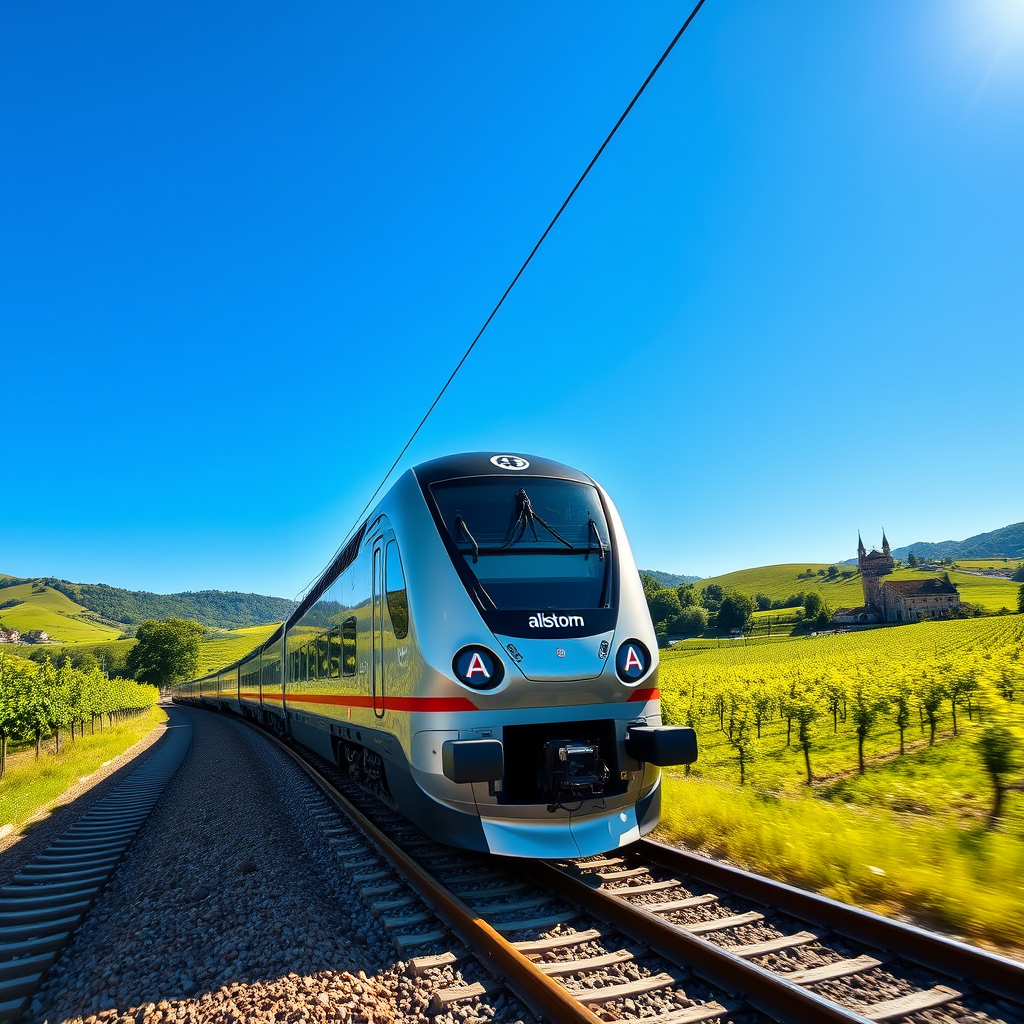
Revitalizing Italian Rail Freight: Mercitalia’s Strategic Locomotive Investment
This article examines Mercitalia Rail’s significant investment in 70 additional Traxx Universal DC3 locomotives from Alstom, representing a crucial step in modernizing Italy’s freight rail network. This €323 million deal builds upon previous orders, highlighting a commitment to enhancing efficiency and competitiveness within the Italian logistics sector. The acquisition isn’t merely about increasing rolling stock; it signifies a broader strategy to address infrastructural limitations, improve operational flexibility, and ultimately bolster Italy’s position in European freight transport. We will explore the technical specifications of the locomotives, the strategic implications of this investment for Mercitalia and the Italian economy, and the broader context of Italy’s ambitious rail modernization plans. Finally, we will consider the potential long-term impact on the efficiency and sustainability of Italian freight logistics.
Technological Advancements in the Traxx DC3 Locomotives
The Traxx Universal DC3 (Direct Current) locomotives are chosen for their versatility and efficiency. Their adaptability to both electrified and non-electrified lines is a key feature, thanks to the inclusion of a low-powered diesel engine for “Ultimo Miglio” (last mile) operations. This eliminates the need for separate shunting locomotives on non-electrified sections, streamlining operations and reducing costs. The “Ultimo Miglio” capability significantly enhances operational flexibility, allowing for seamless transitions between electrified mainline and non-electrified branch lines, a critical consideration given the diverse nature of the Italian rail network. This functionality reduces dwell times and overall transportation costs, making the operation more competitive. Furthermore, potential future integration with advanced Intelligent Transportation Systems (ITS) could further optimize their performance and integration within broader rail management systems.
Strategic Implications for Mercitalia and the Italian Economy
Mercitalia’s substantial investment reflects a proactive strategy to enhance its market position and contribute to the revitalization of Italy’s freight rail sector. By modernizing its fleet, Mercitalia aims to improve service reliability, increase operational efficiency, and attract new business. The increased capacity provided by the additional locomotives will allow for greater freight volume and improved delivery times, making rail freight a more attractive and competitive alternative to road transport. This has significant positive implications for the Italian economy, reducing road congestion, lowering carbon emissions, and bolstering the country’s supply chain resilience. The investment aligns with the Italian government’s ambitious €200 billion plan to modernize its rail infrastructure over the next 12 years, underlining a national commitment to sustainable and efficient transportation.
The Broader Context of Italian Rail Modernization
Mercitalia’s investment is part of a larger national effort to transform Italy’s rail network. The €200 billion investment program signals a long-term commitment to upgrading infrastructure, enhancing capacity, and integrating advanced technologies. This includes not just procuring new rolling stock, but also modernizing signaling systems, improving track maintenance, and developing high-speed rail lines. This comprehensive approach addresses systemic challenges within the Italian rail sector, enhancing not only freight transport but also passenger services. The integration of advanced technologies, including potential future applications of ITS, will be crucial for maximizing the efficiency and effectiveness of the modernized network. A robust and efficient rail network is seen as essential for supporting Italy’s economic growth and competitiveness within the European Union.
Conclusions: A Catalyst for Sustainable Freight Transport
Mercitalia Rail’s acquisition of 70 new Traxx DC3 locomotives marks a pivotal moment in the modernization of Italy’s freight rail sector. This significant investment, coupled with the Italian government’s broader infrastructure program, is poised to yield substantial benefits. The enhanced operational flexibility provided by the locomotives’ “Ultimo Miglio” capability, addressing the challenge of non-electrified lines, significantly improves efficiency. The increased capacity will allow for greater freight volume, reducing reliance on road transport and its associated environmental impact. This investment isn’t just about acquiring new locomotives; it represents a strategic commitment to sustainable and efficient freight transportation, boosting Italy’s competitiveness in the European market and supporting the nation’s broader economic goals. The success of this initiative will depend on continued investment in infrastructure, effective integration of advanced technologies, and a strategic approach to optimizing operations across the entire supply chain. The ultimate impact will be a more efficient, sustainable, and competitive Italian freight rail network, benefitting both the national economy and the environment.
RELATED POSTS

July 7, 2025 11:33 am
ORR denies open access applications on congested WCML, citing capacity...
March 11, 2025 7:40 pm
Revolutionizing Italian Intermodal Freight: The EasyRailFreight Initiative Italy’s railway infrastructure...

October 25, 2015 5:02 am
Bombardier Transportation has signed a contract to provide 62 TRAXX...

November 16, 2019 9:03 pm
The following article explores the groundbreaking introduction of hydrogen-powered trains...

November 5, 2009 12:54 pm
Thailand’s Transportation Ministry is preparing a 20-year plan to upgrade...
November 6, 2022 3:19 am
Introduction This article explores the significant addition of the new...