
Melbourne Metro: Rail Innovation & Infrastructure
Melbourne Metro Rail: A $742.8 million USD project showcasing collaborative success in large-scale rail infrastructure. Discover how innovative technology and partnerships delivered a world-class metro system!
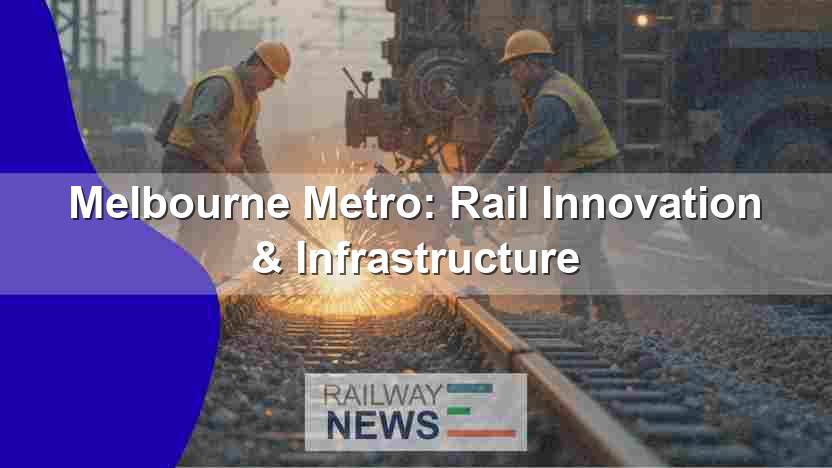
This article explores the significant Melbourne Metro Rail Project, focusing on the A$1 billion ($742.8 million USD) contract awarded to a consortium led by John Holland. The project represents a substantial undertaking in urban rail infrastructure development, aiming to alleviate congestion, improve passenger capacity, and modernize Melbourne’s public transport system. We will explore the scope of the project, the key players involved, the technological advancements employed, and the broader societal implications of such a large-scale endeavor. The successful completion of this project provides valuable insights into the complexities of managing large-scale infrastructure projects, highlighting the importance of collaborative partnerships, efficient project management, and the integration of innovative technologies to achieve ambitious goals within a set timeframe and budget. This detailed examination will offer a detailed understanding of the intricacies involved in modern rail infrastructure development and the substantial positive impacts such projects can have on urban environments.
The Scope and Significance of the Project
The Melbourne Metro Rail Project encompasses the construction of a 9km twin-tunnel rail line beneath the city center, connecting to existing lines to create a true metro system (a rapid transit system with high frequency, short headways). This involves not only the tunneling itself, but also the construction of new underground stations at key locations, significant upgrades to existing stations along the Sunbury and Dandenong lines, and the installation of a state-of-the-art signaling system. The project’s scale is immense; it requires the coordination of numerous contractors, engineers, and other specialists, all working within a complex urban environment. The sheer magnitude of excavation, track laying, and integration with existing infrastructure necessitates meticulous planning and execution. The improved signaling system alone promises significantly reduced wait times and increased train frequency, resulting in a dramatic increase in passenger capacity.
The Consortium and its Key Roles
The project’s success hinges on the collaboration and expertise of the Rail Infrastructure Alliance, a consortium led by John Holland, alongside CPB Contractors and AECOM. Each partner brings specific strengths to the table: John Holland, a prominent Australian construction firm, provides overall project leadership and management; CPB Contractors contributes its extensive experience in large-scale infrastructure projects; and AECOM, a global engineering firm, offers its expertise in design, planning, and project management. This diverse partnership brings together a wide range of skills and resources necessary for successful project delivery. The collaborative approach, fostering open communication and efficient coordination between these organizations, is essential for navigating the complexities of a project of this scale.
Technological Advancements and Operational Efficiency
The Melbourne Metro Rail Project leverages cutting-edge technologies to enhance efficiency and performance. The new signaling system, a crucial element of the upgrade, will enable significantly shorter headways (the time interval between trains) – allowing trains to pass through the new tunnels every two to three minutes in each direction. This represents a substantial improvement in operational efficiency and increased capacity. The implementation of advanced tunnel boring machines (TBMs) and other sophisticated construction technologies contributes to minimizing disruption to the city’s operation during construction. Integrating these technologies with the existing rail infrastructure requires intricate planning and precise execution. The successful deployment of these technologies is vital not only for the timely completion of the project but also for the long-term reliability and efficiency of the new rail system.
Societal Impact and Future Implications
The Melbourne Metro Rail Project is poised to have a profound impact on Melbourne’s residents and economy. Upon completion, it is expected to provide an additional 504,000 passenger trips per week, dramatically reducing congestion on the city’s three busiest rail lines. This increase in capacity will ease commutes, improve travel times, and contribute to a more efficient and livable city. The project’s economic benefits extend beyond immediate job creation, impacting long-term economic growth through improved transport connectivity, attracting new businesses, and enhancing the city’s attractiveness to both residents and visitors. Successfully completed large-scale transport infrastructure projects of this magnitude are pivotal for sustainable urban growth and improving the quality of life in a city.
Conclusion
The awarding of the A$1 billion contract to the John Holland-led consortium marks a significant milestone in the development of Melbourne’s public transport infrastructure. The Melbourne Metro Rail Project is not merely a construction project; it is a strategic investment in the city’s future, aimed at improving connectivity, reducing congestion, and enhancing the quality of life for its residents. The project’s success hinges on the effective collaboration of the Rail Infrastructure Alliance, the strategic implementation of advanced technologies, and the meticulous management of a complex, large-scale undertaking. The 9km twin-tunnel system, the upgraded stations, and the improved signaling system will collectively transform Melbourne’s transport network, delivering a true metro-style rail system capable of handling significantly increased passenger numbers. The project serves as a compelling case study in urban infrastructure development, highlighting the importance of integrated planning, advanced technology deployment, and effective collaboration to deliver projects that significantly improve the efficiency, livability, and overall economic health of a city. The projected increase in passenger capacity, improved journey times, and enhanced connectivity showcase the transformative potential of strategic investments in public transportation infrastructure, and the resulting positive impact on urban environments and economies around the world. The timely completion of this project will be a significant testament to the effectiveness of large-scale collaborative efforts, the application of modern technologies, and the forward-thinking vision of infrastructure planning.

Railway infrastructure, rolling stock and transport technologies specialist focused on global rail industry developments, high-speed rail systems, signaling technologies and freight transportation. Covering railway investments, public transport modernization, rail operations and international mobility projects across Europe, Asia and North America.
RELATED POSTS

October 1, 2026 7:09 am
United States regulators confirmed a September 30 deadline for the...

October 8, 2026 1:15 pm
Alstom secured a €1bn contract to build 13 automated trains,...

October 4, 2026 5:14 pm
Alstom secured a CA$4.7 billion order from VIA Rail Canada...

October 1, 2026 12:13 am
Illinois approved $1.5 billion annually for the Northern Illinois Transit...

October 6, 2026 2:14 am
Union Pacific launched export rail shipments with Ferromex to deliver...

October 1, 2026 6:10 am
Amtrak approved a System Expansion Committee on July 30 to...