
Melbourne Metro Rail: Asset Management Upgrade & Future Rail
Melbourne Metro Rail upgrades asset management, aiming for efficiency and sustainability through tech integration.
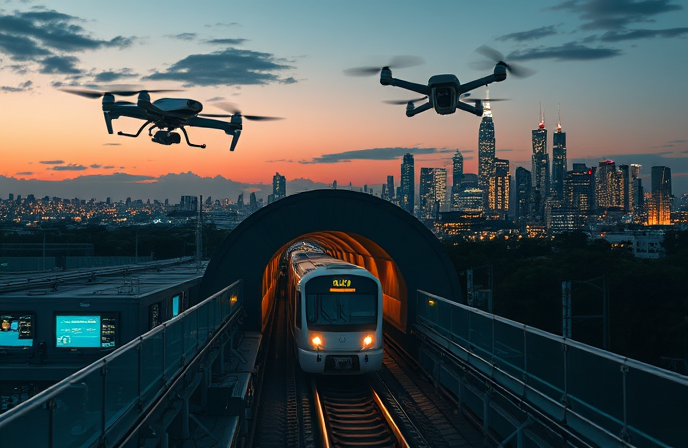
Melbourne Metro Rail Embarks on Ambitious Asset Management Upgrade
Melbourne’s bustling metropolitan rail network is undergoing a significant transformation to enhance its operational efficiency, sustainability, and resilience. This comprehensive upgrade, driven by increasing service demands and the integration of cutting-edge technologies, aims to modernize asset management practices across the network. The project, spearheaded by Metro Trains, seeks to improve information flow, streamline processes, and adopt sustainable practices to ensure a reliable and future-proof rail system for commuters. The core objective is to adapt to the demands of a growing city and future-proof the network. The project involves the implementation of innovative technologies, data-driven strategies, and infrastructure upgrades, as the city prepares for the future of transportation. This article explores the multifaceted approach Metro Trains is taking to revolutionize its asset management capabilities and how it is positioning itself for long-term success.
Innovations in Asset Management Practices
The driving force behind the upgrades is the adoption of advanced asset management methodologies. Paul O’Halloran, Executive Director of Network Assets and Assurance for Metro Trains, highlights the company’s commitment to “transformed business operations.” This transformation encompasses streamlining processes to improve efficiency and data transfer and implementing new technology to support operational goals. The project’s core is based on a foundation of lifecycle assessments and energy efficiency, aligning with a broader sustainability initiative. Specific details of the technologies employed were not provided in the source material, but the implementation of new technologies is a central aspect of the upgrade.
Embracing Technological Advancements
The rail network’s upgrade capitalizes on the rapid evolution of technology within the railway sector. O’Halloran believes that future development will involve greater integration with smart city infrastructures. Metro Trains intends to continue investing in digital transformation and data-driven strategies. This forward-thinking approach is essential for maintaining a modern and efficient rail system. The goal is to leverage AI scaling and smart city integration to boost operational efficiencies and user experience. Metro Trains are preparing for decarbonisation efforts, as well as improvements in cybersecurity and digital infrastructure to stay at the forefront of the industry.
Challenges of Integration
Integrating new technologies into an infrastructure that comprises both state-of-the-art and decades-old components presents significant challenges. The Metro Trains network must find ways to integrate modern systems with older infrastructure, which can cause temporary service disruptions. This integration demands detailed planning, cross-sector collaboration, and sustained financial commitment. This is a complex, costly undertaking, requiring extensive evaluation to ensure seamless operability and prevent interruptions to the service.
Looking Ahead: Sustainability and Strategic Partnerships
Metro Trains is committed to sustainable practices and has incorporated environmental considerations into its asset management strategies. Their approach to sustainability is not only for energy efficiency but also for overall improvement. This includes decarbonization initiatives and improvements in user experience, cybersecurity, and digital infrastructure. O’Halloran has indicated that collaboration with stakeholders is crucial, as well as long-term commitment to ensure that improvements are sustainable.
Conclusion
Melbourne Metro Trains is undergoing a comprehensive asset management upgrade that promises significant improvements to its efficiency, sustainability, and operational capacity. The modernization strategy includes the implementation of new technologies and process streamlining, which ensures a more resilient and reliable service. The project aligns with broader efforts towards environmental sustainability, especially focusing on energy efficiency and decarbonisation. The successful integration of modern systems with aging infrastructure will be crucial.
The ongoing investment in digital transformation and data-driven decision-making positions Metro Trains to lead innovation within the railway sector. This project reflects global trends toward smart cities and integrated transportation networks. The insights revealed in the upcoming Urban Rail Conference will be crucial to understanding this complex project’s full scope. The successful execution of these changes will establish new standards for asset management and sustainable urban transport systems. Melbourne’s initiative holds implications for urban rail operators worldwide, providing a case study of modernization and efficient operation.
RELATED POSTS
October 24, 2025 9:55 am
Hitachi Rail will maintain signalling systems on the Sofia–Plovdiv–Svilengrad railway...
October 29, 2025 10:54 am
New San Juan Creek Bridge opens, boosting rail safety and...
February 15, 2026 4:59 pm
Vitoria-Gasteiz expands its tram network with nine new 44-meter CAF...
December 1, 2025 11:42 am
AECOM to assess the Leamside Line reopening, a key railway...

October 25, 2016 9:34 pm
Network Rail's £100 million **Severn Tunnel upgrade** is complete, ensuring...

February 25, 2017 4:19 pm
Pipe and wheel company (TAC) “Interpipe” (Dnipro) has signed a...