
Maritime, GB Railfreight: New Rail Services Boost UK Supply Chain
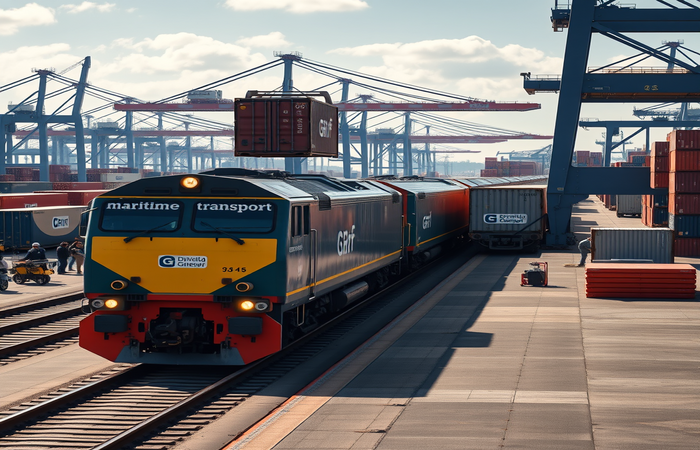
Maritime Transport and GB Railfreight Expand Intermodal Rail Services
The strategic partnership between Maritime Transport and GB Railfreight (GBRf) has been fortified with the launch of two new intermodal rail services. These services are designed to enhance connectivity between DP World London Gateway and inland terminals located at Hams Hall and iPort Doncaster. This expansion is a direct response to growing container volumes at London Gateway, where a significant capacity expansion project is about to begin. This article will delve into the specifics of these new services, their operational aspects, and the broader implications for the UK’s supply chain, modal shift, and sustainability goals. We will explore the motivations behind this expansion, the benefits it offers, and the collaborative efforts that make it possible.
New Rail Services and Operational Details
The newly established intermodal services between DP World London Gateway and the inland terminals at Hams Hall and iPort Doncaster are operational six days a week, from Monday to Saturday. This frequency underscores the commitment to provide reliable and consistent transport solutions. The services are designed to manage increasing container volumes, reflecting the dynamic nature of the maritime trade landscape. The commencement of these services aligns with the upcoming GBP 1 billion expansion at London Gateway, which aims to boost its capacity and further solidify its position as a major UK port. The strategic placement of these rail services directly links to key inland hubs, optimizing the flow of goods and reducing reliance on road transport.
Driving Modal Shift and Sustainable Transport
Maritime Transport’s continued investment in its rail network and infrastructure is a clear indication of its dedication to improving inland connectivity and promoting modal shift. The goal is to transition freight from road to rail across crucial UK corridors. Rail transport offers significant environmental advantages, reducing emissions and contributing to the UK’s transition toward more sustainable transport practices. By providing lower-carbon alternatives to road transport, these new services aim to benefit the broader supply chain and align with the UK’s sustainability goals. This initiative supports a more efficient and environmentally responsible logistics network, reducing carbon footprints associated with freight transportation.
Collaboration and Economic Benefits
The partnership between Maritime Transport and GB Railfreight (GBRf) highlights the positive outcomes of long-term collaboration within the freight industry. This collaborative approach fosters innovation and provides practical, lower-carbon alternatives to road transport. This helps to drive the economy, the new services offer economic benefits by improving the efficiency of the supply chain, reducing congestion on roads, and supporting the growth of key ports and inland terminals. London Gateway’s growth, supported by its role in the Gemini Cooperation’s Asia-Europe network, and a major expansion project, the new rail services provide the extra capacity necessary to support that growth and boost our national network.
Conclusions
The expansion of the partnership between Maritime Transport and GB Railfreight, marked by the launch of new intermodal rail services, represents a significant step towards a more sustainable and efficient freight transportation network in the UK. These services, operating between DP World London Gateway and key inland terminals, are a direct response to growing container volumes and the increasing demand for reliable and environmentally friendly transport solutions. The strategic investment in rail infrastructure, coupled with the collaborative efforts of Maritime Transport and GB Railfreight, underscores a commitment to driving modal shift and reducing carbon emissions.
These new services not only enhance the efficiency of the supply chain but also offer substantial economic benefits by optimizing the flow of goods and reducing road congestion. As the UK continues to prioritize sustainability and seeks to reduce its carbon footprint, the role of rail freight becomes increasingly critical. The success of this partnership serves as a positive example of how strategic collaborations can contribute to a more sustainable and efficient transport network. The commitment to expanding rail freight capacity is crucial for supporting the growth of ports, inland terminals, and the broader UK economy while simultaneously advancing the nation’s sustainability objectives.
RELATED POSTS

January 22, 2026 6:39 pm
Beacon acquires Eversholt Rail, adding 2,627 passenger vehicles, including 1,890...

June 28, 2020 2:28 am
Introduction The global railway industry is undergoing a significant transformation...
June 18, 2025 8:01 am
Louisiana's $1.8B port project boosts rail infrastructure, promises jobs.

September 27, 2024 12:15 pm
The incident, detected on 1 September, has also led to...
July 10, 2018 1:59 am
EU high-speed rail faces major challenges: low speeds, cost...
March 25, 2025 5:01 pm
Major High-Speed Line Renewal: Deutsche Bahn’s Hanover-Würzburg Project This article...