
Madrid Metro Line 1: €504M Upgrade

The modernization of urban rail systems is a crucial aspect of sustainable urban development. This article examines the significant investment by the Community of Madrid in upgrading its Metro Line 1, focusing on the procurement of 40 new trains at a cost of €504 million. This project represents a substantial commitment to improving the efficiency, capacity, and overall passenger experience on one of Madrid’s oldest and busiest metro lines. The decision is not isolated but forms part of a broader strategy to enhance the entire Madrid Metro network, highlighting the importance of long-term planning and investment in critical public transportation infrastructure. This analysis will explore the technical specifications of the new trains, the rationale behind the investment, the projected impact on operations, and the wider implications for the future development of Madrid’s metro system. The impact on the city’s overall transportation landscape and the role of such investments in fostering sustainable urban mobility will also be considered. The integration of advanced technologies, such as those associated with Intelligent Transportation Systems (ITS), will also be examined.
Line 1 Modernization: A €504 Million Investment
The Community of Madrid’s €504 million investment (€498.2 million for train procurement and €6.3 million for associated infrastructure works) in 40 new trains for Line 1 signifies a substantial commitment to upgrading its aging infrastructure. This represents a proactive approach to address growing ridership demands and improve overall operational efficiency. The project highlights a strategic focus on addressing capacity constraints and enhancing passenger comfort on a high-traffic line that serves approximately nine million passengers monthly. The procurement includes a ten-year maintenance contract, emphasizing the long-term vision of the project. The choice of CAF (Construcciones y Auxiliar de Ferrocarriles), a renowned rolling stock manufacturer, further underscores the commitment to high-quality, reliable equipment.
Technical Specifications and Operational Improvements
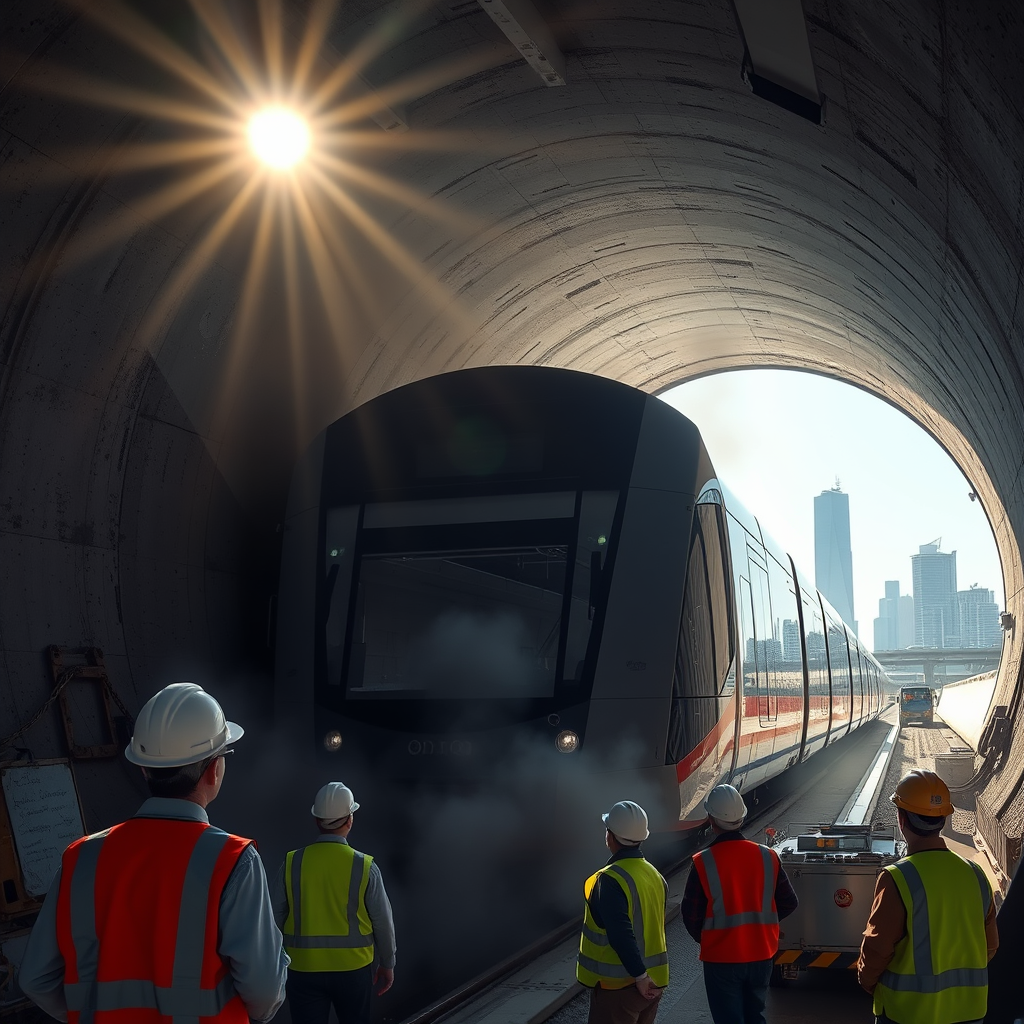
The new trains for Line 1 will be narrow-gauge, six-carriage units with intercommunicating corridors, and equipped with a driver’s cab. This semi-automatic train configuration represents a balance between automation and driver control, optimizing both safety and efficiency. The design prioritizes increased passenger capacity and improved speed compared to the older 2000 CBTC (Communication-Based Train Control) series trains that will be gradually phased out. The integration of advanced technologies will likely include features like improved passenger information systems and potentially elements of Intelligent Transportation Systems (ITS), contributing to enhanced overall operational efficiency and real-time monitoring capabilities.
Strategic Context and Network Integration
The Line 1 upgrade is not an isolated initiative. It is part of a larger strategy to modernize and expand the entire Madrid Metro network. The concurrent production of 40 wide-gauge trains for Line 6 demonstrates this broader commitment to rolling stock renewal and capacity expansion. The modernization efforts will improve network efficiency by facilitating a more efficient redistribution of existing rolling stock. This strategic approach aligns with sustainable urban planning principles, prioritizing investment in public transportation to alleviate traffic congestion and reduce carbon emissions. Furthermore, the planned extension of Line 11 to Conde de Casal underscores the interconnectedness of the project within the overall network expansion plans.
Long-Term Vision and Sustainable Urban Mobility
The Madrid Metro’s Line 1 modernization project embodies a long-term vision for sustainable urban mobility. The €504 million investment is not merely about replacing outdated trains; it’s about enhancing the entire passenger experience, improving operational efficiency, and fostering sustainable urban growth. The ten-year maintenance contract indicates a commitment to the long-term viability and cost-effectiveness of the new fleet. The integration of modern technologies and a focus on increased capacity reflect a forward-looking approach to managing increasing ridership and reducing the environmental impact of urban transportation. The project serves as a model for other cities facing similar challenges in modernizing their aging infrastructure while accommodating growing urban populations.
Conclusions
In conclusion, the Community of Madrid’s investment of €504 million in 40 new trains for Metro Line 1 marks a pivotal moment in the city’s commitment to sustainable and efficient public transportation. This project is not merely a replacement of aging rolling stock but a strategic move to enhance capacity, improve passenger experience, and integrate advanced technologies for optimized operations. The decision reflects a long-term vision extending beyond immediate needs, encompassing a ten-year maintenance plan and aligning with broader network expansion goals, notably the planned extension of Line 11. The integration of these new trains, alongside the ongoing modernization of Line 6, speaks volumes about the city’s proactive approach to managing a growing population and its dedication to sustainable urban mobility. The careful selection of CAF, a reputable rolling stock manufacturer, coupled with the focus on enhanced digitization, signals a commitment to quality, reliability, and the future-proofing of the Madrid Metro system. The project’s success will be measured not only by the immediate improvements in passenger numbers and operational efficiency but also by its contribution to a more sustainable and environmentally responsible urban landscape. The initiative serves as a compelling example of how significant investment in public transportation infrastructure can significantly contribute to the overall quality of life within a modern metropolis. The successful implementation of this project will undoubtedly set a precedent for future modernization efforts in other cities globally, underscoring the critical role of strategic planning and long-term investment in ensuring the efficient and sustainable operation of urban rail networks.
RELATED POSTS
July 4, 2025 12:33 am
Iconic HSTs get ETCS upgrade, boosting railway safety and efficiency....
April 28, 2025 5:37 am
This article explores the significant handover of the Ethiopia-Djibouti railway...
March 6, 2023 5:01 am
Introduction The railway industry, a cornerstone of global transportation, faces...
June 17, 2025 8:01 am
Western Australia's METRONET Morley-Ellenbrook Line wins top architecture awards, highlighting...
January 23, 2026 12:38 am
Norfolk Southern orders 40 Wabtec ES44AC locomotives, its first new...
April 27, 2025 6:28 pm
The expansion of rapid transit networks is crucial for the...