
Luxury Rail Travel Revolution: Dreamstar Lines & Designworks
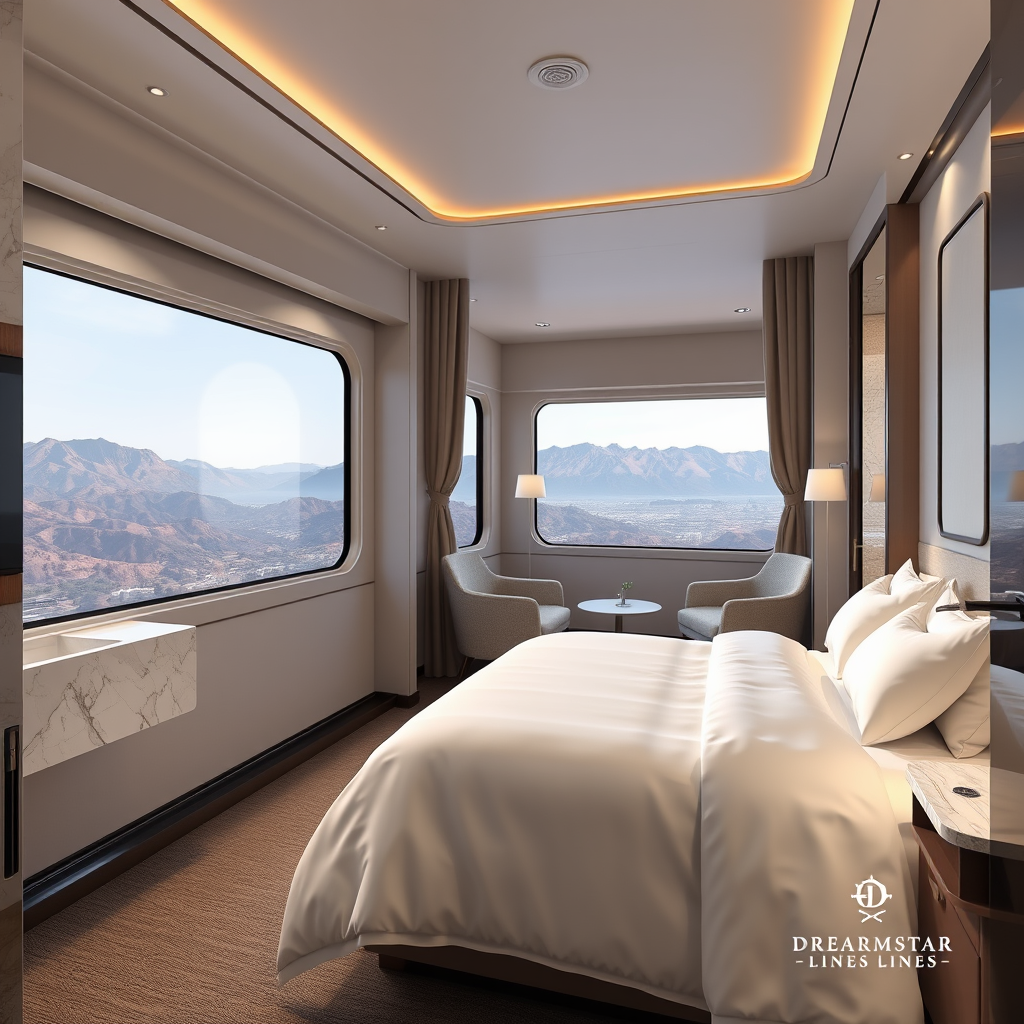
The following article explores the burgeoning luxury overnight rail travel market and examines the strategic partnership between Dreamstar Lines and Designworks, a BMW Group company, to revolutionize passenger rail experiences. The collaboration focuses on the design and development of retrofitted passenger rail cars for Dreamstar’s inaugural Los Angeles to San Francisco route. This project is significant within the broader context of the increasing investment in and modernization of US rail infrastructure, reflecting a growing demand for comfortable and convenient long-distance travel alternatives. We will analyze Dreamstar’s ambitious vision, its target market, and the implications of this partnership for the future of luxury rail travel in the United States. The article also touches upon the wider landscape of rail modernization efforts, drawing parallels with similar initiatives from other US rail operators.
Luxury Redefined: Dreamstar Lines and the Pursuit of High-End Rail Travel
Dreamstar Lines is poised to disrupt the traditional long-distance travel landscape with its innovative approach to luxury overnight rail service. Targeting business travelers, families, and tourists seeking a superior alternative to air or road travel, Dreamstar envisions a journey that seamlessly blends the comfort of a luxury hotel with the scenic beauty of rail travel. This ambitious project hinges on the creation of a high-end passenger experience, from the moment passengers board at central train stations to their arrival at their destination. The company’s focus on creating “delight” for its passengers underscores its commitment to exceptional service and a memorable travel experience.
Designworks’ Role: Shaping the Future of Luxury Rail Cars
The partnership with Designworks, renowned for its automotive design expertise, is crucial to realizing Dreamstar’s vision. Designworks’ mandate encompasses both interior and exterior design of the retrofitted passenger cars. The interiors will feature first-class suites equipped with private bedrooms and en-suite restrooms, standard class accommodations with similar amenities, and a luxurious lounge car offering a bar and comfortable seating areas. The design’s emphasis on a seamless blend of comfort and elegance reflects Dreamstar’s commitment to providing passengers with an unforgettable journey. The exterior design will aim to complement the luxurious interiors and create a visually striking and modern presence for the Dreamstar fleet.
Market Positioning and Competitive Landscape
Dreamstar’s entry into the luxury rail market is timely, coinciding with increased investment in US rail infrastructure and a growing demand for comfortable long-distance travel options. While competing with established carriers like Amtrak, Dreamstar differentiates itself through its targeted focus on luxury and exceptional service. The company’s success will depend on its ability to attract a discerning clientele willing to pay a premium for a superior travel experience. Recent funding announcements, such as the $300 million secured by Amtrak and its partners from the Federal Railroad Administration’s Consolidated Rail Infrastructure and Safety Improvements (CRISI) program, and the Brightline West project’s selection of Siemens Mobility as a rolling stock supplier, highlight the broader trend of rail modernization and expansion in the US, creating a favorable environment for Dreamstar’s entry into the market.
Technological and Sustainability Considerations
While the article does not explicitly detail Dreamstar’s technological specifications, the broader context suggests the potential incorporation of modern train control systems and sustainable technologies. The mention of centralized train control systems (CTCS) and electric locomotives indicates a focus on safety and environmental responsibility. Future development could see Dreamstar incorporating advanced technologies like onboard Wi-Fi, entertainment systems, and possibly even autonomous train features to further enhance the passenger experience and improve operational efficiency. The integration of environmentally conscious technologies is likely to become increasingly important for rail companies seeking to attract environmentally conscious travelers.
Conclusion
Dreamstar Lines’ ambitious venture into the luxury overnight rail market represents a significant development in the US transportation sector. The collaboration with Designworks signifies a commitment to creating a truly exceptional passenger experience, setting a new standard for luxury rail travel. By focusing on comfort, elegance, and superior service, Dreamstar aims to capture a segment of the travel market seeking a compelling alternative to air and road travel. The project’s success will depend on several factors, including the successful execution of the design and retrofitting of the rolling stock, effective marketing and branding, and the ability to attract and retain a high-end clientele. The broader context of increased investment in US rail infrastructure and technological advancements in the rail industry creates a favorable environment for Dreamstar’s entry into the market. The company’s focus on sustainable practices and the integration of modern technologies promises a future of efficient and environmentally conscious luxury rail travel, creating a truly transformative experience for passengers. The success of Dreamstar Lines will not only contribute to the revitalization of rail travel in the US but also serve as a benchmark for future luxury rail initiatives globally. The project will be closely observed by industry professionals and potential investors as a test case for the growth and evolution of the luxury rail sector.
RELATED POSTS
Union Pacific earned an 80% top Class I railroad intermodal...

March 6, 2026 12:10 pm
Consortium Announces Digital Services Platform for UK Rail Sector A...

March 5, 2026 7:57 pm
Banedanmark launched battery train operations on Denmark's 67 km Skjern–Holstebro...
March 5, 2026 4:23 am
Renfe suspends Spain rail services on Madrid-Andalusia corridor until February...

March 4, 2026 10:12 am
Amtrak and Siemens deploy 8 Airo trains for the U.S....
March 6, 2026 4:07 pm
Digital Subscription Market Analysis Q1 2026 Analytics firm Antenna confirmed...