
Luxembourg’s GSM-R Success: A Railway Modernization Case Study
Luxembourg’s complete GSM-R network, implemented by Kapsch CarrierCom, ensures seamless cross-border rail operations. Discover how this model project boosts safety and efficiency!
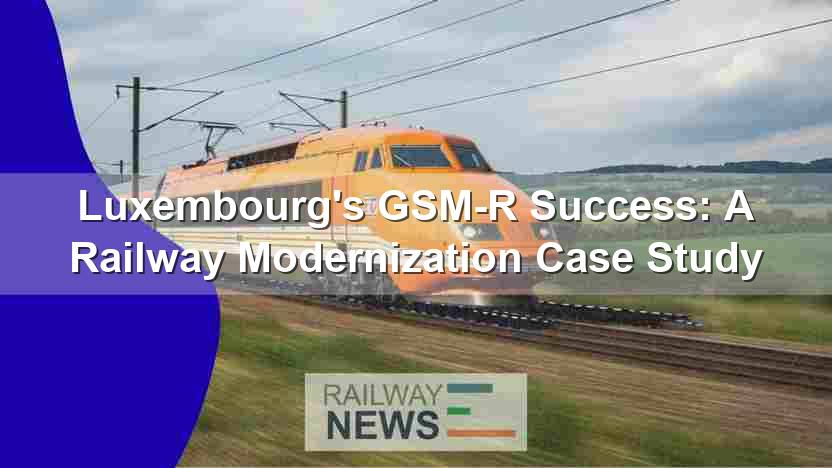
This article examines the recent completion of the Global System for Mobile Communications – Railway (GSM-R) network implementation across Luxembourg’s railway network by Kapsch CarrierCom. The project, spanning three years, represents a significant milestone in enhancing railway safety and efficiency in Luxembourg and contributes to broader European railway interoperability. We will explore the technical aspects of the deployment, the strategic significance of achieving complete GSM-R coverage in the Benelux region, and the implications for future railway communication technologies. The successful implementation in Luxembourg showcases a model for other nations seeking to modernize their railway communication infrastructure, highlighting the benefits of a standardized, reliable, and secure system. We will further analyze the role of Kapsch CarrierCom, its technological solutions, and the long-term maintenance contract secured with the Société Nationale des Chemins de Fer Luxembourgeois (CFL – Luxembourg National Railway Company). This case study provides valuable insights into the practical challenges and rewards of implementing large-scale railway communication upgrades and sheds light on the future direction of railway communication systems.
GSM-R Network Implementation: A Technical Overview
The implementation involved deploying Kapsch CarrierCom’s all-IP solution, RDN.core, based on 3GPP (3rd Generation Partnership Project) Release 4 technology, across Luxembourg’s 271 km railway network. This all-IP solution provides a robust and scalable foundation for reliable communication. The RDN.core system is designed to provide high availability and resilience, critical for uninterrupted railway operations. The deployment addressed the need for a secure and reliable communication system encompassing all railway operational staff, including train drivers, station controllers, and dispatchers, significantly improving communication efficiency and safety.
Strategic Significance and European Interoperability
The completion of this project marks a significant step toward standardizing railway communication across Europe. By eliminating the remaining “white spot” in GSM-R coverage within the Benelux countries, the Luxembourg deployment contributes to seamless cross-border communication and interoperability. This enhanced communication significantly improves the efficiency and safety of railway traffic across national borders, facilitating smoother operations and reducing delays caused by communication breakdowns.
Kapsch CarrierCom’s Role and Future Outlook
Kapsch CarrierCom’s selection for this project following a Europe-wide tender underscores their expertise in providing end-to-end telecommunications solutions for mission-critical networks. Their commitment to long-term maintenance of the system until 2021 demonstrates a dedication to ensuring the continued reliability and performance of the GSM-R network. Additionally, Kapsch CarrierCom’s ongoing exploration of Public Safety LTE (PS-LTE) and next-generation railway communication networks positions them as a key player in shaping the future of railway communication technologies.
The CFL’s Modernization Strategy
The CFL’s decision to invest in a modernized GSM-R network reflects a commitment to improving operational efficiency, safety, and passenger experience. This investment not only enhances the immediate operational capabilities but also creates a robust foundation for future technological advancements in railway communication and control systems. The strategic partnership with Kapsch CarrierCom ensures that the CFL benefits from the latest technology and expertise in the field. The long-term maintenance agreement provides a stable environment for sustained system performance, minimizing operational disruptions and maximizing return on investment.
Conclusions
The successful implementation of the GSM-R network in Luxembourg by Kapsch CarrierCom represents a significant achievement in modernizing railway communication infrastructure. The project’s completion eliminated the last GSM-R coverage gap in the Benelux region, facilitating enhanced cross-border railway interoperability and boosting overall efficiency and safety. The adoption of Kapsch CarrierCom’s RDN.core, an all-IP solution based on 3GPP Release 4 technology, underlines the importance of standardized, secure, and reliable communication systems in contemporary railway operations. This success story showcases a model for other countries aiming to upgrade their railway networks. The long-term maintenance contract underscores the commitment to sustained performance and continuous improvement. Beyond the immediate benefits, the project lays a strong foundation for future advancements in railway communication, such as PS-LTE and the next generation of railway communication networks, highlighting the dynamic nature of the rail telecommunications industry and its continuous pursuit of technological innovation to meet evolving needs and maintain operational excellence. The CFL’s strategic investment signals a forward-looking approach to railway modernization, prioritizing safety, efficiency, and passenger satisfaction.

Railway infrastructure, rolling stock and transport technologies specialist focused on global rail industry developments, high-speed rail systems, signaling technologies and freight transportation. Covering railway investments, public transport modernization, rail operations and international mobility projects across Europe, Asia and North America.
RELATED POSTS
September 6, 2026 5:19 am
Hitachi delivered Taiwan's first N700ST high-speed train from Japan in...

September 5, 2026 4:19 pm
CPK launched formal tender talks with four consortia to design...

September 6, 2026 4:12 am
Alstom delivered the first of 100 new G Class trams...

September 5, 2026 7:14 pm
HS2 Ltd signed renegotiated civils contracts with EKFB and Align...
September 6, 2026 1:17 am
Hitachi Toshiba Supreme Consortium confirmed the first of 12 N700ST...
September 6, 2026 6:17 am
Hungary ordered a national ban on most freight trains from...