
L&T Builds India’s High-Speed RRTS

This article delves into the significant contribution of Larsen & Toubro (L&T) Construction to the development of India’s Regional Rapid Transit System (RRTS) in the Delhi-Ghaziabad-Meerut corridor. The project represents a crucial step towards modernizing India’s transportation infrastructure, focusing on high-speed, long-distance travel between major urban centers. We will examine the specifics of L&T’s involvement, the technological advancements embodied in the RRTS, the broader economic implications of this project for India, and finally, analyze the long-term impact on urban planning and passenger mobility within the National Capital Region (NCR). This analysis will consider not only the immediate construction contracts but also the larger context of India’s commitment to improving its rail network and its integration with national development strategies.
L&T’s Role in RRTS Development
Larsen & Toubro (L&T) Construction, a prominent player in India’s infrastructure sector, secured two substantial contracts from the National Capital Region Transport Corporation (NCRTC) for the construction of elevated sections of the Delhi-Meerut RRTS. These contracts encompass the construction of the elevated sections between Duhai and Modi Nagar, and Modi Nagar and Shatabdi Nagar, covering a substantial portion of the 32km stretch encompassing seven elevated stations. This demonstrates L&T’s capability in undertaking large-scale, complex infrastructure projects and underscores its commitment to advanced rapid transit solutions. The project showcases L&T’s expertise in delivering high-speed rail infrastructure, emphasizing its commitment to aiding India’s rapid transportation infrastructure development.
Technological Advancements in the RRTS
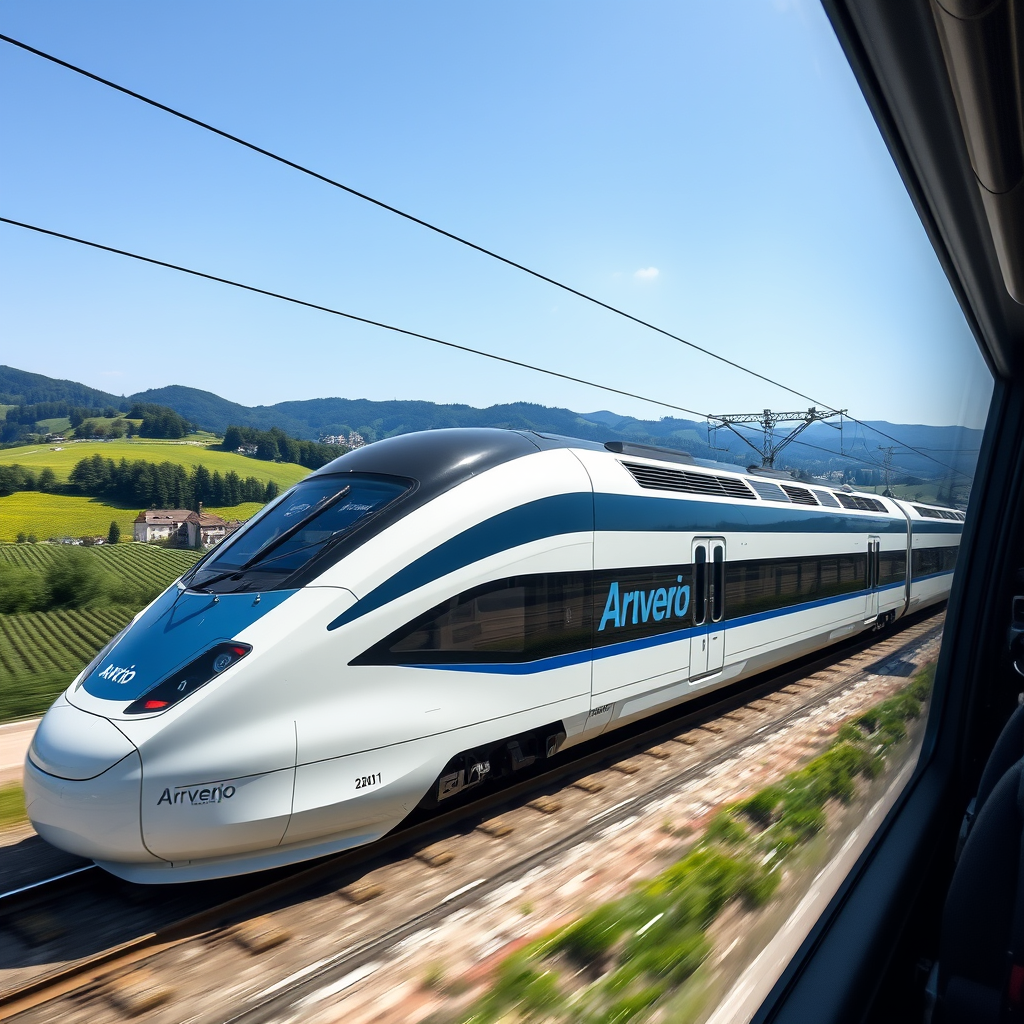
The Delhi-Meerut RRTS is a significant departure from traditional metro systems. Designed for high-speed intercity travel with fewer stops, it aims to provide faster transit between major population centers. The project boasts a design speed of 180 km/h and an average operational speed of 100 km/h – substantially higher than typical metro systems. This necessitates the implementation of advanced signaling systems, track technologies, and rolling stock (trains) capable of handling these speeds. The project’s emphasis on speed and efficiency highlights India’s forward-looking approach to urban transportation planning and its ambition to adopt global best practices in rail technology.
Economic Implications and Funding
The RRTS project represents a significant investment in India’s infrastructure, attracting substantial funding from both domestic and international sources. The Asian Development Bank (ADB) has provided crucial financial backing, highlighting the project’s importance to regional development and its alignment with international development goals. The project also creates numerous employment opportunities during the construction phase and beyond, stimulating economic growth in the NCR and surrounding areas. Furthermore, the project’s completion is expected to significantly reduce travel times, boosting economic activity and improving connectivity between cities, thereby indirectly contributing to a more vibrant and efficient economy.
Urban Planning and Passenger Mobility
The successful implementation of the Delhi-Meerut RRTS will have far-reaching consequences for urban planning and passenger mobility in the NCR. The high-speed rail network will offer a viable alternative to road travel, reducing congestion on highways and promoting more sustainable transportation choices. The strategic location of stations will encourage urban development along the corridor, transforming previously underserved areas and offering improved access to employment, education, and healthcare facilities for residents of the region. This integration of transportation infrastructure with urban development strategies is key to creating efficient and livable cities within the NCR.
Conclusions
The L&T Construction’s involvement in building the Delhi-Meerut RRTS signifies a pivotal moment in India’s journey towards modernizing its transportation infrastructure. The project’s ambitious design speed and focus on high-capacity transit demonstrate a commitment to adopting cutting-edge rail technologies. The securing of contracts by L&T highlights the company’s expertise and capacity to deliver complex large-scale infrastructure projects. The significant financial investment, both domestic and international, underscores the importance of the project to India’s economic development and its integration into global development strategies. Beyond the immediate construction, the RRTS’s impact on urban planning and passenger mobility will be transformative. It promises to alleviate traffic congestion, improve connectivity between major cities, stimulate economic growth along the corridor, and ultimately enhance the quality of life for millions of people in the NCR. The project serves as a model for future high-speed rail development across India, offering lessons in technological advancements, financial planning, and integrated urban development strategies. The success of this project will have a ripple effect, inspiring similar initiatives nationwide and cementing India’s position as a leader in sustainable and high-speed rail transportation.
RELATED POSTS
April 30, 2025 6:13 pm
This article examines the recent acquisition of Go-Ahead Germany by...
April 21, 2019 12:09 am
Canada's Rail Safety Improvement Program is upgrading infrastructure and deploying...

June 18, 2025 11:01 am
Watco gets $600M investment, boosting rail operations and expanding its...
June 2, 2017 12:44 pm
"Big news for rail professionals! The **Toronto to Windsor** high-speed...

October 3, 2011 6:35 pm
Morocco has begun construction on a high-speed rail link, which...

August 13, 2025 2:33 am
US tariffs are straining rail imports, increasing costs and congestion...