
London Underground’s Tech Upgrade: A Multi-Million Pound Investment
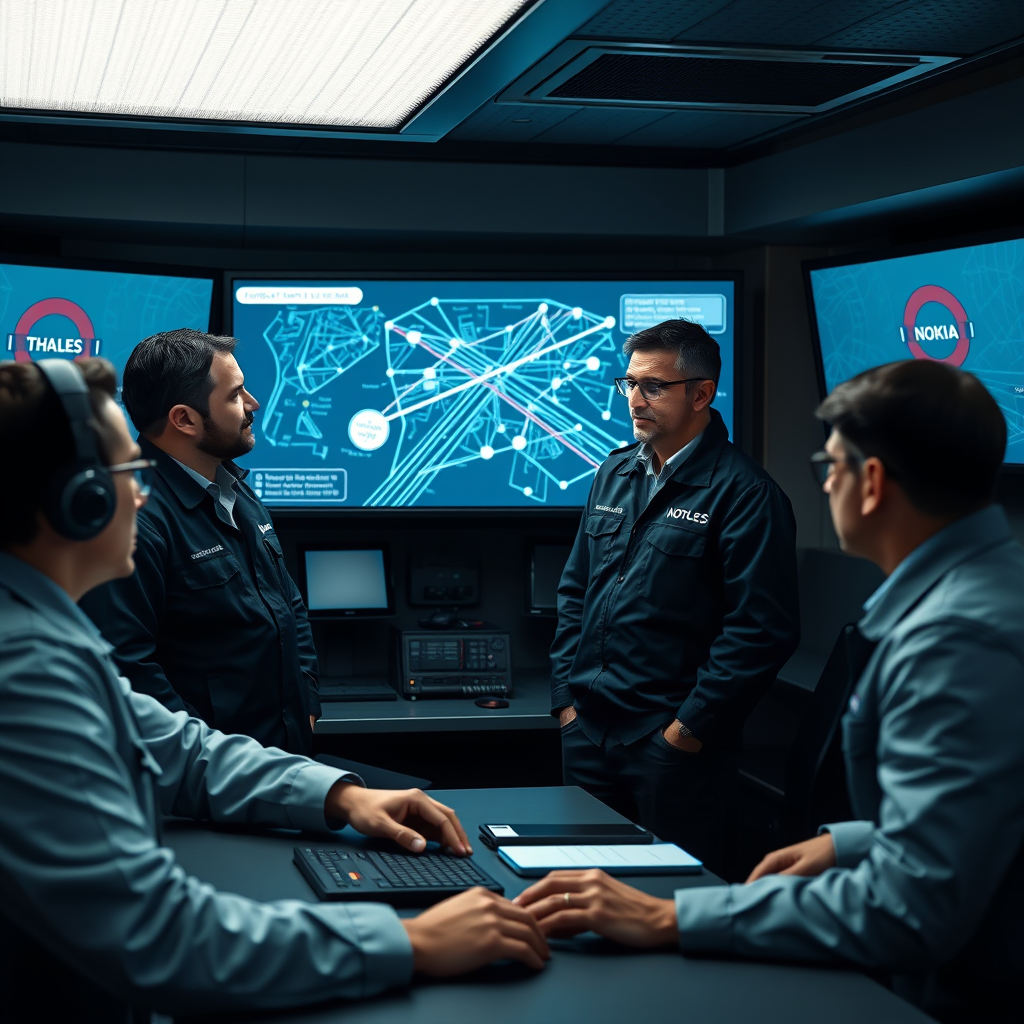
The Critical Role of Communication Network Modernization in London’s Underground
This article explores the crucial undertaking by Transport for London (TfL) to modernize its aging communications infrastructure on the London Underground. The existing multi-services network (MSN), installed between 1999 and 2019 under a Private Finance Initiative (PFI) contract with Thales, has reached the end of its effective lifespan. This necessitates a comprehensive renewal project to ensure the continued safe, efficient, and reliable operation of the Tube network, and to meet the increasing demands of a growing passenger base and evolving technological landscape. The renewal, a multi-million-pound investment, is not merely a replacement of outdated components; it represents a strategic shift towards a more robust, scalable, and cost-effective communication system capable of supporting future expansion and technological innovations within the London Underground’s Intelligent Transportation Systems (ITS). This renewal underscores the significant role that reliable communication plays in the safe and efficient operation of modern mass transit systems, impacting everything from passenger safety and information dissemination to real-time train control and network management.
The Aging Infrastructure and the Need for Renewal
The London Underground’s communication system, primarily the MSN, has been operating since 1999. Two decades of continuous use have inevitably led to component degradation, technological obsolescence, and increased maintenance requirements. While Thales has provided ongoing upgrades and maintenance since TfL assumed ownership in 2019, a comprehensive overhaul is essential to address the inherent limitations of the aging system. The system supports critical functions including radio communications for train operations and staff, CCTV surveillance for security and safety, and data transmission for various control systems. The renewal project aims to replace aging hardware, upgrade software, and enhance network capacity to ensure continued reliability and performance. Delaying this critical upgrade risks increased operational disruptions, safety compromises, and escalating maintenance costs.
The Thales and Nokia Partnership: A Synergistic Approach
TfL’s strategic decision to partner with Thales and Nokia leverages the expertise of two industry leaders in telecommunications and railway systems. Thales, already deeply involved in the existing infrastructure through its long-standing relationship with TfL, provides invaluable domain knowledge and experience in the complexities of the Underground’s communication network. Their deep understanding of the existing system allows for a more efficient and less disruptive upgrade process. Nokia, a global leader in telecommunications technology, brings its cutting-edge expertise in network design, implementation, and management. This collaboration combines the benefits of established expertise and innovative technologies, ensuring a solution that is both optimized for the existing infrastructure and prepared for future technological advances within the ITS environment.
Minimizing Disruption: A Logistical Challenge
The logistical complexities of renewing a critical communications network within a heavily used, operational underground system are substantial. The project’s timeframe, slated for 2025-2027, reflects the need to minimize disruption to passenger services. Work will primarily be conducted during overnight closures, demanding meticulous planning, efficient execution, and precise coordination between the contractors, TfL staff, and other stakeholders. The phased approach, prioritizing critical components and minimizing overall downtime, is a testament to the meticulous planning necessary to mitigate disruption during this essential modernization.
Conclusion: Securing the Future of London’s Underground Communications
The TfL contract awarded to Thales and Nokia signifies a crucial investment in the future of London’s Underground. The modernization of the multi-services network (MSN) represents far more than a simple equipment upgrade; it’s a strategic move to enhance safety, efficiency, and reliability across the entire transport system. The project addresses the limitations of aging technology, mitigating the risks of escalating maintenance costs and service disruptions. The partnership between Thales, with its deep understanding of the existing infrastructure, and Nokia, with its expertise in cutting-edge telecommunications, guarantees a solution optimized for both present and future needs. The project’s phased implementation, focusing on minimizing disruption during overnight closures, highlights the high level of planning and execution required for such a significant undertaking. The successful completion of this project will solidify London’s Underground as a world-leading example of a modern, efficient, and technologically advanced mass transit system, setting a benchmark for other global transit authorities facing similar infrastructure challenges. The investment in advanced communication systems is not just an expenditure but a strategic investment that safeguards operational efficiency, enhances passenger experience, and paves the way for future growth and innovation within the London Underground’s ITS. This initiative underscores the critical dependence of modern railway systems on robust and reliable communication networks, emphasizing their role in ensuring safe, efficient, and sustainable operation.
RELATED POSTS

Union Pacific earned an 80% top Class I railroad intermodal...

March 6, 2026 12:10 pm
Consortium Announces Digital Services Platform for UK Rail Sector A...

March 5, 2026 7:57 pm
Banedanmark launched battery train operations on Denmark's 67 km Skjern–Holstebro...

March 4, 2026 10:12 am
Amtrak and Siemens deploy 8 Airo trains for the U.S....

March 5, 2026 4:23 am
Renfe suspends Spain rail services on Madrid-Andalusia corridor until February...
March 6, 2026 4:07 pm
Digital Subscription Market Analysis Q1 2026 Analytics firm Antenna confirmed...