
London Underground: Thales CBTC – Capacity Boost
London Underground’s CBTC signaling upgrade is revolutionizing the network! Experience enhanced capacity, reliability, and passenger satisfaction – a future-proof system for a world-leading railway.
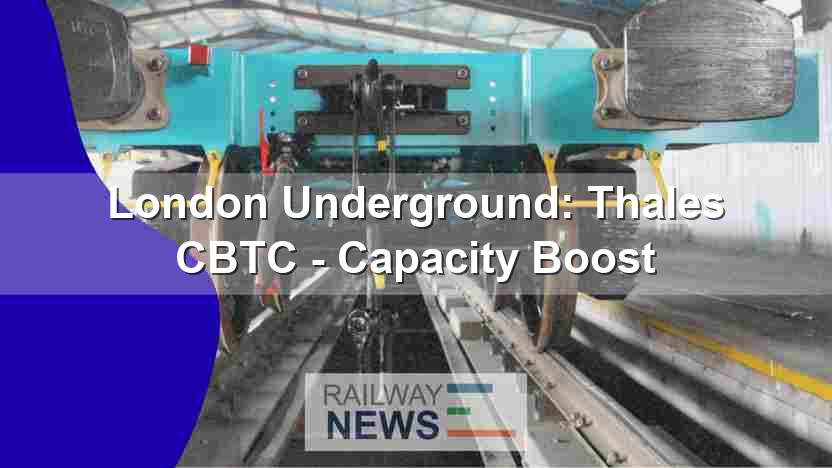
This article explores the significant upgrade underway on the London Underground (LU) network, focusing on the implementation of a new Communications-Based Train Control (CBTC) signalling system. The transition from older, less efficient signalling technology to CBTC represents a substantial investment aimed at improving reliability, increasing capacity, and enhancing the overall passenger experience. This modernization initiative, primarily affecting the Circle, District, Hammersmith & City, and Metropolitan lines, will ultimately transform how trains are managed and controlled across a significant portion of the LU network. The project, encompassing extensive testing phases and gradual rollout across multiple sections of the lines, is a complex undertaking requiring meticulous planning, coordinated execution, and significant collaboration between Transport for London (TfL), Thales (the system provider), and various other stakeholders. The successful implementation of this technology will not only enhance the immediate operational performance of the affected lines but also serve as a blueprint for future upgrades across the wider LU network.
Testing and Initial Deployment
Transport for London (TfL) recently completed a crucial phase of testing for the new Thales CBTC system. This testing encompassed a significant section of the network, running from Hammersmith to both Euston Square and Paddington, and significantly included the complex Baker Street junction. This rigorous testing, conducted from the Hammersmith Service Control Centre, validated the system’s performance under various operational conditions. The initial live deployment of the CBTC system is scheduled to begin on the section between Hammersmith and Edgware Road in 2021, marking a key milestone in this significant modernization project. This phased rollout approach mitigates risk and allows for continuous monitoring and adjustment as the system is integrated into the live operational environment.
Enhanced Operational Efficiency and Capacity
The core benefit of the CBTC system lies in its ability to significantly improve operational efficiency and capacity. The precise train location tracking and automated control features of CBTC enable shorter headways (the time interval between trains), resulting in a marked increase in train frequency. The target for the central London section is an impressive 32 trains per hour, representing a one-third increase in overall capacity across the four lines. This translates to shorter waiting times for passengers and a more efficient utilization of the existing infrastructure. Additionally, the improved real-time data provided by the system will allow for more accurate passenger information displays, contributing to a smoother and more informed passenger journey.
Benefits Beyond Increased Capacity
The advantages of CBTC extend beyond increased capacity. The improved reliability inherent in the system will reduce delays and disruptions, ultimately leading to a more predictable and reliable service for passengers. The system’s advanced features also contribute to enhanced safety through automated train protection and monitoring capabilities. The improved efficiency and reliability directly support TfL’s broader strategic goals of creating a greener, healthier city, by facilitating faster and more frequent services that reduce overall journey times and encourage the use of public transport over private vehicles. The project aligns with the Mayor’s vision for a more sustainable and efficient transportation network.
Future Rollout and Network-Wide Implications
The phased rollout of the CBTC system will continue over the coming years, with plans to complete the upgrade across all four lines by 2023. Future testing will involve the eight-car S-stock trains used on the Metropolitan line, ensuring compatibility across all train types operating on these lines. The successful implementation of CBTC on these lines serves as a significant proof-of-concept for future upgrades across the wider LU network. The lessons learned and the operational experience gained during this project will inform future modernization efforts, potentially accelerating the adoption of CBTC technology on other lines and ultimately transforming the entire London Underground experience for millions of passengers.
Conclusion
The implementation of the Thales CBTC signalling system on the Circle, District, Hammersmith & City, and Metropolitan lines marks a pivotal moment in the modernization of the London Underground. The successful completion of initial testing phases and the planned phased rollout represent a significant step towards a more efficient, reliable, and passenger-centric rail network. The project’s anticipated benefits, including increased capacity (a projected 32 trains per hour in central London), reduced journey times, improved reliability, and enhanced passenger information, will significantly benefit millions of Londoners daily. The gradual deployment strategy, coupled with ongoing monitoring and evaluation, will ensure a smooth transition to the new system, minimizing disruption and maximizing the benefits for passengers. This project stands as a compelling example of a large-scale infrastructure upgrade that not only improves immediate performance but also sets the stage for broader technological advancements across the entire London Underground network, ensuring it remains a world-leading example of efficient and reliable urban transit.

Railway infrastructure, rolling stock and transport technologies specialist focused on global rail industry developments, high-speed rail systems, signaling technologies and freight transportation. Covering railway investments, public transport modernization, rail operations and international mobility projects across Europe, Asia and North America.
RELATED POSTS

October 1, 2026 7:09 am
United States regulators confirmed a September 30 deadline for the...

October 8, 2026 1:15 pm
Alstom secured a €1bn contract to build 13 automated trains,...

October 4, 2026 5:14 pm
Alstom secured a CA$4.7 billion order from VIA Rail Canada...

October 1, 2026 12:13 am
Illinois approved $1.5 billion annually for the Northern Illinois Transit...

October 6, 2026 2:14 am
Union Pacific launched export rail shipments with Ferromex to deliver...

October 1, 2026 6:10 am
Amtrak approved a System Expansion Committee on July 30 to...