
Lodz Rail Tunnel: Poland’s High-Speed Rail Leap
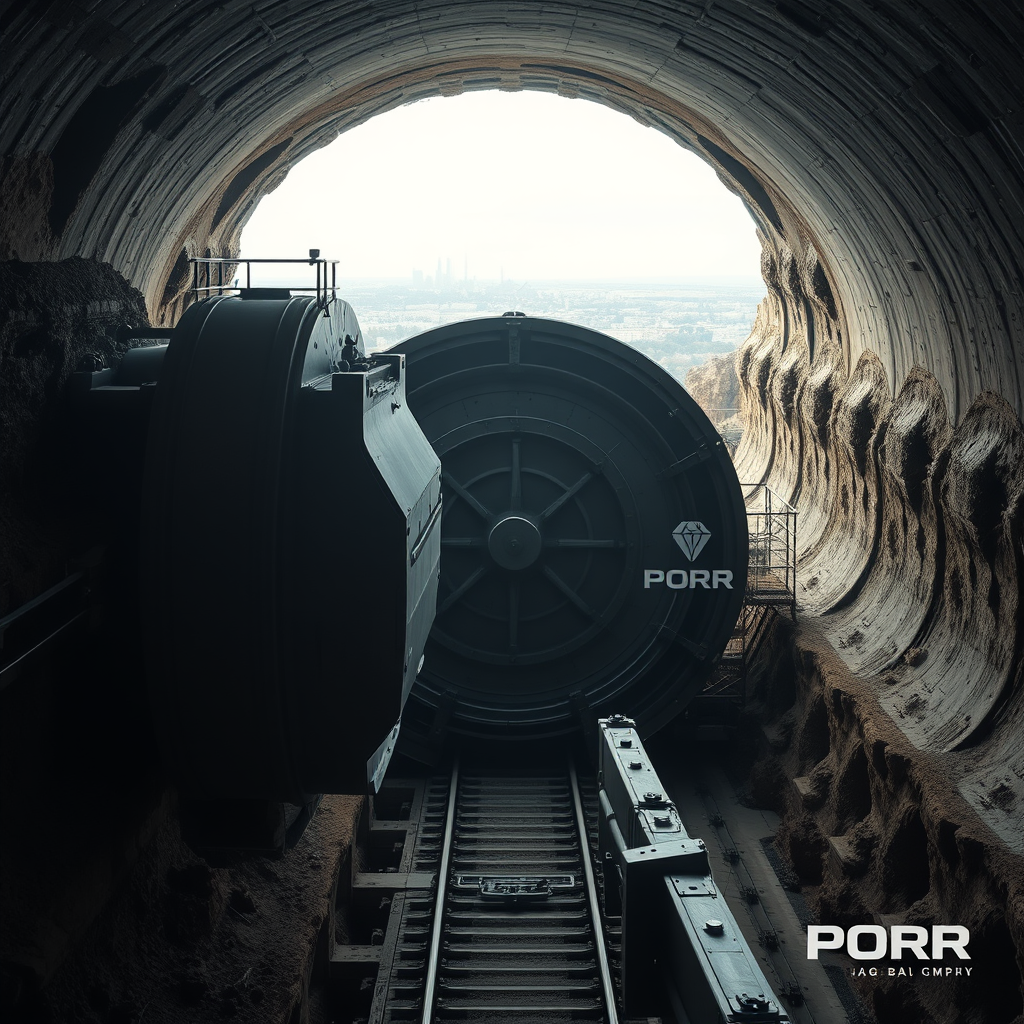
The Łódź Railway Tunnel Project: A Case Study in High-Speed Rail Infrastructure Development in Poland
This article examines the significant undertaking of constructing a 4.6km railway tunnel in Łódź, Poland, a crucial component of the Centralny Port Komunikacyjny (CPK) (Central Communication Port) project. The project, with a budget of 2.8 billion złoty ($684.4 million USD), represents Poland’s largest construction tender to date and underscores the nation’s commitment to modernizing its high-speed rail network. The selection process, the technical challenges involved, and the broader implications for Poland’s transportation infrastructure will be analyzed, focusing on the successful bidding process, the innovative engineering required for this ambitious project, and its potential to significantly reduce travel times and enhance connectivity within the country. This analysis will delve into the specifics of the bidding process, highlighting the key players involved and the technical considerations driving the decision-making, ultimately demonstrating the complexities and strategic importance of such large-scale infrastructure projects. This project highlights Poland’s commitment to improving its national infrastructure network for both domestic and international connectivity.
The Bidding Process and Contractor Selection
Five consortiums submitted bids for the construction of the Łódź tunnel, ranging from 2.16 billion to 2.79 billion złoty. The evaluation process prioritized price (70%) and contractor qualifications (30%), reflecting a balance between cost-effectiveness and project expertise. The winning bidder, PORR (PORR AG) and PORR Bau GmbH, submitted the lowest bid of 2.16 billion złoty. Other notable bidders included Gulermak and China Harbour Engineering, NDI with Dogus Insaat Ve Ticaret, and a joint bid from TORPOL and MIRBUD. The rigorous selection process ensured the choice of a contractor capable of delivering a high-quality project within the stipulated timeframe and budget. This competitive bidding process highlights the transparency and efficiency of the Polish procurement system for major infrastructure projects. The significant difference between the highest and lowest bids shows the competitive landscape and the potential for cost savings through effective procurement strategies.
Engineering Challenges and Technical Specifications
The Łódź tunnel presents significant engineering challenges. As the longest single-section tunnel constructed using the Tunnel Boring Machine (TBM) method in Poland, its construction requires precise geotechnical analysis and robust structural design to ensure stability and safety. The tunnel’s large diameter further complicates the construction process. The project’s timeline, with drilling commencing in Q4 2026 and completion expected by Q3 2028, is ambitious but reflects the government’s commitment to meeting its infrastructure development goals. The utilization of the TBM method, whilst presenting challenges related to ground conditions and the precise control required for a large-diameter bore, offers advantages in efficiency and minimizing surface disruption compared to traditional cut-and-cover methods. The project necessitates a detailed understanding of the subsurface geology along the tunnel alignment and the selection of appropriate tunnel lining materials and construction techniques to ensure long-term stability and durability.
Strategic Importance and National Connectivity
The Łódź tunnel is a key component of the “Y” line high-speed railway connecting Warsaw, Wrocław, and Poznań. Its completion will significantly improve travel times between these major cities. The project aligns with the “100 Minutes Poland” initiative, aiming to reduce travel times across the country. This reduced travel time, estimated at approximately 40 minutes between Warsaw and Łódź, will significantly boost economic activity and regional integration, making the project strategically important for Poland’s overall economic development. The improved connectivity will enhance the attractiveness of Poland as a location for investment and will contribute to the overall growth and prosperity of the nation.
Safety and Environmental Considerations
The Polish government has emphasized the importance of safety and environmental sustainability throughout the project. The commitment to adhering to the highest technical standards is paramount. Minimizing disruption to residents during construction and mitigating any potential environmental impact are key considerations. This commitment to responsible development underlines the importance of balancing economic progress with environmental protection and public well-being. Future assessments of the project’s environmental impact, including noise pollution and potential disruption to local ecosystems, will be essential for evaluating its long-term sustainability. The careful planning and execution of the project demonstrate the government’s focus on building a modern railway network that is both efficient and environmentally responsible.
Conclusions
The Łódź railway tunnel project represents a significant milestone in Poland’s high-speed rail infrastructure development. The successful bidding process, involving a competitive selection of experienced contractors, underlines the transparency and efficiency of the Polish procurement system. The ambitious engineering challenges associated with constructing the longest single-section tunnel built using the TBM method in Poland highlight the technical expertise and innovation required for such large-scale projects. The project’s strategic importance in enhancing national connectivity and promoting economic growth aligns perfectly with Poland’s broader infrastructure development goals, especially the “100 Minutes Poland” initiative. The government’s emphasis on safety and environmental considerations during the construction phase underlines a commitment to responsible development. The completion of this project in 2028 will mark a considerable step forward in improving Poland’s transportation infrastructure, fostering economic development, and enhancing the overall quality of life for its citizens. The careful planning, transparent bidding process, and commitment to high technical standards provide a valuable model for future large-scale infrastructure projects, both in Poland and internationally. The successful implementation of this project will serve as a benchmark for future high-speed rail initiatives in the region and beyond. The project’s impact will extend far beyond simply connecting major cities; it will act as a catalyst for regional growth, stimulating economic activity and enhancing Poland’s position in the broader European transportation network.