
Lisbon Metro’s €134M Upgrade: New Stadler Trains
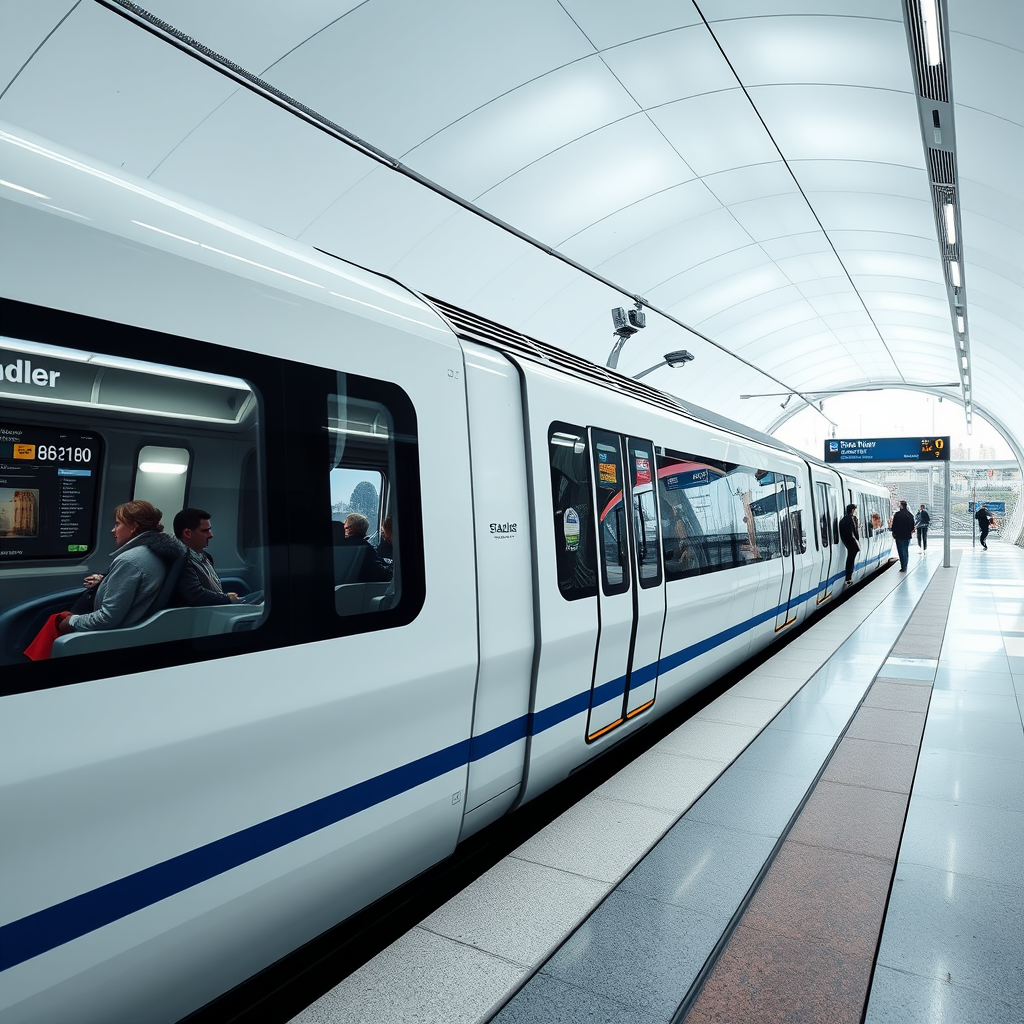
The Modernization of Lisbon’s Metro System: A Case Study in Rolling Stock Procurement
This article examines the recent €134 million contract awarded to Stadler by Metropolitano de Lisboa (ML) for the supply of 24 new three-car metro trains. This significant investment underscores a broader trend in urban transit systems globally: the continuous need for modernization and capacity expansion to meet growing passenger demand and enhance overall service quality. The Lisbon Metro contract, representing Stadler’s second major agreement with ML, allows for a detailed analysis of the factors driving such procurements, the technological specifications of modern rolling stock, and the broader implications for urban mobility strategies. We will delve into the specifics of the new train design, its impact on passenger experience, and the strategic considerations behind ML’s decision to once again partner with Stadler. Finally, we will discuss the broader context of this contract within the global railway industry, highlighting similar modernization projects and their underlying motivations.
State-of-the-Art Rolling Stock for Lisbon’s Circular Line
The 24 new trains, each measuring 49.6 meters in length, represent a substantial upgrade to Lisbon’s existing fleet. Their design prioritizes passenger comfort and accessibility. Key features include large windows for enhanced visibility, a spacious and well-lit interior, and a modern passenger information system with large monitors. Nine double doors per side ensure efficient passenger flow, minimizing dwell times at stations. The emphasis on barrier-free access underscores ML’s commitment to inclusivity and accessibility for all passengers. These improvements aim to significantly enhance the overall travel experience on the Circular Line, where these new vehicles will primarily operate. The adoption of modern, lightweight materials also contributes to reduced energy consumption and lower operating costs.
Technological Advancements and Enhanced Safety Features
Beyond passenger comfort, the new trains incorporate advanced technologies to improve safety and operational efficiency. A comprehensive video surveillance system enhances security, while the modern passenger information system ensures clear and timely communication. These features, coupled with the improved accessibility features, contribute to a safer and more comfortable journey for all passengers. Furthermore, the trains likely incorporate advanced train control and management systems (TCMS) which improve operational reliability and efficiency. The integration of these technologies aligns with global trends in intelligent transportation systems (ITS), reflecting a move towards smarter, more interconnected railway networks.
Strategic Partnerships and Modernization Initiatives
The contract represents a strategic partnership between Stadler and ML, building on a previous agreement signed in 2021. This repeated collaboration underscores Stadler’s proven track record in delivering high-quality rolling stock and ML’s confidence in their ability to meet the demands of the Lisbon Metro’s modernization program. This decision reflects a broader trend in the railway industry towards long-term partnerships, focusing on building strong relationships with reliable suppliers who can provide consistent support throughout the lifecycle of the rolling stock. The procurement strategy also highlights the growing importance of public-private partnerships in funding and executing large-scale infrastructure projects.
Conclusions: A Blueprint for Urban Transit Modernization
The €134 million contract awarded to Stadler for the supply of 24 new metro trains to Lisbon’s Metropolitano de Lisboa signifies a crucial step in the modernization of the city’s public transport system. This project serves as a compelling case study, highlighting the key factors driving rolling stock procurement in modern urban settings: the need for increased capacity, improved passenger experience, and enhanced safety features. The specific design features of the new trains, such as their focus on accessibility, spacious interiors, and advanced information systems, underscore a commitment to providing a superior travel experience for all commuters. The repeated collaboration between Stadler and ML illustrates the importance of strategic partnerships in successfully executing large-scale infrastructure projects and reinforces the benefits of collaborative approaches to urban transit modernization. The success of this project will likely serve as a model for other cities grappling with the challenges of upgrading and expanding their public transport networks. The integration of modern technologies, such as advanced train control systems and comprehensive video surveillance, demonstrates a commitment to both efficiency and safety, contributing to the creation of a more sustainable and reliable public transport system. Ultimately, this investment represents a significant contribution to enhancing the mobility and quality of life for Lisbon residents, demonstrating a forward-thinking approach to urban planning and the vital role of well-maintained, efficient public transport systems. The successful implementation of this project will likely set a benchmark for future urban rail modernization endeavors across Europe and beyond, emphasizing the critical importance of collaboration, innovative technology, and a focus on enhancing passenger experience. This case study underscores that the modernization of urban transit systems is not merely an exercise in upgrading infrastructure but a crucial investment in enhancing urban mobility, accessibility, and the overall quality of life within a city.
RELATED POSTS

July 30, 2022 10:51 am
Reducing Level Crossing Waiting Times: A Technological Advance This article...
November 8, 2019 4:37 pm
The modernization of railway infrastructure is crucial for enhancing passenger...
July 22, 2025 10:33 pm
Buffett denies BNSF's CSX acquisition, quashing rumors. Railway merger...
December 7, 2021 4:31 pm
Introduction The integration of digital technologies within the railway freight...
August 27, 2018 5:33 pm
Mutares' acquisition of Knorr-Bremse RailServices and Kiepe Electric reshapes the...
June 20, 2025 7:49 pm
Network Rail's SCADA upgrade, led by Telent, features remote securing...