
Lima Metro Linea 2: A Technological Marvel, Transforming Peru
Introduction
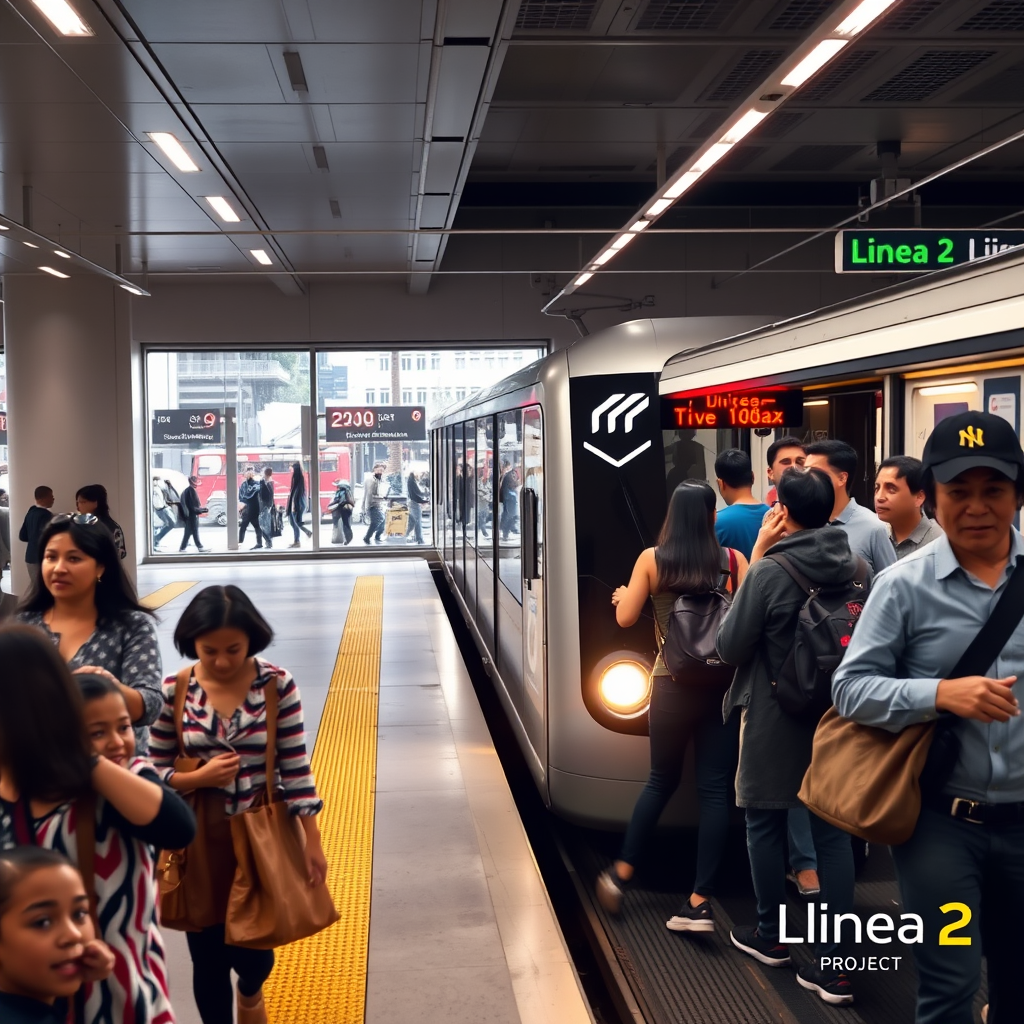
This article delves into the significant milestone achieved with the inauguration of the first phase (Stage 1A) of Lima’s Metro Linea 2, a fully automated underground railway system. The opening of this 5km stretch, encompassing five stations and projected to serve over 60,000 passengers daily, marks a substantial advancement in Peru’s public transportation infrastructure. We will examine the technical aspects of the project, its socio-economic impact on the city of Lima, the political implications of its completion, and future development plans for the Linea 2. This analysis will explore the challenges overcome during the project’s lengthy construction period, the technological advancements employed, and the long-term strategic vision for improving urban mobility within Lima and Callao. The project showcases a significant investment in modern transit solutions, highlighting the potential for similar initiatives in other rapidly developing urban centers facing similar transportation challenges. We will consider the project’s overall significance within the context of urban planning and transportation infrastructure development in Latin America.
The Linea 2 Project: A Technological Marvel
The Lima Metro Linea 2 is a testament to modern railway engineering. Its fully automated system, a hallmark of technological sophistication, employs cutting-edge signaling and control systems to ensure efficient and safe passenger transport. The use of advanced Intelligent Transportation Systems (ITS) contributes to optimal operational efficiency and real-time monitoring, enhancing passenger experience and overall system reliability. This contrasts sharply with the older, conventional public transport systems it aims to supplement, which often suffer from overcrowding, delays, and inconsistent service. The implementation of such a technologically advanced system positions Lima as a leader in adopting innovative transit solutions within Latin America.
Socio-Economic Impact and Urban Development
The Linea 2 is more than just a transportation project; it’s a catalyst for socio-economic growth. By providing rapid and efficient transit across previously underserved areas, it aims to improve the quality of life for over a million residents in ten districts of Lima and Callao once fully completed. Reduced commute times translate to increased productivity, improved access to employment opportunities, and enhanced social interaction within the metropolitan area. Moreover, the project has spurred job creation during its construction and will continue to do so through its ongoing operation and maintenance. The project exemplifies a successful integration of infrastructure development with broader urban planning strategies.
Political Will and Overcoming Construction Hurdles
The successful launch of Stage 1A is a significant political achievement, demonstrating the government’s commitment to long-term infrastructure development. The project, undertaken by an Italian/Spanish/Peruvian consortium, faced considerable challenges and delays since its inception in 2015. The statement by President Dina Boluarte emphasizing the “political will” necessary to overcome these hurdles underscores the importance of consistent political support for large-scale infrastructure projects. This success provides a crucial model for other nations grappling with similar infrastructural deficits and challenges in securing long-term funding and political commitment for complex projects.
Future Expansion and Long-Term Vision
The opening of Stage 1A is merely the first step in a larger vision. The completion of the remaining stages (1B and 2), adding more stations to the 27 planned for the entire Linea 2, will further extend the network’s reach and significantly enhance its capacity. This expansion will not only improve connectivity within Lima and Callao but also contribute to sustainable urban development by reducing reliance on private vehicles and promoting a more environmentally friendly transportation system. The three-month free service period for Stage 1A is a smart political move to generate positive public perception and encourage ridership, which will inform decisions regarding future expansions and service improvements.
Conclusions
The inauguration of Lima’s Metro Linea 2, Stage 1A represents a pivotal moment for Peru’s urban development and its commitment to modern public transportation. This fully automated metro system, a significant technological achievement, showcases the successful implementation of Intelligent Transportation Systems (ITS) to optimize efficiency and safety. Beyond its technological prowess, the project holds immense socio-economic implications, promising to improve the lives of millions by reducing commute times, enhancing access to employment and services, and stimulating economic growth. The project’s successful launch, despite the challenges faced during its prolonged construction period, highlights the critical role of sustained political will in driving large-scale infrastructure projects. Looking forward, the planned expansion of Linea 2 promises to further enhance Lima’s urban fabric, promoting sustainable transportation and fostering a more connected and vibrant metropolitan area. The initial three-month free service period serves as a strategic initiative to build public confidence and support for this transformative project, ensuring its long-term success and serving as a compelling example for other cities facing similar urban challenges.
RELATED POSTS

March 6, 2026 12:10 pm
Consortium Announces Digital Services Platform for UK Rail Sector A...
March 5, 2026 7:57 pm
Banedanmark launched battery train operations on Denmark's 67 km Skjern–Holstebro...
March 4, 2026 10:12 am
Amtrak and Siemens deploy 8 Airo trains for the U.S....
March 5, 2026 4:23 am
Renfe suspends Spain rail services on Madrid-Andalusia corridor until February...
March 6, 2026 4:07 pm
Digital Subscription Market Analysis Q1 2026 Analytics firm Antenna confirmed...
March 7, 2026 7:50 am
North American Rail Freight Volumes for Early February 2026 U.S....