
Lidl’s Rail Revolution: Panther Shuttle & European Logistics
Introduction
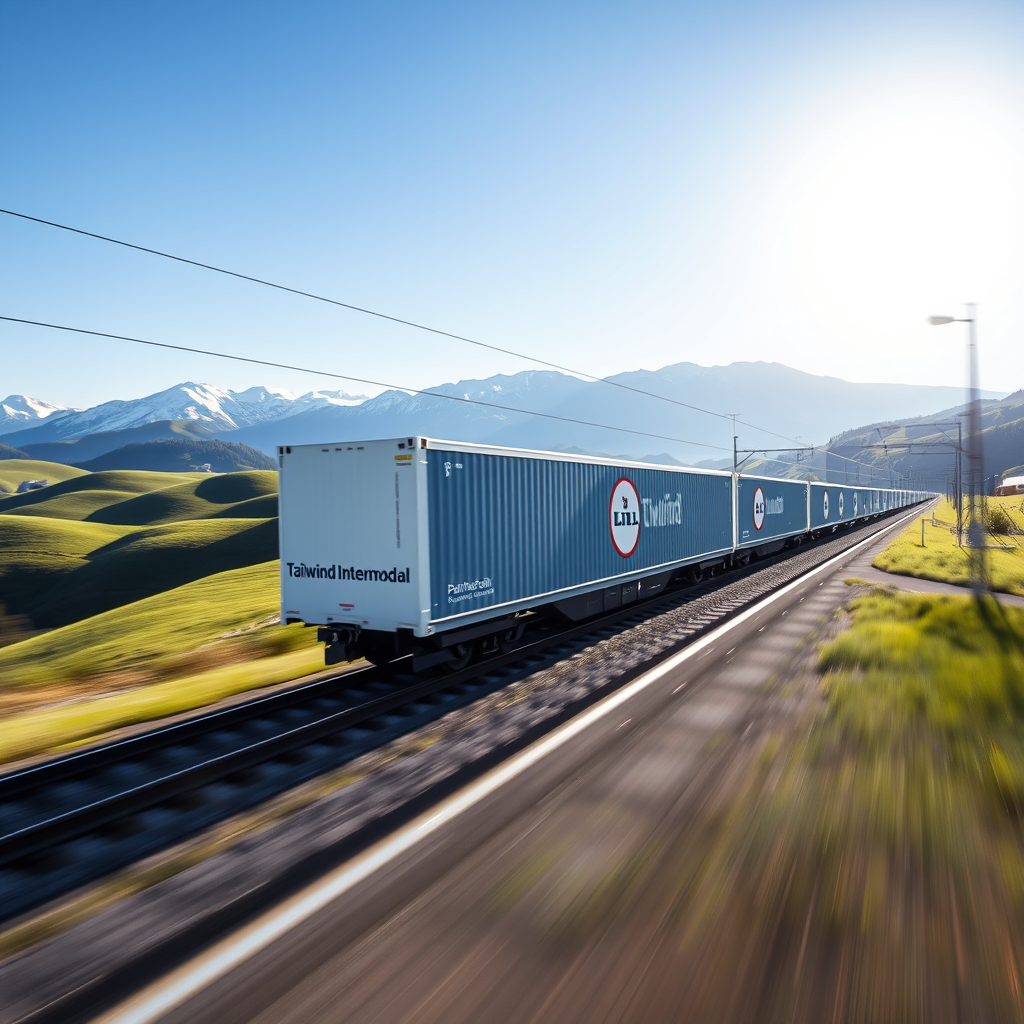
This article explores the strategic expansion of Lidl, a prominent German supermarket chain, into the intermodal rail freight sector with the launch of its subsidiary, Tailwind Intermodal. This move represents a significant development in the European logistics landscape, demonstrating a growing trend among large retailers to vertically integrate their supply chains and enhance control over transportation operations. The establishment of Tailwind Intermodal, and its inaugural Panther Shuttle service, provides a case study in the advantages and challenges of private sector investment in rail freight, highlighting considerations of operational efficiency, environmental impact, and the interplay between private enterprise and existing national rail infrastructure. We will examine the strategic rationale behind Lidl’s decision, the specifics of the Panther Shuttle operation, its implications for the broader European rail freight market, and the potential for future expansion and industry-wide impacts. The analysis will also delve into the environmental implications of rail freight, particularly in relation to the transition towards sustainable transportation practices.
Lidl’s Vertical Integration Strategy: Bringing Transportation In-House
Lidl’s foray into rail freight, through Tailwind Intermodal, is a strategic move to enhance its control over its supply chain, driven by the disruptions and uncertainties experienced during the COVID-19 pandemic. The establishment of Tailwind Shipping Lines in 2022 demonstrated the company’s commitment to reducing its reliance on external logistics providers. By expanding into rail transport with Tailwind Intermodal, Lidl gains further control over the movement of goods from the port of Koper (Slovenia) to inland destinations. This vertical integration strategy mitigates risks associated with external dependencies, optimizes delivery schedules, and improves overall supply chain resilience. The choice of Koper as a key port underscores its strategic location as a gateway to Central and Southeastern Europe.
The Panther Shuttle Service: Graz-Koper Connection
Tailwind Intermodal’s inaugural service, the Panther Shuttle, operates a direct rail connection between Graz, Austria, and Koper, Slovenia. This route strategically connects a major inland distribution hub in Austria with a key Mediterranean port. The five-times-per-week service in each direction highlights a commitment to frequency and reliability. The Panther Shuttle’s success will depend on several factors, including the effectiveness of intermodal handling (transfer of containers between different transport modes), the efficiency of the route itself, and the coordination with Tailwind Shipping Lines’ maritime operations. The naming of the service, referencing the Styrian coat of arms, indicates a local market focus and an attempt to build brand recognition.
Environmental Considerations and Sustainable Transportation
The expansion of rail freight operations offers significant environmental benefits compared to road transport. Rail is inherently more fuel-efficient and generates fewer greenhouse gas emissions per ton-kilometer. The choice of electric or hybrid locomotives can further reduce the environmental impact. While specific details on the locomotive type used by Tailwind Intermodal aren’t provided, the initiative aligns with broader industry trends toward sustainable transportation. The success of the Panther Shuttle, and future expansion, could contribute to a shift towards greener logistics practices within the European retail sector. This aligns with broader European Union policy objectives targeting the decarbonization of the transportation sector.
Future Expansion and Market Implications
Tailwind Intermodal’s current focus on the Graz-Koper route is a strategic starting point. Future expansion plans, though currently unspecific, could involve increasing service frequency on the existing route or extending operations to other important European hubs. This expansion could impact existing rail freight operators and further stimulate competition within the sector. The ongoing modernization and expansion of Austrian rail corridors by ÖBB (Austrian Federal Railways) are likely to facilitate such growth, reducing transit times and improving overall efficiency. Lidl’s success in this venture could encourage other large retailers to adopt similar strategies, leading to further consolidation and modernization of the European rail freight industry.
Conclusions
Lidl’s venture into the rail freight sector through Tailwind Intermodal represents a significant strategic move, highlighting a growing trend of vertical integration within the logistics industry. The launch of the Panther Shuttle service between Graz and Koper demonstrates the company’s commitment to controlling its supply chain and enhancing efficiency. The choice of this route strategically links a major inland distribution center with a key Mediterranean port, providing access to Central and Southeastern Europe. The project’s potential for positive environmental impact is notable, aligning with the broader push towards sustainable transportation. The success of Tailwind Intermodal will depend on multiple factors, including operational efficiency, effective intermodal handling, and seamless integration with Lidl’s existing shipping operations. Future expansion, either through increased frequency on the existing route or the addition of new routes, will have significant implications for the European rail freight market, stimulating competition and potentially accelerating the adoption of sustainable transportation practices. The strategic investment by Lidl showcases the significant potential for private sector involvement in modernizing and expanding rail freight capacity within Europe. The cooperation between private enterprise and national rail infrastructure operators, as exemplified by the relationship between Tailwind Intermodal and ÖBB, is crucial for success and emphasizes the importance of collaboration in optimizing the efficiency and sustainability of European freight transport.
RELATED POSTS

December 16, 2019 11:25 pm
The Haramain High-Speed Railway (HHR), a significant infrastructure project in...
May 31, 2013 12:45 am
Russia’s Aeroexpress and the Swiss railway equipment manufacturer Stadler Rail...
August 25, 2020 1:00 pm
The Impact of Public Health Crises on Transportation Systems: A...

July 20, 2015 7:57 am
Vietnam will borrow US$250.62 million more from China to partly...
November 20, 2019 4:17 pm
The Crossrail Project: A Case Study in Mega-Project Challenges This...
June 19, 2017 10:25 am
Unveiling the Future of Railway Signaling: Innovations in Train Separation...