
LAX APM: Modernizing Airport Transit, One Ride at a Time
Introduction
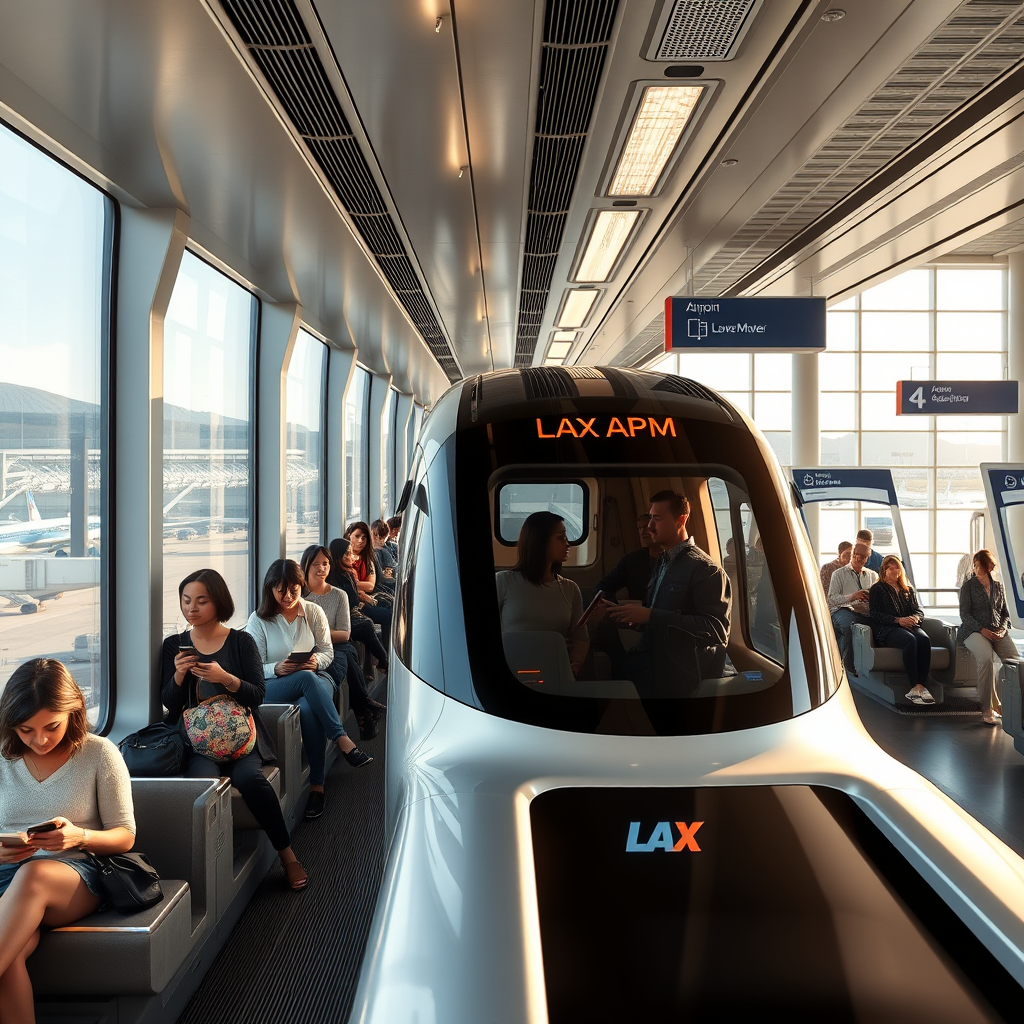
This article explores the development and impending completion of the Automated People Mover (APM) system at Los Angeles International Airport (LAX). This 3.6km inter-terminal rail system, a significant undertaking by the Los Angeles Board of Airport Commissioners (BOAC) and the construction joint venture LINXS, represents a substantial investment in improving airport accessibility and reducing traffic congestion. The project, originally slated for an earlier completion, has faced cost overruns and schedule delays, necessitating a revised budget and timeline. The project’s completion and subsequent public access promises to revolutionize passenger and employee transit within the airport complex, impacting not only LAX operations but also the broader Los Angeles transportation network. We will delve into the technical aspects of the system, the financial implications of the project’s extended timeline, the societal benefits it promises, and its overall significance in the context of modern airport infrastructure development. The following sections will analyze these aspects in detail, providing a comprehensive understanding of the LAX APM project.
The LAX APM System: Technical Specifications and Design
The LAX APM system is designed as a fully automated, electric rail system serving six stations across the airport. These stations strategically connect the Central Terminal Area (CTA), the parking facility, the LAX/Metro Transit Center station (providing seamless integration with the city’s broader public transport network), and the consolidated Rent-A-Car facility. The system boasts a top speed of 75 km/h, ensuring efficient transit with a projected end-to-end travel time of just 10 minutes. This efficient design prioritizes passenger convenience and a swift transfer experience. The adoption of an automated system reduces operational costs associated with employing a large workforce for train operation and offers consistent service delivery, minimizing the potential for human error. Furthermore, the fully electric nature of the system aligns with global sustainability efforts and reduces the airport’s carbon footprint. The system’s design and technology underscore LAX’s commitment to a modern and efficient passenger experience.
Financial Considerations and Budgetary Implications
The LAX APM project has experienced a significant budget increase of $550 million. This escalation is attributed to a prolonged construction timeline and the cost of work completed since August 2018. This highlights the challenges inherent in large-scale infrastructure projects, where unforeseen complexities and delays can significantly impact the overall budget. Transparency regarding these cost overruns is crucial. While the additional expenditure represents a substantial increase, the BOAC’s justification emphasizes the need to deliver a completed and fully operational system. The benefits of reduced traffic congestion, improved passenger experience, and the potential economic benefits resulting from enhanced accessibility should be carefully weighed against the increased financial investment. An in-depth cost-benefit analysis would provide a clearer picture of the project’s long-term financial viability and return on investment.
Societal Benefits and Impact on the Los Angeles Community
The anticipated societal benefits of the LAX APM system are considerable. The project aims to significantly reduce traffic congestion around LAX, a notorious bottleneck in the Los Angeles area. By providing free inter-terminal transport and connecting directly to the Metro system, it offers a convenient alternative to private vehicles, potentially alleviating traffic on freeways and local streets. The project also presents positive employment opportunities, with 85 local businesses involved in its construction, contributing to the local economy and providing good-paying union jobs. The improved accessibility also benefits airport employees, simplifying commutes and reducing stress. These combined effects position the APM system as a vital component of a more efficient and sustainable transportation infrastructure for Los Angeles.
Conclusion
The LAX APM system represents a significant investment in modernizing LAX’s infrastructure and improving the overall passenger experience. The project, despite facing budget overruns and schedule delays, is on track for completion in December 2025, with passenger service commencing in January 2026. The $550 million increase in budget underscores the inherent complexities and potential cost escalations associated with large-scale infrastructure projects. However, the projected societal benefits, including reduced traffic congestion, enhanced accessibility, and job creation, significantly outweigh the increased costs. The seamless integration with the city’s Metro Rail system will create a truly world-class transportation network, benefiting not only LAX passengers and employees, but the entire Los Angeles community. The completion of the APM system serves as a case study for future large-scale transit projects, emphasizing the importance of meticulous planning, transparent budgeting, and a comprehensive assessment of both costs and benefits. The project’s success will be measured not only by its on-time completion but also by its long-term impact on reducing traffic congestion, improving airport accessibility, and contributing to the economic vitality of the Los Angeles area. The project underscores a commitment to improving both the efficiency and sustainability of airport transit systems worldwide.
RELATED POSTS

July 8, 2025 9:33 am
Wabtec acquires Frauscher, a rail signaling tech firm, boosting digital...

July 6, 2009 7:18 am
Hong Kong’s Mass Transit Railway has chosen US company AECOM...

August 20, 2019 3:21 am
Simplifying the UK Rail Ticketing System: A Comprehensive Analysis The...

April 6, 2025 12:45 am
The German Rail Dispute: A Clash of Modernization and Labor...

November 9, 2025 2:54 am
Expert No Comment

February 4, 2016 9:00 am
Five firms have so far expressed interest in the P171-billion...