
LA’s Driverless Subway: Sepulveda Pass Solution
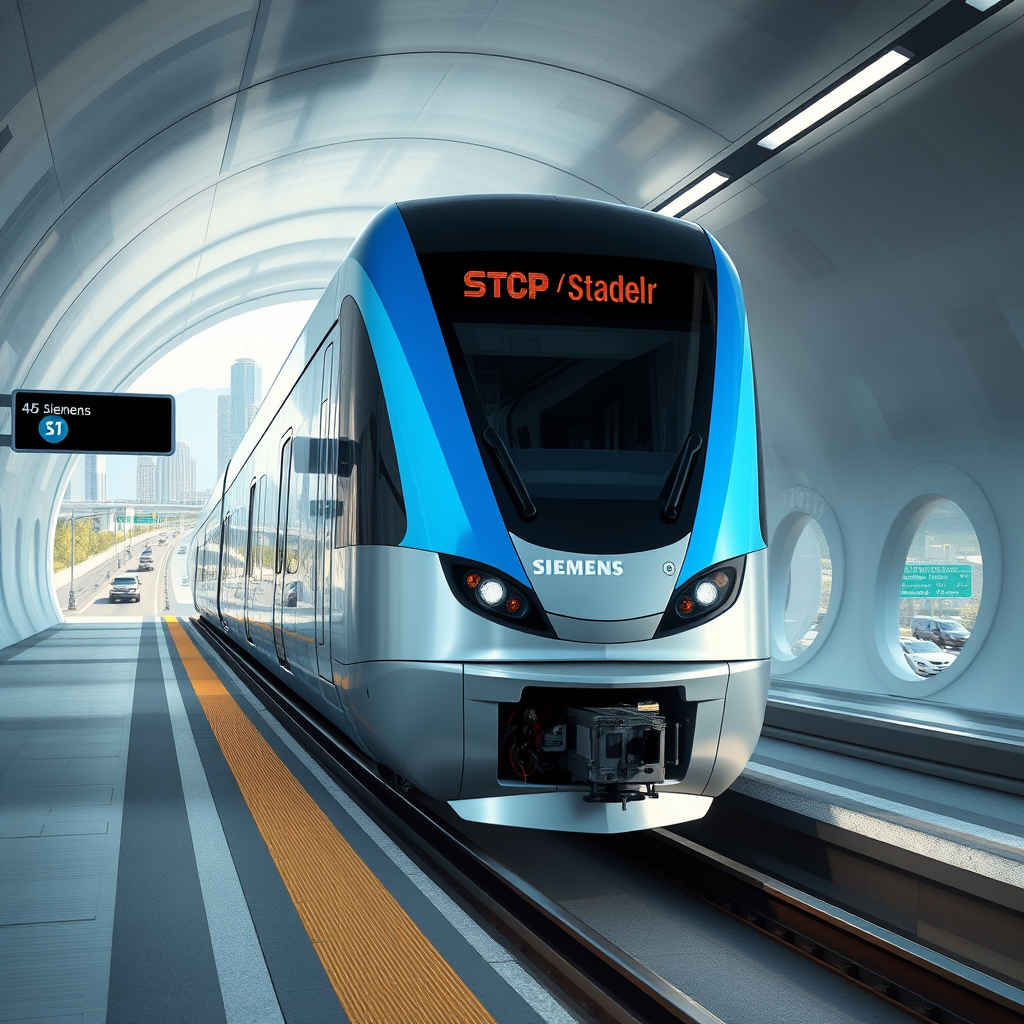
The Los Angeles County Metropolitan Transportation Authority (Metro) is currently evaluating proposals for the construction of a new rail line connecting the San Fernando Valley and the Westside, aiming to alleviate traffic congestion along the heavily trafficked I-405/Sepulveda Pass corridor. This initiative represents a significant undertaking, demanding a robust and innovative approach to transit infrastructure development. This article will delve into the Sepulveda Transit Corridor Partners (STCP) proposal, focusing on its technological advancements, strategic partnerships, and the broader context of Los Angeles’s ongoing efforts to modernize its transportation network. The STCP proposal, a driverless rapid-rail subway system, stands out due to its ambitious scope and the inclusion of industry-leading partners. This analysis will examine the technical details of the proposal, the strategic advantages of partnering with Siemens and Stadler, and the potential implications for the future of transit in Los Angeles. Furthermore, we will place this project within the larger framework of regional transportation development, comparing it to other significant initiatives and discussing its long-term impact on the city’s infrastructure and commuting landscape.
The Sepulveda Transit Corridor Partners (STCP) Proposal
The STCP consortium, a collaboration between Meridiam, Bechtel, and American Triple I, has proposed a driverless rapid-rail subway system as a solution to the I-405/Sepulveda Pass congestion. This ambitious project aims to create a faster, more efficient, and environmentally friendly alternative to the existing highway system. The core of the proposal lies in the utilization of cutting-edge technology, including automated train operation (ATO) and advanced signaling systems. This technology promises to improve both safety and efficiency, with the potential for increased frequency and reduced operational costs. The system’s design also considers seamless integration with existing and planned transportation networks, emphasizing connectivity throughout the Los Angeles metropolitan area. The STCP proposal emphasizes not just technological innovation but also a commitment to sustainable practices, aiming to minimize environmental impact throughout the project’s lifecycle.
Strategic Partnerships: Siemens and Stadler
A key strength of the STCP proposal is the strategic partnership forged with two leading rail technology providers: Siemens Mobility and Stadler. Siemens Mobility will provide the advanced signaling and control systems crucial for the automated operation of the driverless trains, leveraging their extensive experience in implementing complex, integrated rail systems globally. Their expertise in centralized train control (CTC) systems will be critical for the efficient and safe management of train movements along the corridor. Meanwhile, Stadler will supply the rolling stock—the actual trains—ensuring that the vehicles are both modern and compatible with the signaling and control systems designed by Siemens. This collaboration between two industry giants signifies a high level of technological sophistication and reliability, significantly enhancing the proposal’s credibility.
Competition and the Broader Context
The STCP proposal faces competition from LA SkyRail Express, which is proposing a monorail solution for the same corridor. The selection process will involve a thorough evaluation of both proposals, considering factors such as cost-effectiveness, technological feasibility, environmental impact, and community engagement. This competitive landscape underscores the high level of attention dedicated to addressing the transportation challenges of Los Angeles. The project also contributes to the broader picture of ambitious infrastructure development in the region. The $12 billion Brightline West high-speed rail project (connecting Los Angeles and Las Vegas) and the California High-Speed Rail (connecting Los Angeles to San Francisco) are further evidence of the commitment to improving rail connections, both within and beyond the city limits.
Conclusion
The STCP proposal for a driverless rapid-rail subway line along the Sepulveda Pass represents a significant step towards modernizing Los Angeles’s transportation infrastructure. The consortium’s strategic partnerships with Siemens Mobility and Stadler, combined with its commitment to cutting-edge technology and sustainable practices, position it as a strong contender in the competition with LA SkyRail Express. The selection process, involving rigorous evaluation by the Los Angeles County Metropolitan Transportation Authority (Metro), will determine the winning proposal and set the stage for the future of transit in this vital corridor. The project’s success will not only alleviate congestion and improve commute times for Angelenos but also serve as a model for sustainable urban development in other major metropolitan areas globally. The long-term impact extends beyond simple transportation; it impacts economic growth by improving connectivity between residential areas and job centers, contributing to a more efficient and environmentally friendly city. The integration of advanced Intelligent Transportation Systems (ITS) and the utilization of a centralized train control system (CTC) will also likely serve as a case study for other cities facing similar infrastructural challenges.
RELATED POSTS

September 7, 2025 2:36 am
China-Laos Railway now operates two-way freight trains, boosting regional trade...
June 21, 2025 8:33 am
Deighton station overhaul, set for 2027, boosts North rail travel...
December 10, 2025 4:42 pm
Eli Lilly invests $6B in a new manufacturing facility. The...
January 17, 2026 12:39 pm
Genesee & Wyoming secured over $1 billion in rail-served projects,...
March 3, 2025 9:50 pm
This article examines Alpha Trains’ recent acquisition of twelve Stadler...
January 15, 2026 12:39 pm
Aglaja Schneider becomes Siemens Mobility's UK & Ireland co-CEO, overseeing...