
Lagos Rail Red Line: A Case Study in Urban Rail Development
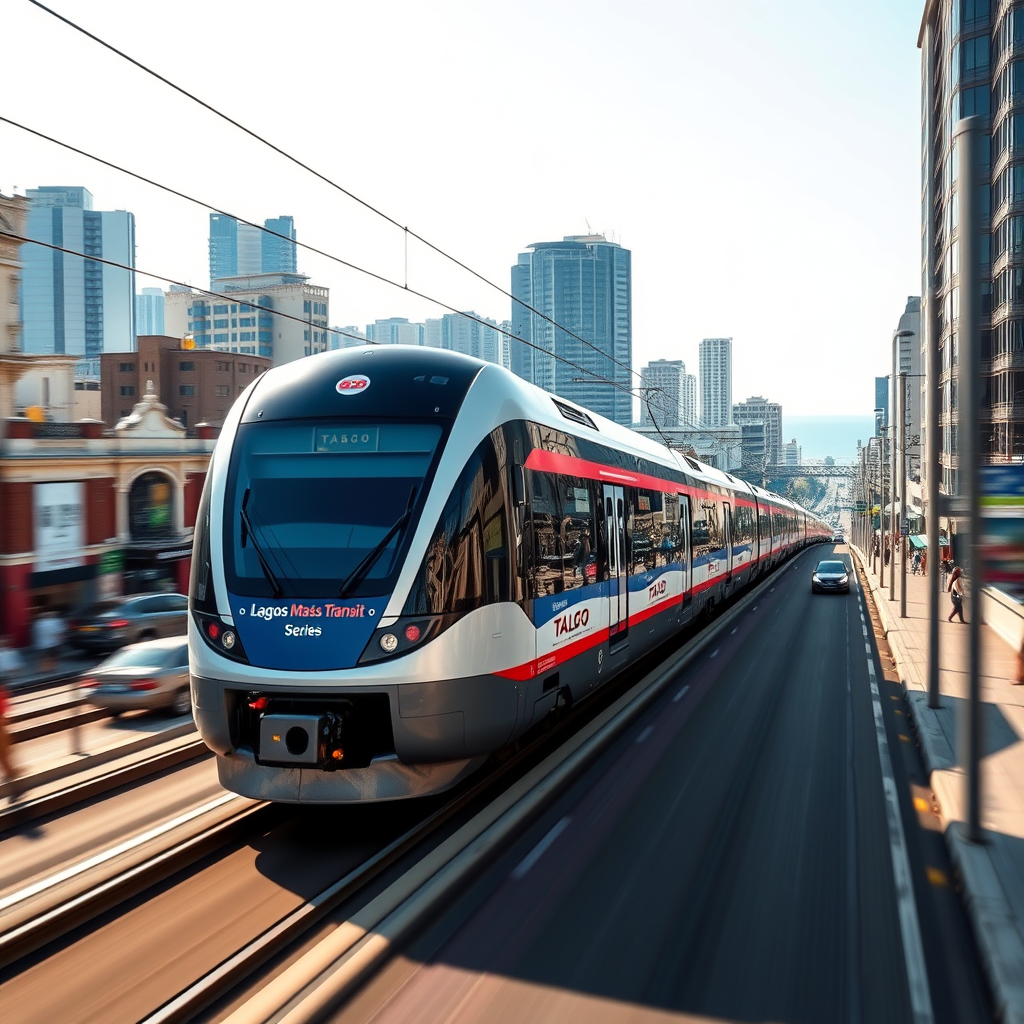
Expansion of Lagos Rail Mass Transit: A Case Study in Urban Rail Development
This article examines the recent expansion of the Lagos Rail Mass Transit (LRMT) system, specifically focusing on the opening of its Red Line. The project, a significant undertaking in one of Africa’s most populous cities, provides a valuable case study in the challenges and successes of implementing large-scale urban rail infrastructure projects. We will analyze the project’s timeline, technological choices, procurement strategies, and the potential broader impact on urban development in Lagos and across the African continent. The focus will be on understanding the strategic decisions made throughout the project’s lifecycle and their implications for future rail development initiatives in similar contexts.
Project Timeline and Procurement:
The LRMT Red Line’s construction, a 26.3km route with eight stations, commenced in 2021, although initial planning and contract negotiations with the China Civil Engineering Construction Corporation (CCECC) began significantly earlier. The earlier Blue Line, also constructed by CCECC, commenced construction in 2009. This phased approach allowed for incremental development and learning, potentially mitigating overall project risk. The decision to utilize CCECC, a Chinese state-owned enterprise, reflects the increasing role of international contractors in large-scale infrastructure projects in developing nations. The procurement strategy, while seemingly successful in delivering the Red Line, warrants further analysis regarding cost-effectiveness and local capacity building opportunities.
Rolling Stock and Technological Choices:
The initial rolling stock for the Red Line comprises two Talgo Series 8 trainsets, each consisting of 14 cars and hauled by two diesel locomotives from NRE (National Railway Equipment). Interestingly, these trainsets were originally intended for Amtrak’s Milwaukee-Chicago route but were never utilized. Their acquisition highlights the potential for cost-effective sourcing of rolling stock from secondary markets. However, the long-term sustainability and maintenance considerations related to using pre-owned equipment need careful evaluation. The future addition of rolling stock from Chinese suppliers like CRCC Dalian signals a shift towards a more integrated supply chain. The strategic implications of this shift, particularly concerning technological dependence and maintenance capabilities, require further scrutiny.
Integration and Future Expansion:
The Red Line’s eventual integration with the existing Blue Line will create a more comprehensive and efficient mass transit network within Lagos. This integration is crucial for maximizing ridership and minimizing travel time. The planned 11km extension to connect the two lines is a testament to the LRMT’s long-term vision of creating a city-wide integrated transit system. This approach underscores the importance of strategic planning and phased implementation in achieving large-scale urban rail development goals.
Economic and Social Impacts:
The opening of the Red Line represents a significant leap forward for Lagos’s urban transportation infrastructure. It has the potential to alleviate traffic congestion, reduce commute times, and improve the overall quality of life for residents. The project’s economic impact extends beyond job creation during construction; it can stimulate economic activity through increased accessibility to employment opportunities and improved market integration. However, careful consideration must be given to issues of affordability and accessibility to ensure the benefits of the LRMT are shared equitably across all segments of the population. Furthermore, evaluating the environmental impact, including greenhouse gas emissions from diesel locomotives, is crucial for future planning.
Conclusions:
The successful launch of the Lagos Rail Mass Transit Red Line marks a significant milestone in urban rail development in Africa. The project’s phased approach, leveraging international partnerships and strategic procurement, demonstrated the feasibility of large-scale infrastructure projects in a rapidly growing megacity. However, several key aspects require continued monitoring and evaluation. The long-term sustainability of the system depends on efficient maintenance practices, particularly for the pre-owned rolling stock. The integration with the Blue Line, along with future expansion plans, will be critical for the system’s overall effectiveness and ridership. Finally, a comprehensive assessment of the project’s economic and social impacts, including considerations of equity and environmental sustainability, is necessary to fully understand its contribution to Lagos’s urban development. The Lagos Rail Mass Transit project offers valuable insights for other cities across Africa and beyond, highlighting both the opportunities and challenges inherent in ambitious urban rail infrastructure development. Further research is needed to thoroughly analyze the long-term operational efficiency, financial sustainability, and social equity aspects of this project, ensuring its success as a model for future rail transit systems in similar contexts.
RELATED POSTS

February 24, 2021 11:40 pm
The following article delves into the complexities and implications of...
June 10, 2018 1:51 pm
The Bombardier TRAXX DC3: Revolutionizing freight with predictive maintenance,...
May 12, 2020 11:49 am
This article explores the significant milestone achieved by Transport for...

February 26, 2025 12:35 am
The United States is experiencing a significant investment in its...

Siemens has signed its largest US light rail order with...
August 24, 2017 10:19 pm
Railway safety hinges on proactive maintenance. Discover how advanced...