
LA Metro Rail’s $210M Upgrade: Woojin’s 2028 Olympic Push
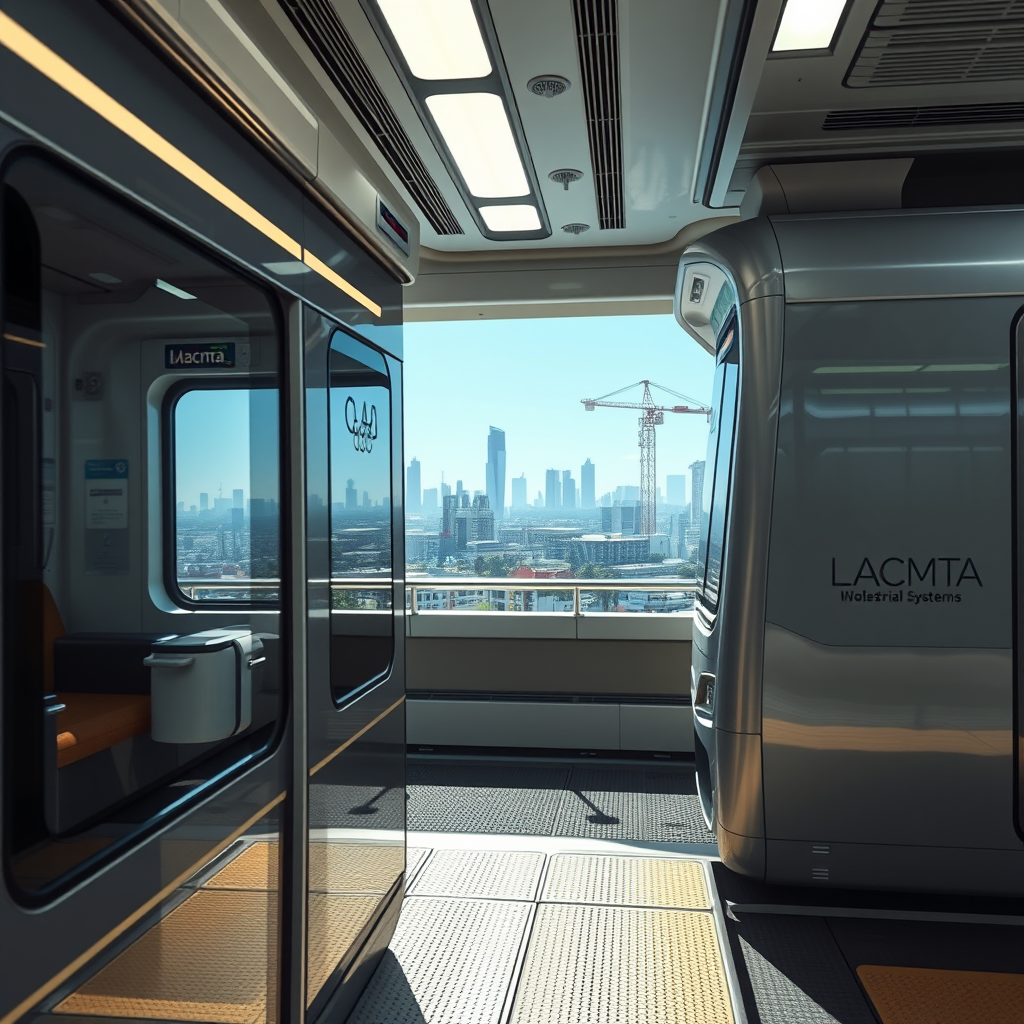
Modernizing Los Angeles’ Metro Rail System: A Comprehensive Overview
The Los Angeles County Metropolitan Transportation Authority (LACMTA) faces the significant challenge of modernizing its aging rail infrastructure in preparation for the 2028 Olympic Games. This undertaking involves not only expanding rail lines but also revitalizing existing rolling stock. This article delves into the recently finalized contract between LACMTA and Woojin Industrial Systems for the refurbishment of 74 metro cars, exploring the intricacies of the project, its implications, and the broader context of Los Angeles’s commitment to improving its public transportation network. We will examine the technical aspects of the refurbishment, the challenges faced by LACMTA in previous similar projects, and the wider implications of this investment for the city’s transit future.
The Woojin Contract: A New Beginning for LACMTA’s Rail Cars
The $210 million contract awarded to Woojin Industrial Systems marks a crucial step in the modernization of LACMTA’s fleet. These 74 heavy rail cars, originally manufactured by AnsaldoBreda in 1999, require extensive refurbishment to meet contemporary safety standards, improve passenger comfort, and enhance operational efficiency. Woojin, the sole bidder for this project, will undertake a comprehensive overhaul, including upgrades to mechanical systems, electrical components, and passenger amenities. The project’s timeline is ambitious, aiming for completion before the 2028 Olympics, a feat requiring meticulous planning and execution over a projected four-year period. The establishment of a new facility in Santa Fe Springs further underscores Woojin’s commitment to this large-scale undertaking.
Lessons Learned from Past Challenges: The Talgo Dispute
The LACMTA’s previous experience with Talgo, a rolling stock manufacturer, serves as a cautionary tale. The legal battle surrounding a previous refurbishment contract highlighted the complexities of such large-scale projects and the potential for significant delays and disputes. This past experience underscores the importance of robust contract negotiation, meticulous project management, and clear communication between the contracting authority and the manufacturer. The Woojin contract hopefully avoids the pitfalls of the Talgo project, ensuring timely completion and cost-effectiveness.
Strategic Investments in Los Angeles’ Rail Infrastructure
The Woojin contract is not an isolated initiative but rather a component of a broader strategic investment in Los Angeles’s rail infrastructure. The city is undertaking significant projects to enhance its public transit network, preparing for the influx of visitors during the 2028 Olympics and addressing long-term transportation needs. The construction of Brightline West, a high-speed rail line connecting Southern California to Las Vegas, is a prime example of this broader commitment to modernization and expansion. These combined efforts signal a significant shift towards sustainable and efficient transportation solutions in the region. The successful completion of these projects will transform Los Angeles’s transportation landscape, improving both the daily commutes of residents and the overall experience of visitors.
Conclusion: Paving the Way for a Modernized Rail System
The LACMTA’s contract with Woojin represents a critical step in the ongoing modernization of Los Angeles’s metro rail system. The refurbishment of 74 metro cars, coupled with other significant infrastructure projects like the Brightline West high-speed rail line, demonstrates a considerable commitment to enhancing the city’s public transportation network. While past challenges, such as the legal dispute with Talgo, highlight the potential pitfalls of such large-scale undertakings, the selection of Woojin and the establishment of a dedicated facility suggest a proactive approach to minimizing risks. The successful completion of this project will not only improve the quality and reliability of Los Angeles’s public transportation but also enhance its capacity to handle the increased demand during the 2028 Olympic Games and beyond. Moreover, this substantial investment signals a long-term vision for sustainable urban development, prioritizing efficient and environmentally conscious transportation solutions. The lessons learned from previous projects, combined with the meticulous planning and execution anticipated in this undertaking, hold the promise of a significantly improved and modernized rail system for the city of Los Angeles, benefiting both residents and visitors for years to come. The success of the Woojin project will serve as a benchmark for future infrastructure development and modernization initiatives throughout the region, setting a precedent for effective collaboration between public authorities and private contractors in delivering large-scale transportation improvements.
RELATED POSTS
April 30, 2025 3:12 pm
This article delves into the significant contract awarded to Bharat...

June 11, 2019 11:20 am
This article delves into the significant expansion of the Dallas...
January 28, 2020 4:07 am
This article examines the significant upgrade to Western Australia’s Australind...

The Bulgarian Government is planning to complete the privatisation of...
September 7, 2025 11:30 pm
NTSB investigates BNSF Globeville Yard accident, injuring conductor; moving...

June 23, 2025 11:33 am
Estonia awarded a design contract for a crucial Muuga rail...