
KiwiRail’s OHE Upgrade: NZ Rail Innovations
Global rail is evolving fast! From KiwiRail’s overhead line upgrades to Ethiopian security tech, discover how cutting-edge projects are shaping the future of railway.
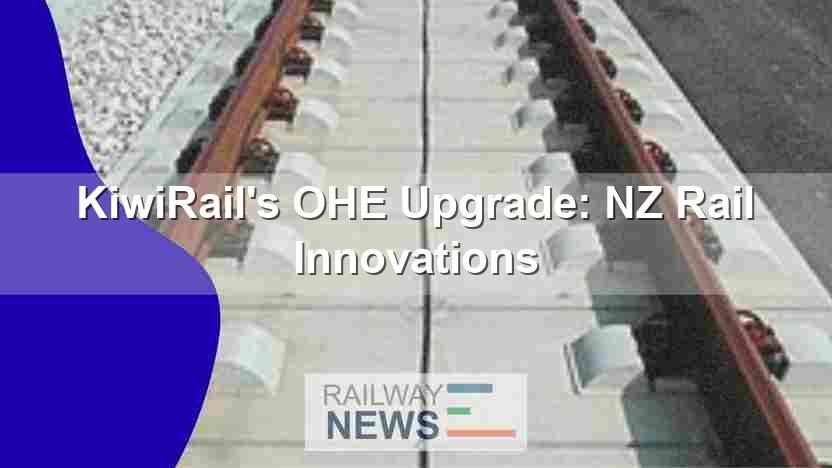
The global railway industry is experiencing a period of significant transformation, driven by factors such as increasing passenger demand, the need for improved infrastructure, and advancements in technology. This article examines three recent projects that highlight these trends: an overhead line system upgrade in New Zealand, a substantial funding award for transportation projects in Los Angeles, and the implementation of enhanced security measures on a key rail link in Ethiopia. These case studies illustrate the diverse challenges and opportunities facing railway operators and suppliers worldwide, encompassing infrastructure modernization, funding strategies, and security enhancements. The analysis will delve into the technical aspects of each project, exploring the specific technologies employed, the strategic partnerships forged, and the anticipated impacts on railway operations and efficiency. By examining these diverse projects, we gain valuable insights into the evolving landscape of the railway sector and the key factors influencing its future growth.
KiwiRail’s Hutt Line Overhead Line System Upgrade
KiwiRail, New Zealand’s national railway operator, awarded a NZ$49m ($34.05m USD) contract to the JV Rail joint venture (a partnership between Fulton Hogan and John Holland Australia) for a detailed upgrade of the overhead electric line (OHE) system on the Hutt Line. This project encompasses the refurbishment of 38km of overhead wires and the replacement of 1,278 aging timber poles with more robust steel masts. This upgrade is crucial for enhancing the reliability and safety of the Hutt Line, a vital commuter route. The use of steel masts represents a significant improvement in durability and longevity compared to the previous timber structures, reducing the need for frequent maintenance and replacement. The project’s completion by 2021 underscores the commitment to timely delivery and operational efficiency.
Los Angeles Metro’s Funding Success and Infrastructure Development
The Los Angeles County Metropolitan Transportation Authority (Metro) secured a substantial $703.6m grant from the California Transportation Commission (CTC) through the SB-1 tax and transportation funding program. This funding will support several key projects, including the Airport Metro Connector 96th Street Transit Station Project and the Global Freight Gateway: Southern California Rail Project. The SB-1 funding demonstrates a significant commitment to improving Los Angeles’s public transportation infrastructure. The allocation of funds across multiple projects signifies a strategic approach to addressing various transportation needs within the region, improving both commuter services and freight transport efficiency. The grant adds to the $1.8bn already secured by Metro, highlighting the scale of investment in upgrading the city’s transportation network.
Ethiopian Railways’ Investment in Security Technology
Ethiopian Railways has prioritized security by investing in advanced technology from Smiths Detection to safeguard its crucial rail link between Ethiopia and the port of Djibouti. The deployment of 39 scanners at 16 major stations along the line represents a significant investment in security infrastructure. These scanners will enable high-speed screening of baggage, cargo, and other luggage, effectively mitigating potential threats. This project highlights the growing importance of security measures within the railway industry, and the adoption of advanced technologies to enhance the safety and security of both passengers and freight. The completion timeline of July 2018 indicates a rapid implementation of these vital security upgrades.
Transmashholding and Hitachi’s Joint Venture for Traction Inverter Production
JSC Transmashholding (Transmashholding), a major Russian railway equipment manufacturer, partnered with Hitachi to establish TMH Traction Systems, a joint venture focused on producing traction inverters for passenger trains. This JV will produce 200 inverters annually at Transmashholding’s Metrowagonmash facility, supplying a critical component for modern passenger rolling stock. This collaboration showcases the increasing importance of international partnerships in the railway industry, leveraging the expertise and resources of both companies. Transmashholding’s 51% stake reflects its commitment to the project, while Hitachi’s 49% participation provides access to advanced technology and global market reach. The joint venture also includes the provision of maintenance services, ensuring the long-term reliability of the supplied inverters.
Conclusion
The three projects analyzed in this article provide a snapshot of the dynamic nature of the global railway sector. KiwiRail’s OHE system upgrade exemplifies the ongoing need for infrastructure modernization and the importance of strategic partnerships in delivering such projects. The Los Angeles Metro’s funding success highlights the significant investments being made in public transportation infrastructure, addressing the growing demand for efficient and sustainable urban mobility solutions. Ethiopian Railways’ focus on security demonstrates the increasing attention being paid to protecting rail networks from potential threats, reflecting a global trend toward enhancing security in critical infrastructure. Finally, the Transmashholding and Hitachi joint venture underlines the growing importance of international collaboration and technology transfer within the railway industry, particularly in the development of advanced train control systems. These projects collectively demonstrate the various technological, financial, and strategic challenges and opportunities shaping the future of the railway industry globally. The trend towards greater investment in infrastructure modernization, advanced security systems, and international collaboration is expected to continue, driving further innovation and efficiency within the railway sector.

Railway infrastructure, rolling stock and transport technologies specialist focused on global rail industry developments, high-speed rail systems, signaling technologies and freight transportation. Covering railway investments, public transport modernization, rail operations and international mobility projects across Europe, Asia and North America.
RELATED POSTS

October 8, 2026 1:15 pm
Alstom secured a €1bn contract to build 13 automated trains,...

October 4, 2026 5:14 pm
Alstom secured a CA$4.7 billion order from VIA Rail Canada...

October 5, 2026 6:12 pm
AECOM and Jacobs secured a contract in September 2026 to...

October 1, 2026 12:13 am
Illinois approved $1.5 billion annually for the Northern Illinois Transit...

October 4, 2026 11:08 pm
Sound Transit confirmed the September 30 opening of Seattle Pinehurst...

October 5, 2026 1:13 pm
New York MTA confirmed a late 2026 DEIS release for...