
Kevin Speed: Revolutionizing French High-Speed Rail
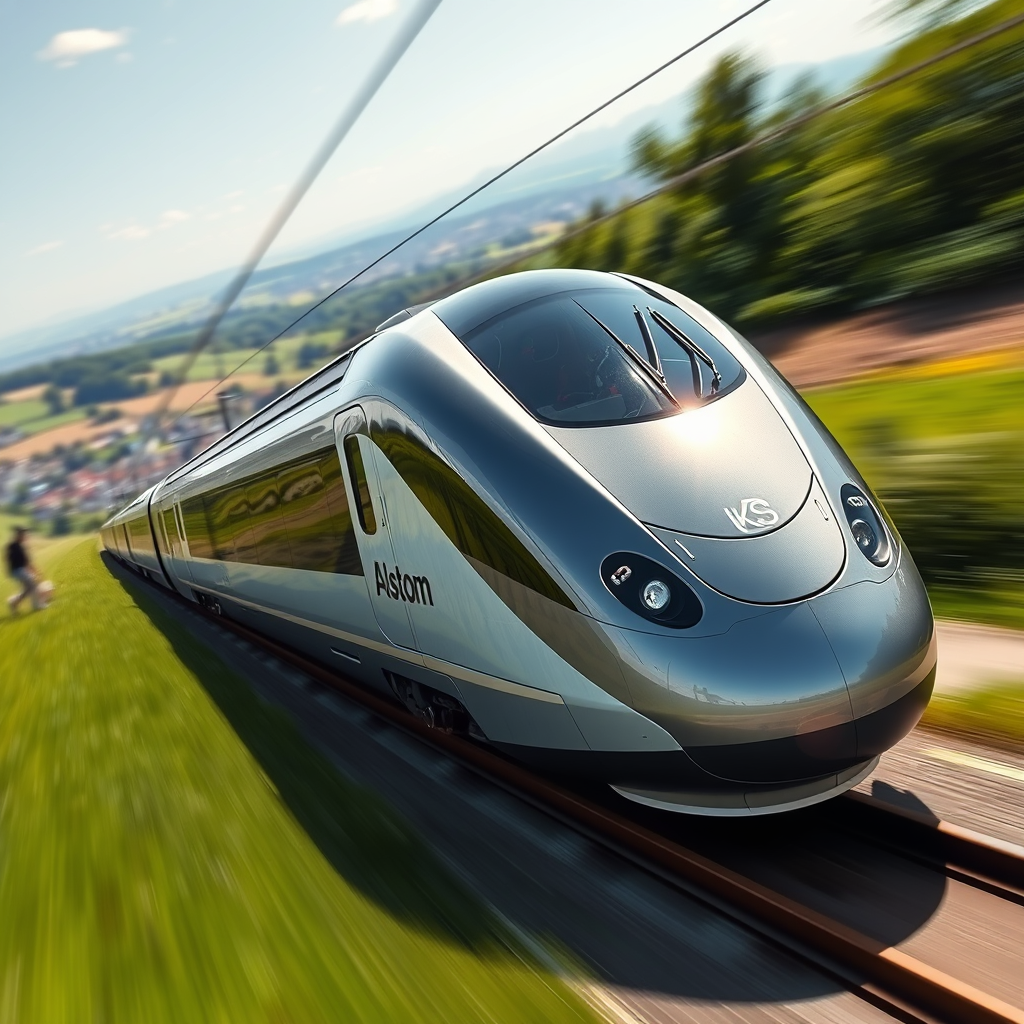
This article explores the significant development in the French high-speed rail market with the entry of Kevin Speed, a new open-access operator. The agreement between Kevin Speed and SNCF Réseau (the French national railway infrastructure manager) marks a pivotal moment, representing the first Track Access Framework Agreement (TAFA) utilized within the French high-speed rail sector. This agreement allows Kevin Speed to access three major lines radiating from Paris, paving the way for its planned “ilisto” high-speed rail service. The broader implications of this development are substantial, highlighting the increasing competition within the market, the potential for innovation in service provision, and the strategic role of open access in enhancing railway accessibility and efficiency. The analysis will delve into the strategic considerations behind Kevin Speed’s business model, the financial aspects of securing operation, and the long-term impact on the French railway landscape. The implications of this deal extend beyond Kevin Speed itself, suggesting a potential wave of new entrants and increased competition in a previously relatively closed market.
Kevin Speed’s Strategic Entry into the French High-Speed Rail Market
Kevin Speed’s ambitious plan to operate high-speed rail services connecting Paris to Lille, Strasbourg, and Lyon represents a significant challenge to the established dominance of SNCF. Their business model centers on offering affordable, high-speed (300 km/h) commuting services, targeting a market segment underserved by existing operators. This strategy aims to capture the growing demand for rail travel, fueled by government initiatives promoting a modal shift from road to rail to meet 2030 carbon emission reduction targets. By focusing on these key routes, Kevin Speed is leveraging existing infrastructure to minimize capital expenditure in track construction, instead focusing resources on fleet acquisition and operational efficiency. Their commitment to purchasing 20 Alstom trainsets demonstrates a serious investment in their long-term viability.
Securing Access and Financing: The TAFA Agreement and Investment Rounds
The signing of the TAFA (Track Access Framework Agreement) with SNCF Réseau is paramount to Kevin Speed’s success. This agreement provides the essential legal framework for access to the railway infrastructure, allocating track time and specifying operational rules. It provides the crucial guarantee necessary for attracting substantial investments. Kevin Speed’s plan to raise €1.2 billion in debt and equity financing, facilitated by Nomura, Santander CIB, and EY, highlights the confidence of major financial institutions in the project’s potential. The successful completion of this funding round underscores the viability of their business model and the attractiveness of the French high-speed rail market to investors.
Operational Plans and Job Creation
Kevin Speed’s commitment extends beyond simply operating trains. The planned construction of three maintenance workshops, one strategically located midway along each served line, reflects a commitment to long-term sustainability and local economic development. The creation of 450 jobs demonstrates the ripple effect of their investment, extending beyond direct employment within the company to create opportunities in the broader French economy. This integrated approach, combining operational efficiency with regional economic growth, strengthens their overall business model and enhances their societal impact. The planned commencement of services in 2028, following extensive testing of their trainsets from 2026, represents a realistic timeline for operational rollout.
The Broader Implications for the French High-Speed Rail Market
Kevin Speed’s success will have significant implications for the wider French high-speed rail landscape. The entry of this open-access operator, following closely behind Le Train’s planned 2025 launch, signals a move towards a more competitive market. Increased competition can lead to innovation in service offerings, potentially including lower fares, improved punctuality, and enhanced customer experiences. The current relatively closed market will be disrupted by such entrants, driving efficiency improvements and benefitting passengers. This increased competition will push SNCF to innovate and improve its services, ultimately enhancing the overall railway system in France. The long-term success of Kevin Speed and other open-access operators could set a precedent for similar developments in other European countries, fostering greater efficiency and innovation within the wider high-speed rail sector across the continent.
Conclusions
The Kevin Speed initiative represents a significant development within the French high-speed rail sector. Their strategic approach, focusing on affordable high-speed services to underserved routes, coupled with the successful securing of a TAFA (Track Access Framework Agreement) with SNCF Réseau and substantial funding, positions them for potential success. The creation of significant employment opportunities through the development of maintenance workshops underscores their commitment to regional development. The successful implementation of Kevin Speed’s plans will not only provide a valuable service to passengers, but also catalyze competition within the French high-speed rail market. This competitive pressure will likely incentivize innovation and efficiency improvements throughout the system, ultimately benefiting all stakeholders. The long-term success of Kevin Speed will depend on several factors, including effective operational management, successful integration with the existing infrastructure, and the ability to maintain competitiveness in a potentially evolving market landscape. However, the strategic partnerships and significant investment secured suggest a strong foundation for sustainable growth. The arrival of Kevin Speed, and companies like it, marks a turning point for the French high-speed rail system, ushering in an era of greater competition, innovation, and improved passenger services. The broader implications for the European rail market are considerable, demonstrating the potential for open-access models to revitalize railway infrastructure and enhance connectivity.
RELATED POSTS

January 5, 2026 10:38 pm
MTA's 2025 performance soared with record on-time rates and ridership...

April 2, 2025 11:05 pm
This article analyzes the conflict between Norfolk Southern (NS) and...

December 28, 2016 4:59 am
Ottawa's O-Train system secures a $6.5 million contract with Otis...

Israel is seeking expressions of interest from private sector parties...

May 28, 2025 7:03 pm
Norfolk, Virginia – July 17, 2024 The Norfolk Southern Railway...
November 17, 2025 9:54 am
European Investment Bank considers a EUR 92 million loan for...