
KeolisAmey’s Wales Rail Revolution: £5bn Investment
KeolisAmey’s £5 billion Wales & Borders rail transformation: modernizing infrastructure, boosting jobs, and creating a world-class passenger experience. Discover how!
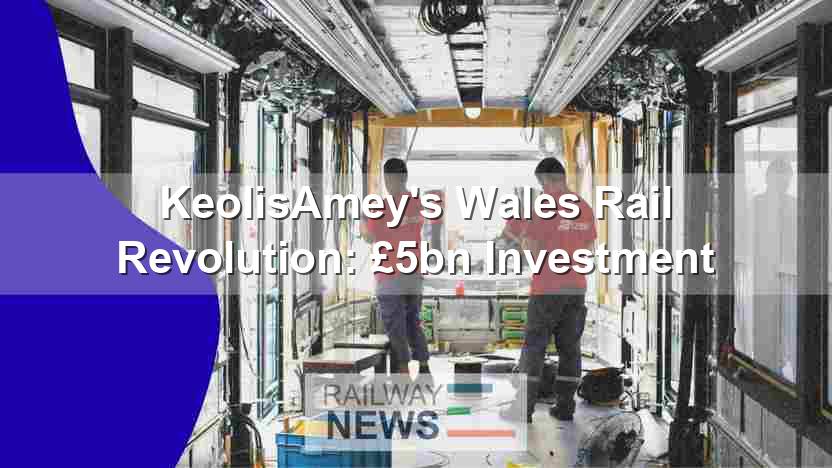
The Welsh rail network underwent a significant transformation in October 2018 with the transition of its Wales and Borders rail service operation from Arriva Trains Wales to KeolisAmey. This marked not just a change in operators, but the commencement of a fifteen-year contract underpinned by a substantial £5 billion investment. This article will delve into the intricacies of this transition, analyzing the motivations behind the change, the financial implications, the planned improvements to infrastructure and rolling stock, and the overall impact on the Welsh economy and passenger experience. The focus will be on assessing the long-term vision for a modernized and efficient rail system in Wales, highlighting both the opportunities and challenges that lie ahead for KeolisAmey in delivering on this ambitious undertaking. The significant investment pledged demonstrates the Welsh Government’s commitment to improving its railway network and enhancing the quality of public transport for its citizens. This transformation presents a unique case study in railway franchising and modernization strategies, offering valuable lessons for other regions considering similar initiatives.
The Transition and its Rationale
The decision to replace Arriva Trains Wales with KeolisAmey stemmed from a strategic objective to modernize and revitalize the Welsh rail network. The existing infrastructure and rolling stock were outdated, hindering efficiency and passenger satisfaction. The £5 billion investment, overseen by Transport for Wales (TfW), aimed to address these shortcomings. This involved a complete overhaul of the system, including the procurement of new trains and significant upgrades to stations across the Wales and Borders network. This substantial investment signifies a long-term commitment to transforming the railway into a modern and efficient transport system, capable of meeting the increasing demands of passengers and contributing to the economic development of Wales.
Financial Investment and Infrastructure Upgrades
A significant portion of the £5 billion investment, approximately £800 million, was allocated to the procurement of new trains. This commitment to modernizing the rolling stock was complemented by a further £194 million earmarked for station improvements across the network, enhancing passenger comfort and accessibility. An additional £738 million was earmarked for modernizing central metro lines, supporting the next phase of Metro development, and increasing train frequency. This multi-faceted approach to investment highlights a commitment to improvements across the entire passenger experience. The scale of the investment underscores the Welsh Government’s determination to create a world-class rail system that will benefit the economy and the quality of life for the people of Wales. The strategic allocation of funding showcases a well-defined plan for modernization.
Job Creation and Economic Impact
Beyond the infrastructure improvements, the KeolisAmey contract promised substantial employment opportunities. The agreement projected the creation of 600 jobs and 450 apprenticeships, contributing directly to the Welsh economy. This commitment to local employment aligns with the Welsh Government’s broader strategy to stimulate regional economic growth. Additionally, the “made in Wales” emphasis on the new rail service indicates a deliberate effort to foster local manufacturing and supply chains, thereby maximizing the economic benefits of the project. By stimulating employment and supporting local industries, this project represents a significant boost to the Welsh economy.
The “Made in Wales” Initiative and Future Prospects
The Welsh Government’s emphasis on a “made in Wales” rail service is a crucial aspect of this transformation. This commitment goes beyond simply operating the trains; it signifies a broader strategy to support local industry and create sustainable employment opportunities within Wales. The long-term aim is to establish a self-sustaining rail ecosystem within the country, reducing reliance on external suppliers and fostering innovation. The ambitious goal of creating the “best passenger rail service in the UK” by 2033 highlights the long-term vision for the Welsh rail network and underlines the importance placed on this project within the national strategic plan.
Conclusion
The handover of the Wales and Borders rail franchise from Arriva Trains Wales to KeolisAmey marks a pivotal moment in Welsh railway history. The £5 billion investment represents a significant commitment to modernizing the rail network, improving passenger experiences, and stimulating economic growth. The focus on procuring new trains, upgrading stations, and creating local jobs highlights a detailed strategy aimed at transforming the Welsh rail system into a modern and efficient public transport network. The “made in Wales” initiative showcases a dedication to fostering local industry and creating sustainable employment opportunities. While challenges inevitably lie ahead in delivering such an ambitious project, the long-term vision, as encapsulated by the Welsh Government’s aim of creating the best passenger rail service in the UK by 2033, provides a compelling roadmap for the future. The successful implementation of this plan will not only improve the lives of Welsh citizens but also serve as a model for other regions seeking to modernize their railway systems. The scale and ambition of this undertaking underscore the significant role that rail transport plays in the development of a modern, efficient, and economically vibrant Wales. The success of this project will be a testament to the power of strategic planning, substantial investment, and a commitment to building a sustainable and impactful rail network.

Railway infrastructure, rolling stock and transport technologies specialist focused on global rail industry developments, high-speed rail systems, signaling technologies and freight transportation. Covering railway investments, public transport modernization, rail operations and international mobility projects across Europe, Asia and North America.
RELATED POSTS

September 6, 2026 5:19 am
Hitachi delivered Taiwan's first N700ST high-speed train from Japan in...

September 5, 2026 4:19 pm
CPK launched formal tender talks with four consortia to design...

September 5, 2026 7:14 pm
HS2 Ltd signed renegotiated civils contracts with EKFB and Align...

September 6, 2026 4:12 am
Alstom delivered the first of 100 new G Class trams...

September 6, 2026 6:17 am
Hungary ordered a national ban on most freight trains from...

September 6, 2026 1:17 am
Hitachi Toshiba Supreme Consortium confirmed the first of 12 N700ST...