
Kemp Street Bridge Junee: Aussie Rail Infrastructure Rehab & Impact
Junee’s Kemp Street bridge, a vital railway link, undergoes rehabilitation. Engineers assess, design, and plan repairs for the aging structure, ensuring continued safe railway operations.
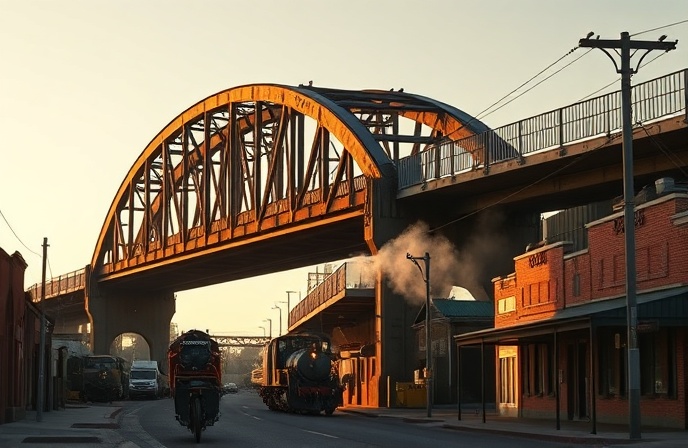
Addressing Structural Challenges: Rehabilitation of the Kemp Street Bridge in Junee
The quiet town of Junee, New South Wales, is home to a critical piece of railway infrastructure: the Kemp Street bridge. This vital link, carrying rail traffic over Kemp Street, is currently undergoing significant assessment and rehabilitation to ensure its continued safe and efficient operation. This article explores the crucial work being undertaken, its underlying motivations, the technical intricacies involved, and the broader implications for the Australian railway network. The project, centered on the Kemp Street bridge Junee, highlights ongoing efforts to maintain and enhance railway infrastructure across the nation.
The primary focus of this article is to delve into the engineering considerations and practical steps necessary for ensuring the long-term structural integrity of the Kemp Street bridge Junee. We will examine the specific challenges presented by its existing design and age, the methodologies employed to diagnose its current condition, and the strategies being implemented for its refurbishment. The project is a prime example of proactive asset management, a crucial aspect of maintaining operational efficiency and safety within the railway industry.
Evaluating the Current Condition: A Detailed Assessment
The initial phase of the Kemp Street bridge Junee project involved a comprehensive assessment of the bridge’s structural components. This included visual inspections, non-destructive testing (NDT) methods, and detailed analysis of historical data. NDT techniques such as ultrasonic testing (UT), which uses sound waves to detect internal flaws in materials, were employed to identify any potential weaknesses within the steel structure. Furthermore, concrete testing, including core sampling, was conducted to assess the quality and strength of the concrete components. The data gathered from these assessments provides a critical baseline for determining the extent of necessary repairs and informs the subsequent design phase.
Engineering Design and Repair Methodologies
Following the assessment, detailed engineering designs are developed to address identified deficiencies. The specific repair methodologies are tailored to the type and severity of the damage. In many cases, these repairs may involve the reinforcement of existing steel members, the replacement of corroded components, and the application of protective coatings to prevent future degradation. For the Kemp Street bridge Junee project, these solutions must be implemented while minimizing disruptions to rail traffic. This typically involves meticulous planning, strategic staging of works, and the deployment of efficient construction techniques.
Material Selection and Construction Techniques
The selection of appropriate materials is paramount to ensuring the long-term durability of the repairs. High-strength steels and specialized coatings are often employed to withstand the harsh environmental conditions and heavy loads experienced by railway bridges. In addition to material selection, the construction techniques used must adhere to stringent quality control procedures. These procedures are essential to guarantee the integrity of the repairs and prevent premature failures. Precision welding, accurate bolt tightening, and careful surface preparation are critical elements of the construction process.
Impacts on the Australian Rail Network and Beyond
The successful rehabilitation of the Kemp Street bridge Junee holds significant implications for the broader Australian railway network. It underscores the importance of proactive asset management and the application of modern engineering principles to maintain the safety and efficiency of critical infrastructure. Furthermore, the project can serve as a valuable case study for other similar bridge rehabilitation projects across the country. Lessons learned from the Junee project, in terms of design, materials, construction methodologies, and project management, can be adapted and applied to improve railway infrastructure throughout the region.
Conclusion
The ongoing work on the Kemp Street bridge Junee demonstrates the commitment to maintaining a safe and reliable railway network. This project exemplifies the detailed engineering, careful planning, and advanced construction techniques required to address the challenges posed by aging infrastructure. As the project progresses, the railway industry will continue to observe its outcomes and learn from its implementation. The successful rehabilitation of the bridge will improve the long-term reliability of the rail line it serves. This project’s success will ultimately contribute to the efficiency and sustainability of rail transport throughout New South Wales and further solidify its role as a vital part of the transportation network. The ongoing investment in infrastructure maintenance, like the one centered on the Kemp Street bridge Junee, signifies a future where rail continues to provide an efficient and sustainable mode of transport.
RELATED POSTS

November 1, 2021 9:27 pm
The HS2 Phase 2a: A Deep Dive into Design and...
November 2, 2018 2:02 pm
Newcastle's Wickham Transport Interchange, a $73 million railway project, is...
September 26, 2020 5:58 pm
The Stonehaven Derailment: Recovery, Investigation, and Lessons Learned The Stonehaven...
February 25, 2017 3:13 am
Here's a voiceover excerpt tailored for railway professionals:"Hanoi metro Line...

Asia, Infrastructure, Japan, Light Railway Systems, News, Past Railway News, Projects, Rolling Stock, Thailand
November 8, 2013 7:05 am
A consortium of three Japanese companies has won a contract...
March 12, 2020 2:02 am
The Impact of the COVID-19 Pandemic on Cross-Border Rail Operations:...