
Kazakhstan’s EKZ: Prima Locomotive Rail Innovations
Kazakhstan’s EKZ JV now produces Prima locomotive transformers, boosting local jobs and expertise. Discover how this Alstom-Transmashholding partnership fuels railway modernization!
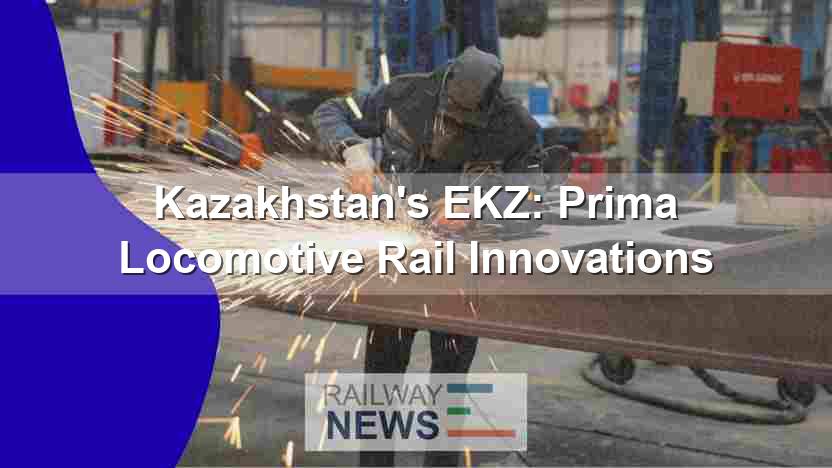
This article examines the strategic significance of EKZ’s commencement of on-board transformer production for Prima electric locomotives in Kazakhstan. The establishment of this manufacturing capability represents a crucial step in the localization of railway technology and its impact on Kazakhstan’s industrial development. We will explore the collaboration between Alstom and Transmashholding within the EKZ joint venture (JV), analyzing the implications for local employment, technological advancement, and the potential for future export opportunities. Additionally, the broader context of this development within Alstom’s global strategy and its commitment to building local capacity in various regions will be considered. This case study illustrates a successful model of technology transfer and industrial partnership, offering valuable insights into the challenges and benefits of such initiatives within the global railway sector.
The EKZ Joint Venture and On-Board Transformer Production
EKZ, a joint venture between Alstom (75% stake) and Transmashholding (25% stake), represents a significant investment in Kazakhstan’s railway infrastructure. The commencement of on-board transformer manufacturing for Prima electric locomotives, a key component of the locomotive’s electrical system, signifies a major milestone. This production, located at the EKZ factory in Astana, Kazakhstan, is projected to yield approximately 300 transformers annually, employing approximately 100 personnel at full capacity. This localized production reduces reliance on foreign suppliers, fostering greater self-sufficiency within the Kazakhstani railway system and showcasing the success of technology transfer initiatives.
Economic and Industrial Impacts
The establishment of on-board transformer production at EKZ has far-reaching economic and industrial consequences for Kazakhstan. Beyond the direct creation of approximately 100 jobs, the initiative stimulates growth within the broader machinery-building industry. The transfer of Alstom’s technological expertise facilitates the development of local skills and expertise, creating a sustainable foundation for future growth. Moreover, the project underscores Kazakhstan’s commitment to modernizing its railway network, enhancing operational efficiency and contributing to the country’s overall economic development. The successful localization of this critical component represents a step towards greater national self-reliance in the railway sector.
Strategic Partnerships and Global Expansion
The partnership between Alstom and Transmashholding within EKZ exemplifies a successful model of international collaboration in the railway industry. Alstom’s significant investment showcases its long-term commitment to the Kazakhstani market, while Transmashholding’s participation provides valuable local market knowledge and expertise. This collaborative approach facilitates technology transfer and capacity building, leading to the creation of a sustainable manufacturing base. Additionally, Alstom’s ambition to expand EKZ’s production capacity for potential global exports, beginning with neighboring countries, demonstrates the far-reaching impact of this strategic partnership and its potential for regional development.
Alstom’s Broader Global Strategy
The EKZ initiative is part of Alstom’s larger global strategy of establishing local manufacturing capabilities in various regions. This approach allows Alstom to better serve its customers while simultaneously contributing to the economic development of host countries. The recent opening of Africa’s largest train manufacturing facility in South Africa further underscores Alstom’s commitment to this strategy. By investing in local production, Alstom not only reduces transportation costs and lead times but also cultivates long-term relationships with local partners and fosters the growth of a skilled workforce within the railway sector. This localized approach enables quicker response times to regional needs and contributes to sustainable development in the rail infrastructure.
Conclusion
The commencement of on-board transformer production at EKZ marks a significant achievement for both Alstom and Kazakhstan. The successful localization of this crucial component for Prima electric locomotives signifies a considerable step towards enhancing Kazakhstan’s railway infrastructure and its industrial capabilities. The joint venture between Alstom and Transmashholding has proven to be a highly effective model for technology transfer and capacity building, resulting in the creation of local jobs, the development of expertise within the machinery-building sector, and the potential for future export opportunities. The project’s success is a testament to the benefits of strategic partnerships between international corporations and local entities in driving sustainable economic development. Additionally, this initiative underscores Alstom’s broader global strategy of establishing local manufacturing capabilities, a model that fosters economic growth and strengthens its position within the global railway market. The long-term implications of this venture are significant, pointing towards a future of greater self-sufficiency for Kazakhstan’s railway system and a strengthened partnership between Alstom and its local partners. This case study provides a valuable template for similar initiatives in other regions seeking to modernize their railway networks and foster sustainable industrial growth.

Railway infrastructure, rolling stock and transport technologies specialist focused on global rail industry developments, high-speed rail systems, signaling technologies and freight transportation. Covering railway investments, public transport modernization, rail operations and international mobility projects across Europe, Asia and North America.
RELATED POSTS

September 6, 2026 5:19 am
Hitachi delivered Taiwan's first N700ST high-speed train from Japan in...

September 5, 2026 4:19 pm
CPK launched formal tender talks with four consortia to design...

September 5, 2026 7:14 pm
HS2 Ltd signed renegotiated civils contracts with EKFB and Align...

September 6, 2026 4:12 am
Alstom delivered the first of 100 new G Class trams...

September 6, 2026 1:17 am
Hitachi Toshiba Supreme Consortium confirmed the first of 12 N700ST...
September 5, 2026 6:17 pm
Universal Signalling won a deal to install its U-Cross system...