
Kaohsiung’s Driverless Metro: Siemens CBTC Triumph

This article analyzes the significant contract awarded to Siemens Mobility and its partners for the implementation of a state-of-the-art communications-based train control (CBTC) system for the Kaohsiung Yellow Line metro in Taiwan. The project showcases a substantial advancement in automated train operation, highlighting the increasing global adoption of sophisticated signaling technologies to enhance efficiency, safety, and passenger experience within urban rail networks. We will explore the technical specifications of the chosen CBTC system, including its Grade of Automation (GoA) level, the integration with existing infrastructure, and the anticipated benefits for the city of Kaohsiung. Furthermore, the article will discuss the broader implications of this project for the future of automated rail transit systems worldwide, considering its potential to serve as a model for similar initiatives in other rapidly developing urban centers.
The Kaohsiung Yellow Line: A Driverless Metro Project
The Kaohsiung Yellow Line project represents a significant investment in modernizing Taiwan’s public transportation infrastructure. This 22.8km driverless metro line will encompass 23 stations, serving over 40% of Kaohsiung’s population, and connecting key districts, universities, and schools. The project’s ambition extends beyond mere transportation; it aims to enhance urban connectivity and improve the overall quality of life for residents. The line’s design incorporates 22 underground stations and a single elevated station, demonstrating careful planning to integrate seamlessly with the existing urban landscape.
Siemens Mobility’s CBTC Solution and GoA4 Functionality
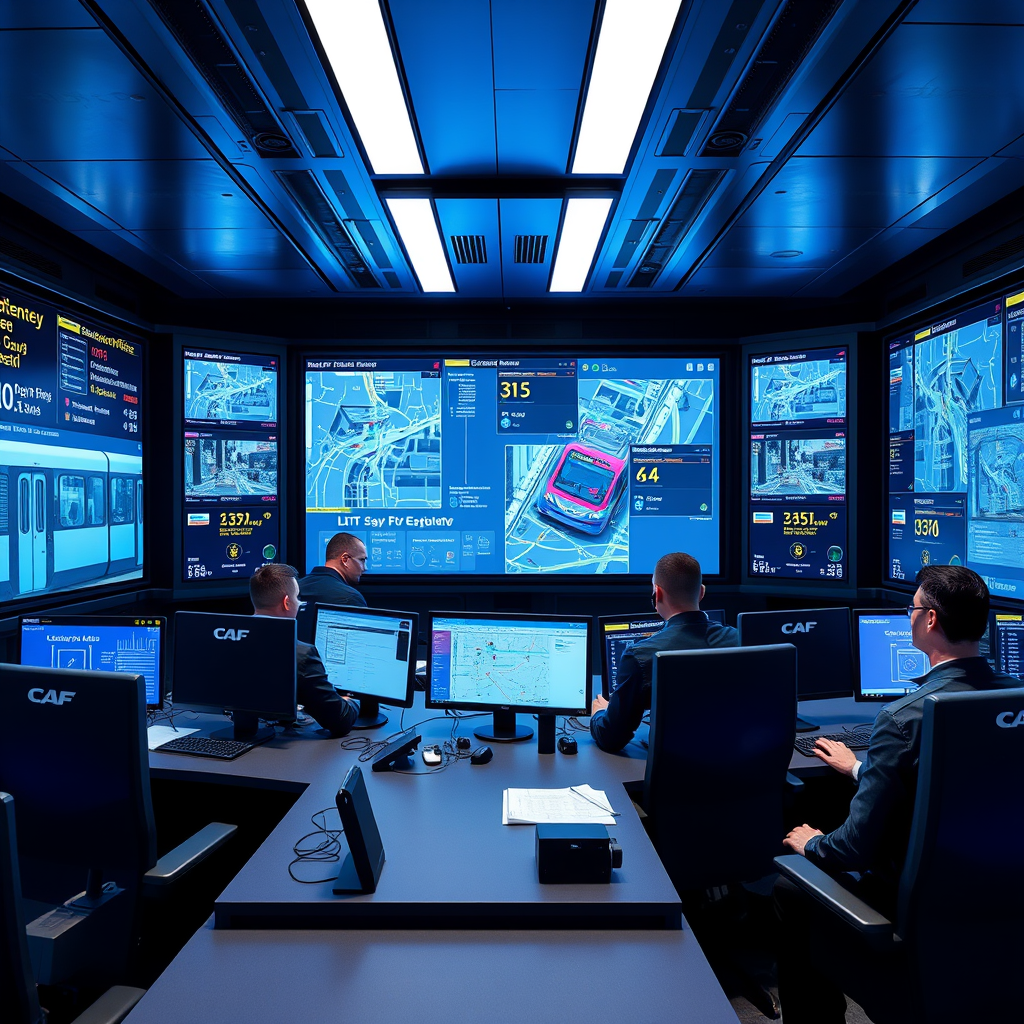
Siemens Mobility, in collaboration with ST Engineering and Stadler, will implement its cutting-edge CBTC (Communications-Based Train Control) signaling system, featuring GoA4 (Grade of Automation 4) functionality. This signifies fully automated, driverless operation, eliminating the need for human intervention in train control. The system’s sophistication relies heavily on sophisticated communication protocols to ensure precise train positioning, speed regulation, and collision avoidance. The adoption of GoA4 represents a significant leap in railway automation, maximizing operational efficiency and enhancing safety protocols.
Furthermore, the integration of Siemens Mobility’s Airlink radio communication system is crucial for seamless communication between wayside and onboard signaling equipment. This robust communication infrastructure is essential for the reliable and safe operation of the driverless trains. The Airlink system ensures the continuous and uninterrupted flow of data, facilitating real-time monitoring and control of train operations.
Integration with Existing Infrastructure and Future Expansion
A key aspect of the Yellow Line project is its seamless integration with the existing Kaohsiung Red and Orange Lines, both previously implemented by Siemens Mobility. This ensures a cohesive and unified transport network, facilitating convenient transfers for passengers and optimizing overall system efficiency. The successful integration of new systems with pre-existing infrastructure will be a significant factor in the overall success of the project, providing a blueprint for future metro expansion projects.
Project Timeline and Expected Outcomes
The project is slated for phased implementation. Phase one, encompassing 13 stations and a depot, is targeted for completion by December 2030, with full operational capacity across the entire route expected by January 2034. The successful completion of this project is anticipated to significantly improve the city’s transportation infrastructure, reducing congestion, enhancing mobility, and fostering economic growth. The anticipated benefits include improved punctuality, enhanced availability, and a superior passenger experience, all achieved through the utilization of advanced digitalized and automated signaling technologies.
Conclusion
The Kaohsiung Yellow Line project exemplifies a significant step forward in urban rail transportation. The adoption of Siemens Mobility’s CBTC system with GoA4 functionality underscores a global trend towards automated driverless train operations, enhancing safety, efficiency, and the overall passenger experience. The successful integration of this advanced signaling technology with the existing metro network showcases the feasibility of expanding and modernizing existing systems while maintaining operational continuity. The project’s phased implementation, along with the projected completion date, offers a clear roadmap for achieving its ambitious goals. The long-term impacts are significant, promising improved transportation accessibility for a large segment of the Kaohsiung population, stimulating economic activity, and establishing a model for future similar projects globally. The seamless transfer capability between the Yellow Line and the existing Red and Orange lines further solidifies the project’s strategic importance within the city’s overall transport strategy. The use of technologies like Airlink radio communication systems highlights the importance of robust communication networks in supporting the reliable and safe operation of automated train systems. In conclusion, the Kaohsiung Yellow Line project not only upgrades Kaohsiung’s transportation infrastructure but also serves as a compelling case study demonstrating the benefits of advanced signaling technologies and driverless operation in modern urban rail networks, potentially influencing future developments worldwide.
RELATED POSTS
April 24, 2025 6:08 pm
Introduction The integration of robust cybersecurity measures into modern light...
March 15, 2023 3:57 pm
This article explores the strategic implementation of additive manufacturing (3D...

Europe, High Speed Railways, HSR, Hungary, Infrastructure, News, Past Railway News, Projects, Serbia
November 27, 2015 8:09 pm
The governments of China and Hungary have signed an agreement...
December 5, 2019 6:39 pm
This article examines the significant contract awarded to the WEGH...
March 25, 2017 12:02 am
"GO Transit's expansion rolls on! New trains are enhancing passenger...
January 10, 2016 3:28 pm
German’s Siemens company is ready to help Iran to improve...