
Kansas City Streetcar Soars: Ridership Doubles After Extension
Kansas City Streetcar ridership explodes after its Main Street extension, with over 340,000 passenger trips. This success offers a blueprint for urban transit expansion.
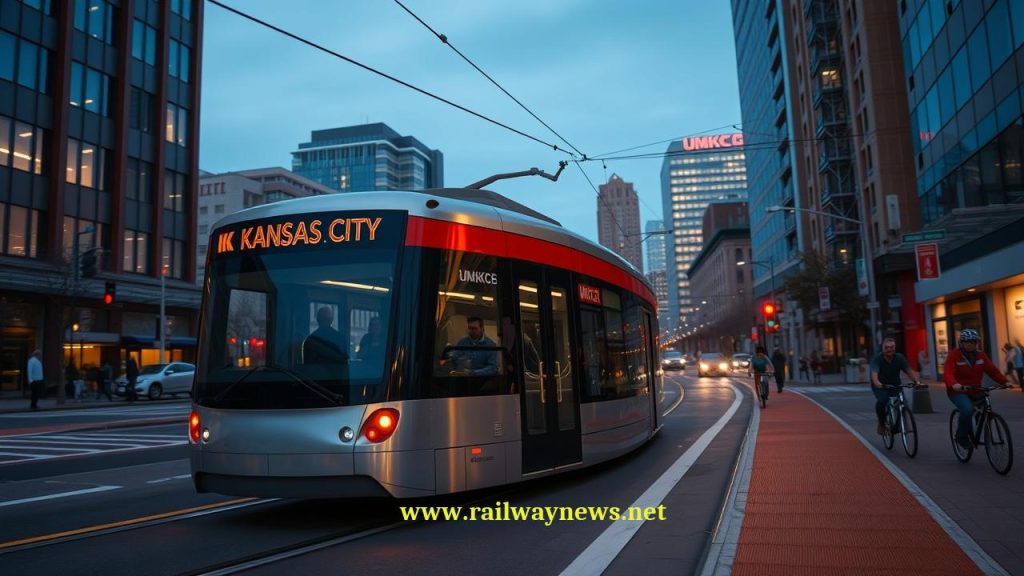
Kansas City, MO – Ridership on the Kansas City Streetcar has more than doubled, shattering all previous records, following the successful launch of its 3.5-mile Main Street extension on October 24. The system logged an unprecedented 341,922 passenger trips in November, demonstrating immediate and overwhelming public demand for expanded light-rail service connecting the city’s key urban nodes.
| Category | Details |
|---|---|
| Project | KC Streetcar – Main Street Extension |
| Operator | KC Streetcar Authority |
| Extension Length | 3.5 miles (5.6 km) |
| New Stations | 16 |
| Record Ridership | 341,922 (November) |
| Key Feature | Integration with major cycling networks |
The free-to-ride light-rail service saw its November 2025 ridership figures soar to two-and-a-half times those recorded in November 2024, marking the highest monthly total in the system’s history. The dramatic surge is a direct result of the new extension, which seamlessly connects the previous terminus at Union Station with the bustling University of Missouri-Kansas City (UMKC) campus. Since the launch, average weekday ridership has jumped from 4,000 to 10,000 daily passengers, while weekend demand has doubled from approximately 7,000 to 14,000 trips per day.
To manage this new operational reality, the KC Streetcar Authority has significantly increased service levels, boosting the number of streetcars in daily operation to seven or eight vehicles. During peak demand periods, the authority reports that up to nine streetcars are now active across the expanded system. This operational scale-up is complemented by a strategic focus on multi-modal integration. According to Tom Gerend, executive director of the KC Streetcar Authority, new stops like the one at Armour Boulevard are designed to be part of the “east-west bike spine of our bike network,” connecting with protected cycletracks and enhancing first- and last-mile connectivity for passengers.
The resounding success in Kansas City provides a compelling case study for other American cities currently navigating the complex landscape of light-rail development. While cities like Austin, Texas, face high costs and extended federal review processes for new lines, Kansas City’s phased, strategic expansion demonstrates a model for generating strong public buy-in and proving transit viability. The immediate and sustained ridership growth validates the extension’s route and underscores the latent demand for reliable, accessible public transportation in mid-sized US urban centers.
Key Takeaways
- Explosive Ridership Growth: Daily passenger trips more than doubled immediately following the extension, confirming significant pent-up demand for transit along the Main Street corridor.
- Strategic Network Expansion: The new 3.5-mile extension successfully connects downtown Kansas City with major institutions like the University of Missouri-Kansas City, creating a vital north-south transit spine.
- Multi-Modal Success: The project’s integration with Kansas City’s growing network of bike lanes is a key factor, enhancing accessibility and positioning the streetcar as a central piece of a larger urban mobility ecosystem.
Editor’s Analysis
The Kansas City Streetcar’s achievement is more than a local success story; it’s a powerful proof-of-concept for the global rail industry, particularly for mid-sized cities in developed nations. By coupling a fare-free model with a data-driven, phased expansion that connects high-value destinations, Kansas City has created a potent formula for urban revitalization and mode-shift away from automobiles. This project challenges the narrative that light rail is only viable in dense, coastal megacities, offering a scalable and popular blueprint that transit authorities worldwide should study closely as they plan for a more sustainable urban future.
Frequently Asked Questions
How much did ridership increase on the KC Streetcar after the extension opened?
Average daily ridership more than doubled. Weekday trips increased from 4,000 to 10,000, and weekend trips grew from 7,000 to 14,000. The system set an all-time monthly record in November with 341,922 passenger trips.
What is the route of the new KC Streetcar extension?
The Main Street extension adds 3.5 miles of track and 16 new stops, extending the line south from its previous end at Union Station to the University of Missouri-Kansas City (UMKC).
Is the Kansas City Streetcar free to ride?
Yes, the article confirms the KC Streetcar is a free light-rail service, a key component of its high-ridership model.
RELATED POSTS

December 6, 2016 8:00 am
Finnish organisations Pöyry, YIT and VR Track are to implement...

May 19, 2025 4:09 pm
Northern Ireland Rail Network Set for Digital Overhaul with Actelis...

March 27, 2020 8:19 pm
This article explores the significant contract awarded to Alstom for...

November 11, 2025 11:54 pm
PolRegio's new contract secures five second-hand **DMUs** to modernize its...
April 2, 2020 2:29 pm
Introduction The railway industry faces constant challenges in maintaining safe...
July 21, 2019 12:44 am
Introduction This article explores the innovative “Riding Sunbeams” project, a...