
Jokeri Light Rail: Helsinki’s Collaborative Transit Success
The Jokeri Light Rail: a €386 million collaborative success story in Finnish rail infrastructure. Learn how this innovative alliance model delivered efficient, high-speed transit.
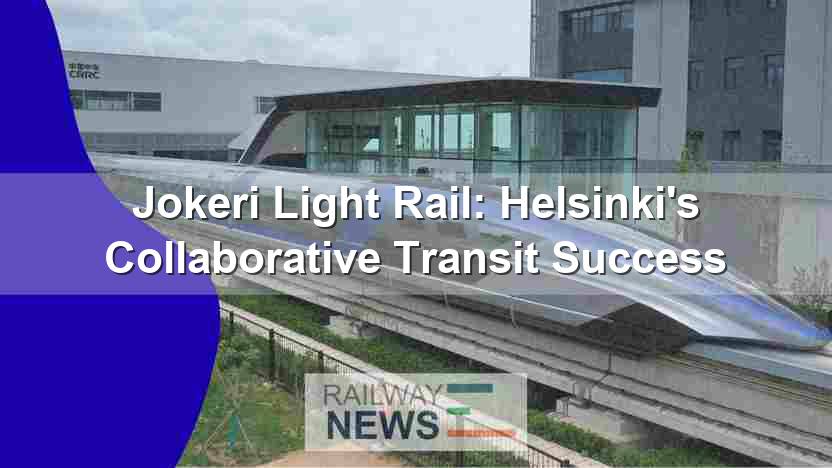
This article examines the successful bid by the NRC-YIT joint venture (JV) to construct the Jokeri Light Rail line in Finland. The project, valued at €386 million, represents a significant undertaking in Nordic rail infrastructure development. We will explore the project’s scope, the collaborative alliance model employed, the financial contributions of the participating cities, and the implications of this project for future light rail initiatives in the region. The analysis explores the strategic partnerships, innovative project management, and financial considerations that contributed to the project’s success, highlighting its potential as a model for future large-scale transit projects. The discussion will also consider the long-term impact of the Jokeri Light Rail on the transportation landscape of Helsinki and Espoo, focusing on improved commuter connectivity and reduced traffic congestion.
Project Scope and Significance
The Jokeri Light Rail line will provide a crucial high-speed transit link between Itäkeskus in Helsinki and Keilaniemi in Espoo, significantly improving inter-city transportation for commuters. The project’s scale, a record for NRC Group Finland, underscores its importance to the region’s infrastructure development. This new light rail line is expected to alleviate traffic congestion on existing road networks, decrease travel times, and enhance the overall public transportation experience for residents of both cities. The project demonstrates a commitment to sustainable transportation solutions and a forward-thinking approach to urban planning.
The Alliance Model: Collaboration and Shared Responsibility
The Jokeri Light Rail project utilizes a unique alliance model, a collaborative approach where the client organization comprises the cities of Helsinki and Espoo, along with the contractors (NRC and YIT) and consultants (Ramboll Finland, Sitowise, and NRC Group Finland). This model fosters a shared sense of responsibility and encourages proactive problem-solving throughout the project lifecycle. By integrating stakeholders from the outset, this approach aims to minimize disputes, improve communication, and ultimately deliver the project more efficiently and effectively. This collaborative approach promotes transparency and shared risk management, contributing to a more streamlined and successful project outcome.
Financial Aspects and City Contributions
The €386 million project cost is shared between Helsinki (€268 million) and Espoo (€118 million), reflecting the cities’ shared interest in the project’s success and the benefits it will bring to their residents. This financial commitment demonstrates the cities’ commitment to investing in sustainable public transit solutions and underscores the economic benefits of enhanced public transportation networks. The equitable distribution of costs among the involved municipalities demonstrates a strong commitment to efficient use of public funds and showcases a responsible approach to infrastructure financing.
Project Timeline and Expected Completion
Track construction commenced in June 2019, with project completion anticipated for June 2024. This timeline highlights the ambitious nature of the undertaking and the efficient project management strategies employed. The successful execution of this project within the established timeframe will be crucial for ensuring its timely impact on the region’s transportation network. Meeting these deadlines requires rigorous planning, effective resource allocation, and proactive risk management throughout the project’s duration.
Conclusions
The Jokeri Light Rail project represents a significant advancement in Nordic rail infrastructure development. The successful bid by the NRC-YIT JV, the utilization of an innovative alliance model, and the substantial financial contributions from Helsinki and Espoo demonstrate a collaborative commitment to improving public transportation. The project’s scale and scope, coupled with its strategic importance in alleviating traffic congestion and enhancing inter-city connectivity, highlight its significance for the region. The alliance model, uniting client organizations, contractors, and consultants, offers a framework for efficient project delivery and fosters a shared sense of responsibility. The equitable cost-sharing between the cities demonstrates a responsible and financially sustainable approach to large-scale infrastructure projects. The project’s successful completion will not only provide a modern, efficient light rail system but also serve as a benchmark for future collaborative rail infrastructure projects in Finland and beyond. The project showcases the power of strategic partnerships, effective project management, and a clear vision for enhancing urban mobility, positioning it as a leading example in sustainable transportation development. The successful implementation of the Jokeri Light Rail is likely to inspire similar initiatives in other urban areas facing similar transportation challenges, thereby contributing to the advancement of sustainable urban development worldwide. The anticipated positive impacts on commuting times, traffic flow, and overall quality of life for residents of Helsinki and Espoo make this project a considerable success and a valuable contribution to the region’s infrastructure.

Railway infrastructure, rolling stock and transport technologies specialist focused on global rail industry developments, high-speed rail systems, signaling technologies and freight transportation. Covering railway investments, public transport modernization, rail operations and international mobility projects across Europe, Asia and North America.
RELATED POSTS

October 5, 2026 6:12 pm
AECOM and Jacobs secured a contract in September 2026 to...

October 4, 2026 11:08 pm
Sound Transit confirmed the September 30 opening of Seattle Pinehurst...
October 6, 2026 9:17 am
Illinois approved $1.1M in state funds to upgrade two McHenry...
October 6, 2026 12:16 am
FTA awarded $233 million in grants to eight US rail...
October 5, 2026 3:13 pm
DART launched a 90-day fare enforcement pilot across 5 light-rail...
October 6, 2026 12:12 pm
Amey secured an eight-year contract from Irish Rail to design,...