
JMP Proposes Sustainable Railway Station Upgrade
JMP proposes a sustainable station upgrade, avoiding demolition. The design, backed by heritage leaders, offers a low-carbon approach to railway station improvements.
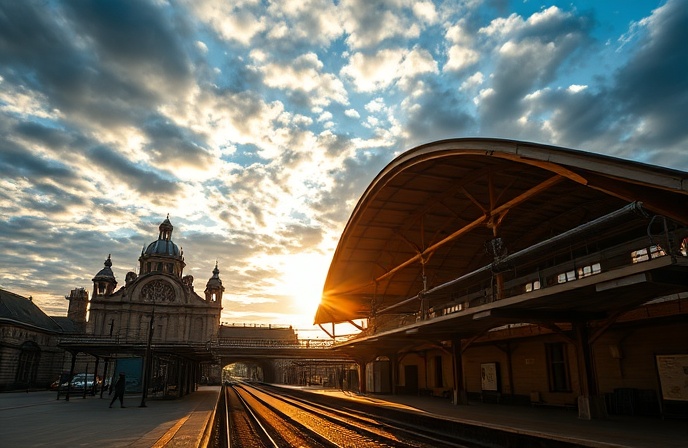
A groundbreaking new proposal from JMP offers a sustainable, low-carbon alternative for station upgrades, promising significant capacity and passenger experience improvements without the need for extensive demolition or high-rise developments. This innovative design, which has garnered support from sustainability and heritage leaders, presents a viable and deliverable solution that could reshape the future of railway station regeneration.
| Key Entity | Critical Detail |
|---|---|
| Proposing Firm | JMP |
| Core Action | Submitted alternative station upgrade proposal |
| Key Innovation | Low-profile vaulted structure with cross-laminated timber workspace, preserving historic platform roofs. |
| Supporters | Sir Tim Smit, sustainability and heritage leaders |
| Call to Action | Urging Network Rail to pause existing planning for proper consideration. |
JMP’s proposal directly addresses the long-standing need for enhanced capacity, accessibility, and passenger experience at the station, asserting that these critical improvements can be realized through a far less disruptive and more environmentally conscious approach. Unlike the current scheme, which necessitates extensive demolition and the construction of 20-storey towers, JMP’s design eschews such drastic measures, offering a vision of sensitive redevelopment.
A Sensitive, Technically Robust, and Low-Carbon Approach
In a detailed news release, JMP articulated its design philosophy, describing it as a “sensitive, technically robust and low-carbon approach.” The inspiration for the new design draws from a dual source: the timeless elegance of classic railway architecture and the sophisticated geometric principles evident in the 1990 SOM building located in Exchange Square. This fusion of historical appreciation and modern engineering underpins the entire concept.
Innovative Structural Design
At the core of JMP’s proposal lies a distinctive low-profile vaulted structure, strategically positioned over the northern end of the platforms. Engineered in collaboration with Expedition, the innovative concept involves suspending nine floors of cross-laminated timber (CLT) workspace from a lightweight steel frame. This engineering marvel eliminates the need for internal columns, thereby ensuring that the integrity and historical character of the existing platform roofs remain entirely undisturbed. The structure is further enhanced by a high-quality, sustainable façade, which not only contributes to the building’s environmental credentials but also provides significant new public benefits, though specific details of these benefits are to be elaborated upon.
Last June 2025, we published an article about Renfe’s cutting-edge Aranjuez maintenance hub. Click here to read – Future of Rail: Renfe’s Railway Technology Hub, Aranjuez: Essential Guide
Industry Endorsement and Future Implications
The proposed scheme has reportedly received strong endorsement from prominent figures such as Sir Tim Smit, alongside other leading voices in sustainability and heritage preservation. These stakeholders view JMP’s proposal as a significant breakthrough in a dialogue previously dominated by the destructive potential of demolition and the scale of large-scale commercial development. In contrast, JMP’s scheme is presented as a viable, deliverable solution that actively aligns with the spirit of innovation being celebrated during the 200th anniversary year of the railways. The company, in conjunction with its partners, is formally calling for Network Rail to pause the current planning process to allow this alternative proposal to undergo thorough and proper consideration, citing the significant public and environmental advantages it offers, particularly in light of assessments suggesting the existing scheme is “not technically viable.”

Railway infrastructure, rolling stock and transport technologies specialist focused on global rail industry developments, high-speed rail systems, signaling technologies and freight transportation. Covering railway investments, public transport modernization, rail operations and international mobility projects across Europe, Asia and North America.
RELATED POSTS

September 6, 2026 5:19 am
Hitachi delivered Taiwan's first N700ST high-speed train from Japan in...

September 5, 2026 4:19 pm
CPK launched formal tender talks with four consortia to design...

September 5, 2026 7:14 pm
HS2 Ltd signed renegotiated civils contracts with EKFB and Align...

September 6, 2026 4:12 am
Alstom delivered the first of 100 new G Class trams...

September 6, 2026 1:17 am
Hitachi Toshiba Supreme Consortium confirmed the first of 12 N700ST...

September 6, 2026 6:17 am
Hungary ordered a national ban on most freight trains from...