
Ivy Station: Future Rail Trends – Sustainable Transport
Optimize railway infrastructure for greater efficiency and sustainability. Learn how advanced technologies and eco-friendly practices transform your network. Discover how!

Optimizing Railway Infrastructure for Enhanced Efficiency and Sustainability
This article delves into the crucial aspects of optimizing railway infrastructure to achieve heightened efficiency and sustainability. Modernizing existing rail networks and designing new ones demands a holistic approach, considering environmental impact, operational costs, and passenger experience. From advanced signalling systems to sustainable construction materials, we’ll explore innovative solutions that can transform the railway landscape. The focus will be on integrating technological advancements and environmentally conscious practices to build robust, resilient, and eco-friendly rail networks. Ultimately, this analysis aims to provide a framework for decision-makers and industry professionals to create more efficient, sustainable, and user-friendly rail systems, highlighting the crucial role of well-planned infrastructure in enhancing overall public transportation networks. The discussion encompasses crucial elements such as infrastructure design, operational strategies, and technological advancements driving these improvements.
Infrastructure Design for Enhanced Efficiency
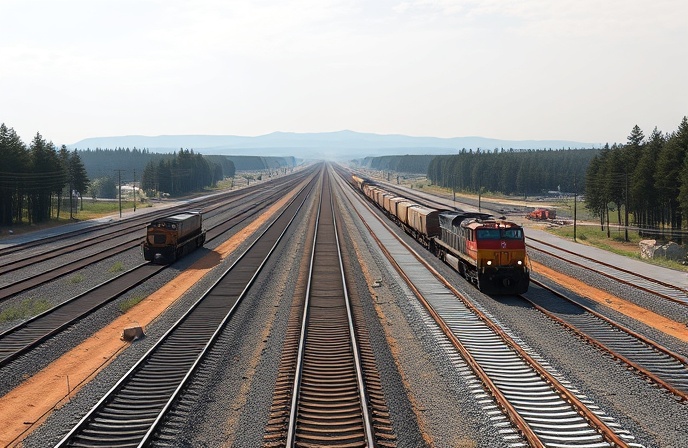
A key element in optimizing railway performance lies in the careful design and construction of infrastructure. Precise alignment and grade optimization are paramount to minimizing friction and maximizing speed. Strategic tunnel placements and bridge constructions can alleviate terrain challenges while enhancing operational efficiency and minimizing disruptions. The selection of appropriate track materials, considering factors like load capacity and maintenance needs, is crucial. Advanced design software and computational modelling techniques enable engineers to simulate and optimize various design parameters, ensuring maximum strength and longevity of the tracks while minimizing environmental impact. This chapter emphasizes the importance of meticulous planning, incorporating factors like material science, geotechnical considerations, and future scalability for enhanced adaptability.
Technological Advancements Driving Operational Excellence
The integration of cutting-edge technology has a profound impact on railway operations. Advanced signalling systems, such as those employing automatic train control (ATC) and positive train control (PTC), significantly enhance safety and reduce delays. Real-time tracking and dispatching systems allow for precise schedule adherence and optimized resource allocation. Data analytics plays a crucial role in identifying operational bottlenecks and predicting potential issues. These technologies enhance safety, improve scheduling accuracy, and reduce operating costs significantly. The use of smart technologies can further improve the punctuality of railway services, improve communication, and ultimately provide a better experience for passengers.
Environmental Sustainability in Railway Construction
Modern railway construction projects must prioritize sustainability. Utilizing eco-friendly construction materials, such as recycled aggregates and sustainably sourced timber, can reduce the environmental footprint. Minimizing noise pollution during construction through noise barriers and optimized machinery usage is crucial. Moreover, careful consideration of water management and waste disposal procedures can protect surrounding ecosystems. Incorporating green spaces and biodiversity considerations into the design phase will contribute to a healthier environment for both present and future generations. A comprehensive assessment of environmental impact must be integral to the planning process. This demonstrates a commitment to reducing the project’s carbon footprint and preserving ecological balance.
Ivy Station and the Future of Urban Rail Transit
Ivy Station, a prime example of modern railway design, exemplifies the integration of these concepts. The station’s innovative architecture not only serves as a practical transit hub but also incorporates sustainable elements, reflecting a commitment to the long-term vision for urban mobility. Its integration with local community development initiatives and the use of renewable energy sources reinforces the profound link between rail infrastructure and sustainable development. Ivy Station demonstrates the potential for railway projects to catalyze positive changes within the surrounding communities, enhancing connectivity and facilitating social equity. It showcases how transportation systems can play a critical role in urban development. By combining cutting-edge technology with sustainable practices, the Ivy Station design showcases a blueprint for future railway projects worldwide, emphasizing connectivity and environmental consciousness.
Conclusions
Optimizing railway infrastructure for enhanced efficiency and sustainability requires a multi-faceted approach, encompassing careful design, technological advancements, and environmental considerations. By prioritizing infrastructure that minimizes environmental impact, incorporating advanced technologies, and ensuring operational efficiency, we can create railway systems that are not only functional but also environmentally responsible and socially beneficial. The seamless integration of technology, like advanced signaling, real-time tracking, and efficient dispatching systems, is essential. The selection of sustainable materials during the construction phase is crucial to the long-term environmental impact. Furthermore, the development of sustainable transportation systems like Ivy Station is key to promoting regional connectivity and fostering sustainable growth. Ultimately, this holistic approach ensures that railway infrastructure serves both current and future generations. By embracing these principles, railway systems can evolve from mere transportation routes to integral components of vibrant, sustainable urban landscapes. The combination of infrastructure optimization, technological innovation, and a commitment to sustainable practices are fundamental to shaping a positive future for railway systems.
You might be interested in:
Last February 2019, we covered how high-speed rail in Texas can be designed for sustainability. Click here to read – Texas High-Speed Rail: Ecology & Sustainability
RELATED POSTS

May 24, 2025 8:07 pm
Omnevo’s Order-to-Seat Technology Wins Innovation Award, Redefining Onboard Rail Retail...
August 22, 2018 6:40 am
GE's advanced C23EMP locomotives are revolutionizing Chilean rail! Discover...
February 14, 2023 10:01 am
The High Speed Two (HS2) project, Europe’s largest infrastructure undertaking,...

September 17, 2009 7:07 am
Indian Railways is seeking $475m in bank loans to purchase...
September 28, 2025 4:54 am
**The Port of Longview secures a $35.9M TIFIA loan to...

August 2, 2025 12:33 am
WTS International names Malika Reed Wilkins as new CEO, focusing...