
Indonesia’s Rail Upgrade: 38 EMUs & Strategic Partnerships
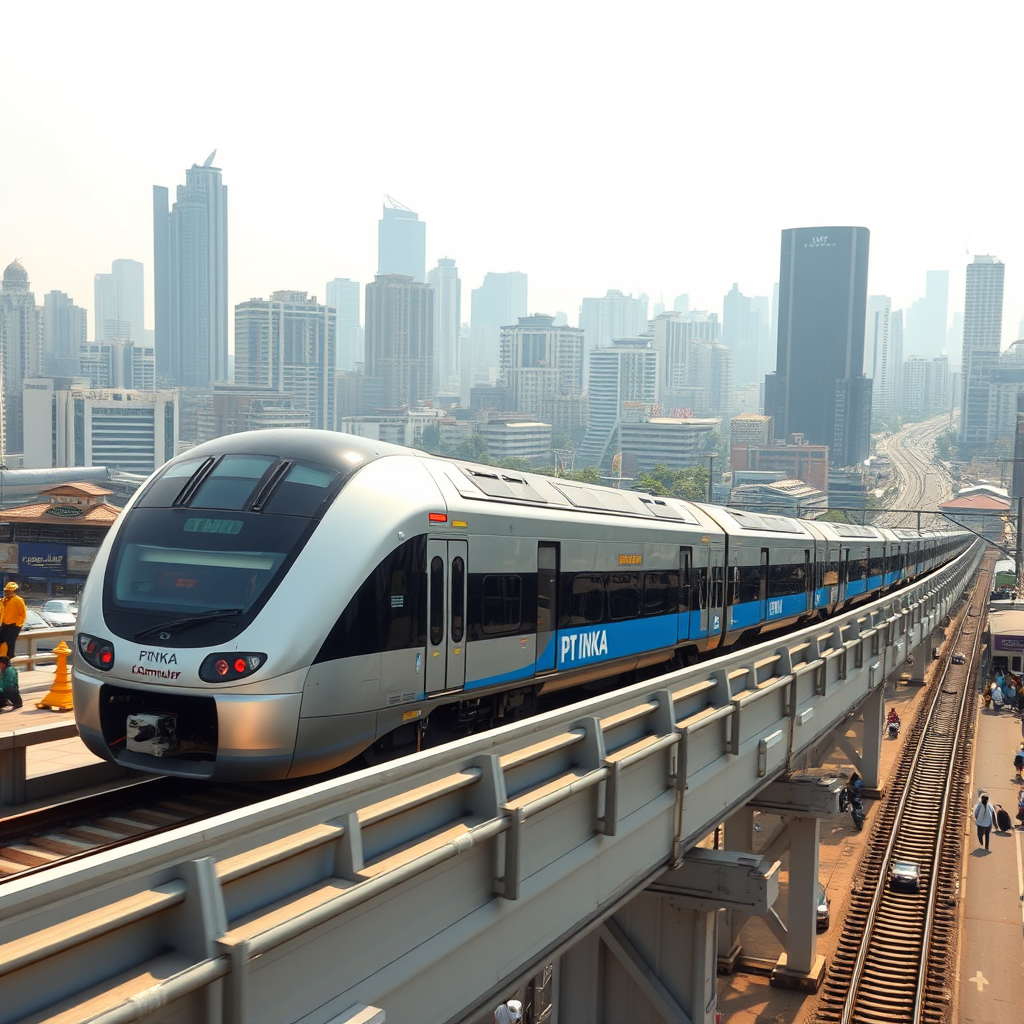
This article analyzes the recent acquisition of 38 new and refurbished Electric Multiple Units (EMUs) by PT Kereta Commuter Indonesia (KAI Commuter), Indonesia’s national commuter rail operator, focusing on the strategic implications of this procurement. The decision to procure these EMUs, which includes both domestically produced and imported units, is crucial for KAI Commuter’s ambitious expansion plan to increase daily ridership on its Jabodetabek Commuter Line (Greater Jakarta area) to 2.5 million by 2025. This significant increase from the current average of 880,000 daily users necessitates a substantial upgrade to the existing rolling stock and infrastructure. The procurement process itself, involving international and domestic bids, highlights the evolving dynamics of the Indonesian railway market and its engagement with global players in the rail industry. The article will dissect the various factors influencing KAI Commuter’s decision, including technical specifications, delivery timelines, cost-effectiveness, and the broader geopolitical landscape of international rail technology partnerships. Finally, it will examine the implications of this choice on the future of Indonesia’s railway modernization efforts.
Domestic Manufacturing and Technological Advancement
A significant portion of the order (16 new and 19 refurbished EMUs) went to PT INKA, Indonesia’s state-owned rolling stock manufacturer. This demonstrates a commitment to supporting domestic industry and fostering technological development within the country. The acquisition of new KCI-SFC120-V series trainsets from PT INKA allows for the transfer of technology and expertise, boosting Indonesia’s capacity for future rail vehicle manufacturing. This strategy strengthens the country’s rail manufacturing sector and reduces reliance on solely foreign manufacturers. The refurbishment of existing trainsets, also sourced from PT INKA, extends the lifecycle of existing assets, saving costs and mitigating environmental impact associated with new material production.
International Collaboration and Strategic Partnerships
The selection of CRRC Sifang (China Railway Rolling Stock Corporation Sifang), a leading Chinese rolling stock manufacturer, for the remaining three EMUs is noteworthy. While J-TREC (Japan Transport Engineering Company) offered a lower price, CRRC Sifang’s adherence to KAI Commuter’s technical specifications and delivery schedule proved decisive. This decision reflects Indonesia’s strategic approach to international collaborations, acknowledging the need for reliable partnerships to fulfill the ambitious expansion goals. The choice highlights the increasing prominence of Chinese firms in the global rail market and the competitive landscape in providing rolling stock and related services to emerging economies. It underscores the necessity for railway companies to rigorously evaluate different suppliers based on factors beyond just price.
Financing and Investment Strategies
The Rp6.8trn ($437m) investment demonstrates the substantial financial commitment required to modernize Indonesia’s railway infrastructure. The funding, a blend of KAI Commuter’s internal loans, shareholder loans from parent company PT KAI, and government support through State Equity Participation, exemplifies a multi-pronged financing strategy. This diverse funding approach mitigates risk and ensures that the project receives the necessary resources. Securing sufficient and sustainable funding is vital to complete the modernization program successfully, ensuring long-term viability and sustainability of the infrastructure improvement.
Ridership Growth and Infrastructure Capacity
The central aim of this procurement is to enhance the capacity of the Jabodetabek Commuter Line to meet the projected growth in daily ridership to 2.5 million passengers by 2025. The increased number of EMUs will significantly improve the frequency and reliability of commuter services, enhancing passenger experience and encouraging increased ridership. This expansion necessitates not only increased rolling stock but also improvements to the railway’s signalling, control, and other supporting systems. It highlights the interdependencies of various aspects of rail infrastructure and the need for holistic planning to ensure efficiency and operational effectiveness.
Conclusions
The procurement of 38 new and refurbished EMUs by KAI Commuter represents a pivotal step in the modernization of Indonesia’s railway system. The strategic decision to engage both domestic manufacturers like PT INKA and international players like CRRC Sifang underscores a balanced approach to achieving ambitious ridership goals while bolstering domestic technological capabilities. The success of this initiative hinges on several factors: efficient project management, effective integration of new rolling stock into the existing infrastructure, and the ability of KAI Commuter to sustainably manage the considerable financial investment. The multi-faceted financing approach, relying on internal resources and government support, showcases a commitment to long-term investment in Indonesia’s railway infrastructure. Furthermore, the choice of CRRC Sifang, despite competitive bids from Japanese manufacturers, highlights the increasingly globalized nature of the railway industry and the importance of a flexible, strategic approach to international collaboration. The ultimate success of this procurement will not only be measured by increased ridership on the Jabodetabek Commuter Line but also by its contribution to broader goals of sustainable economic growth and improved public transportation in Indonesia. The decision-making process illustrates a calculated balance between supporting domestic industry, ensuring technological advancement, and achieving efficient expansion of rail services. The future success of this initiative will depend upon not only the delivery of new rolling stock but also on effective integration within the broader rail infrastructure and a strategic approach to operations and maintenance. The scale of this endeavor underscores the commitment to upgrading Indonesia’s public transport network and improving the daily lives of millions of commuters.
RELATED POSTS

August 19, 2019 9:29 am
This article examines the Canadian government’s investment in two significant...
October 27, 2025 3:54 pm
LTG Infra awards new construction contracts for the **Rail Baltica...

March 12, 2010 8:03 am
The Government of Ghana and the China National Machinery Import...
October 15, 2023 3:06 pm
The recent inauguration of Brightline’s Orlando-Miami passenger rail service marks...
May 19, 2025 8:09 am
United States, May 2, 2025 The ambitious West Seattle Link...
July 28, 2025 7:33 am
Cologne orders €700M Stadler light rail fleet, boosting city's transport....