
Implenia’s East Link: Bibana-Nyköping Rail Contract
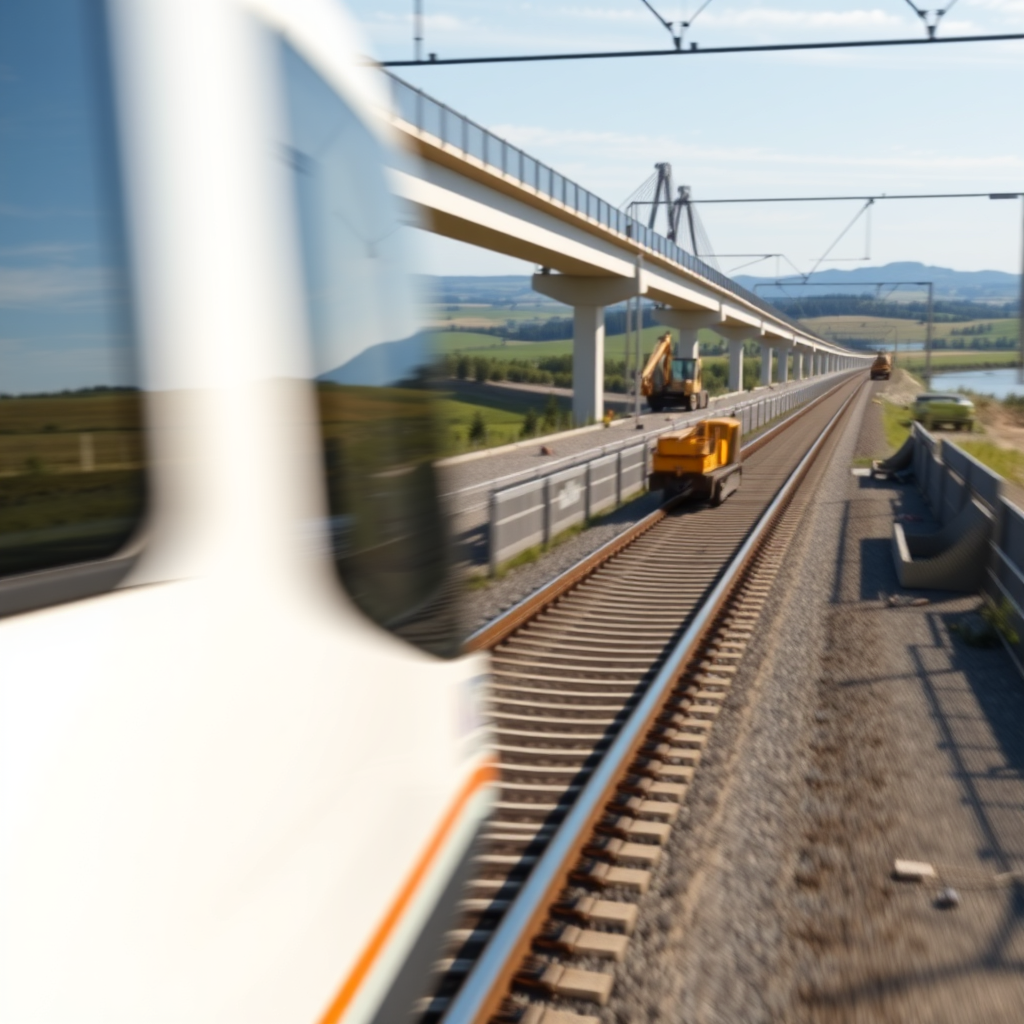
The Swedish railway network is undergoing significant modernization and expansion, exemplified by the ambitious East Link project. This initiative aims to dramatically improve rail connectivity along Sweden’s east coast, connecting Stockholm to various towns over a 160km stretch. This article delves into the recent awarding of a substantial contract to Implenia, a leading construction company, for a key section of the East Link, the Bibana-Nyköping section. We will explore the specifics of this contract, its implications for the overall East Link project, and the broader context of large-scale railway infrastructure development in Sweden, highlighting Implenia’s role and the technological and environmental considerations influencing such projects. Furthermore, we will examine Implenia’s recent successes in securing major railway contracts across Scandinavia, showcasing their expertise and market position within the sector. Finally, we will discuss the strategic partnerships employed in these mega-projects and their impact on efficient project delivery and overall cost management.
Implenia’s Contract for the Bibana-Nyköping Section
Implenia has been awarded a SFr130m ($146.8m) contract by Trafikverket (the Swedish Transport Administration) for the construction of the 8km Bibana-Nyköping section of the East Link railway. This section will connect the towns of Nyköping and Skavsta to the East Link’s double-track mainline. The project involves a wide range of tasks, including the construction of several bridges, laying of new railway tracks, the refurbishment of existing structures, and other related works. The project’s complexity necessitates expertise in various engineering disciplines, reflecting Implenia’s extensive capabilities in large-scale infrastructure projects. The anticipated completion date is 2031, underscoring the scale and long-term commitment involved in such undertakings.
Strategic Partnerships and Project Delivery
The East Link project utilizes an “early contractor involvement” approach, establishing a strategic partnership between Trafikverket and Implenia focusing on collaborative design and construction. This approach fosters a more integrated and efficient workflow, potentially leading to cost savings and improved schedule adherence. The benefits include early identification and mitigation of potential risks, improved communication and coordination, and a shared commitment to successful project delivery. This collaborative model contrasts with traditional approaches where the contractor primarily executes pre-defined designs, emphasizing a shared responsibility for project success from the outset.
Implenia’s Expanding Role in Scandinavian Railway Infrastructure
Implenia’s success in securing the Bibana-Nyköping contract is a testament to their established reputation and expertise in the railway sector. Their recent work includes a €40m ($43.4m) contract for the Ersmark Tunnel on the North Bothnia railway line and a SFr190m ($198m) contract for the construction of a 1,022m double-track prestressed concrete railway bridge at Tangenvika in Norway. These projects highlight Implenia’s versatility in handling diverse aspects of railway infrastructure development, ranging from tunneling and bridge construction to track laying and systems integration. This consistent track record of securing large-scale contracts strengthens their position as a key player in the Scandinavian railway market.
Technological and Environmental Considerations
Modern railway infrastructure projects are significantly influenced by technological advancements and environmental concerns. While the provided text doesn’t explicitly detail the specific technologies used in the East Link project, it’s reasonable to assume that modern signaling systems, centralized train control (CTC) systems, and potentially other intelligent transport systems (ITS) will be incorporated. Additionally, environmental sustainability is paramount. The use of electric locomotives contributes to reducing carbon emissions, aligning with Sweden’s broader environmental goals. Further considerations may include sustainable construction practices and minimizing disruption to the surrounding environment during the construction phase.
Conclusion
The Implenia contract for the Bibana-Nyköping section of the East Link railway represents a significant milestone in the modernization of Sweden’s railway infrastructure. This project, along with Implenia’s other recent contracts across Scandinavia, underscores the ongoing investment and development in rail transportation in the region. The strategic partnership approach adopted for the East Link project highlights a shift towards more collaborative and integrated project delivery models, aiming to optimize efficiency and minimize risks. The integration of modern technologies and a focus on environmental sustainability further demonstrate the evolving landscape of large-scale railway infrastructure development. The success of projects like the East Link is crucial for improving regional connectivity, boosting economic growth, and enhancing the overall quality of life for communities along the corridor. Implenia’s involvement, with its demonstrated expertise and commitment to sustainable practices, suggests a positive trajectory for this vital infrastructure project and the future of Scandinavian railways.
RELATED POSTS
April 1, 2026 12:10 pm
Alstom secured a €410 million contract from CFR SA to...
April 1, 2026 8:40 pm
BNSF Railway expands Galesburg, Illinois, yard capacity, with second hump...
April 1, 2026 4:31 pm
Network Rail upgraded Berrylands station platforms for £6 million, replacing...
April 1, 2026 6:21 pm
Federal Transit Administration awarded $20.6 billion in formula-based apportionments to...