
ICE 3neo: Germanys High-Speed Rail Revolution

This article explores the recent commissioning of the new ICE 3neo high-speed train by Deutsche Bahn (DB), focusing on its technological advancements, operational deployment strategy, and broader implications for the future of German and international high-speed rail. The introduction of the ICE 3neo represents a significant step forward in DB’s modernization efforts, showcasing a commitment to enhancing passenger experience and expanding high-speed rail networks. The analysis will delve into the train’s technical specifications, its planned operational routes, and the strategic partnerships underpinning its development and deployment. Furthermore, the article will discuss the broader context of this project within DB’s ambitious investment plans for its rolling stock and the evolving landscape of European high-speed rail. This case study offers valuable insights into the complexities of procuring, implementing, and operating modern high-speed rail systems, highlighting the technological innovations, logistical challenges, and strategic partnerships necessary for success.
The ICE 3neo: Technical Specifications and Innovations
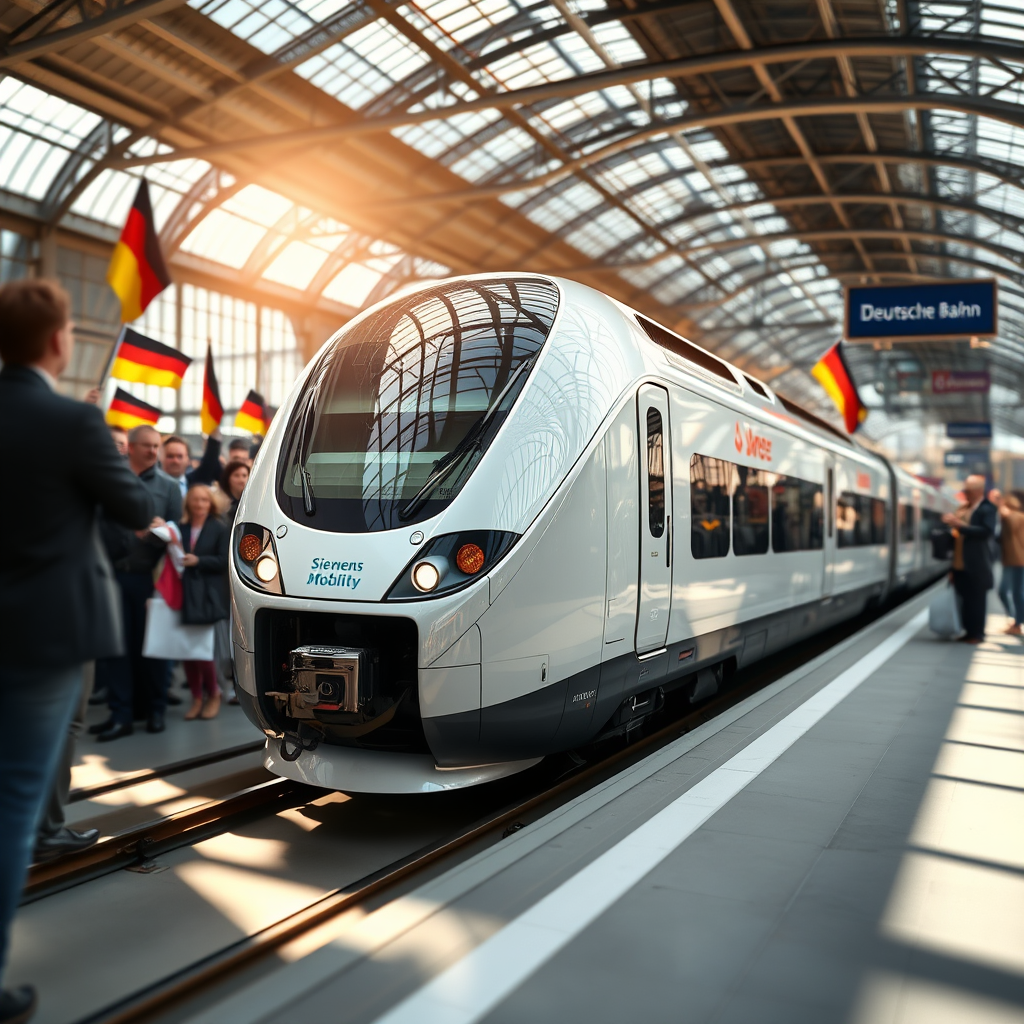
The ICE 3neo (Intercity-Express 3 new generation), manufactured by Siemens Mobility, is a significant upgrade over its predecessors. Its top speed of 300 km/h (approximately 186 mph) allows for swift travel between major German cities. Beyond speed, the ICE 3neo boasts several passenger-centric features. These include improved mobile phone reception thanks to specially designed window panes, adjustable lighting systems mimicking natural daylight cycles to enhance passenger comfort and wellbeing, and increased bicycle capacity with dedicated space for eight bicycles. Enhanced reservation displays with colored LED lights improve clarity and ease of use for passengers. The design reflects a conscious effort to incorporate passenger feedback and address modern travel needs.
Deployment Strategy and Operational Routes
Initially deployed on the Frankfurt/Main – Cologne route, the ICE 3neo’s service area will gradually expand. The planned expansion includes routes connecting Dortmund, Cologne, and Frankfurt/Main, as well as services to Munich utilizing the new high-speed Wendlingen–Ulm line. Looking ahead to 2024, the ICE 3neo is slated for international operation, with routes to Belgium and the Netherlands planned. This phased rollout allows DB to test and refine operations, gradually integrating the new train into its existing network and ensuring a smooth transition for both passengers and staff.
Strategic Partnerships and Investment
The ICE 3neo’s development and deployment are the result of a significant collaborative effort between DB and Siemens Mobility. In July 2020, Siemens Mobility secured a contract from DB for the supply of 73 ICE 3neo units by 2029, forming part of a larger €10 billion investment in new rolling stock by DB. This large-scale investment underscores DB’s commitment to modernizing its fleet and expanding its high-speed rail network. The speed of delivery, achieved despite incorporating numerous innovations, highlights the efficiency and effectiveness of the collaborative partnership between Siemens Mobility and DB.
Future Implications for High-Speed Rail
The successful commissioning of the ICE 3neo demonstrates the ongoing evolution of high-speed rail technology and the commitment of national railway operators to improving passenger experience and infrastructure. The train’s focus on passenger comfort, coupled with its high speed and planned expansion to international routes, positions it as a vital component of future European high-speed rail networks. The innovative features, such as improved mobile connectivity and adaptive lighting, set a new standard for passenger comfort and represent a broader trend towards enhancing the overall travel experience. Furthermore, the collaborative approach between DB and Siemens Mobility showcases the effectiveness of public-private partnerships in driving innovation and efficiently delivering major infrastructure projects.
Conclusion
The introduction of the ICE 3neo represents a significant milestone in the modernization of Germany’s high-speed rail network. This new train, built by Siemens Mobility for Deutsche Bahn, showcases a commitment to both technological advancement and improved passenger experience. The train’s speed, advanced features like improved mobile reception and adjustable lighting, and planned expansion to international routes demonstrates DB’s ambition to remain at the forefront of European rail travel. The rapid deployment of the ICE 3neo, facilitated by the strong partnership between DB and Siemens, serves as an example of efficient project management and collaborative innovation within the rail industry. The strategic investment of €10 billion in new trains underscores DB’s long-term commitment to sustainable and efficient transportation. The phased rollout and expansion to international routes showcase a well-considered approach to integration and optimization. The ICE 3neo is not merely a new train; it represents a significant step forward in high-speed rail technology, passenger comfort, and international collaboration within the rail sector. The project serves as a powerful example of how effective partnerships and significant investments can lead to tangible improvements in transportation infrastructure and passenger experience, setting a precedent for future high-speed rail developments across Europe and beyond.
RELATED POSTS
February 13, 2023 9:17 pm
This article explores the Inglewood Transit Connector Project, a significant...
June 10, 2025 11:00 pm
Illinois invests $3.8M in rail safety upgrades, focusing on Galesburg...

May 11, 2011 8:55 am
Azerbaijan is planning to extend the new Baku-Tbilisi-Kars railway line...
February 18, 2026 10:45 am
CHSRA completes its 150-acre Wasco logistics facility, including 10 miles...
July 1, 2021 1:57 am
The safety of level crossings (LCs) is paramount to the...
March 7, 2025 4:15 pm
Introduction This article explores the significant milestone achieved by Siemens...