
I Squared Capital’s Arriva Acquisition: Reshaping European Rail
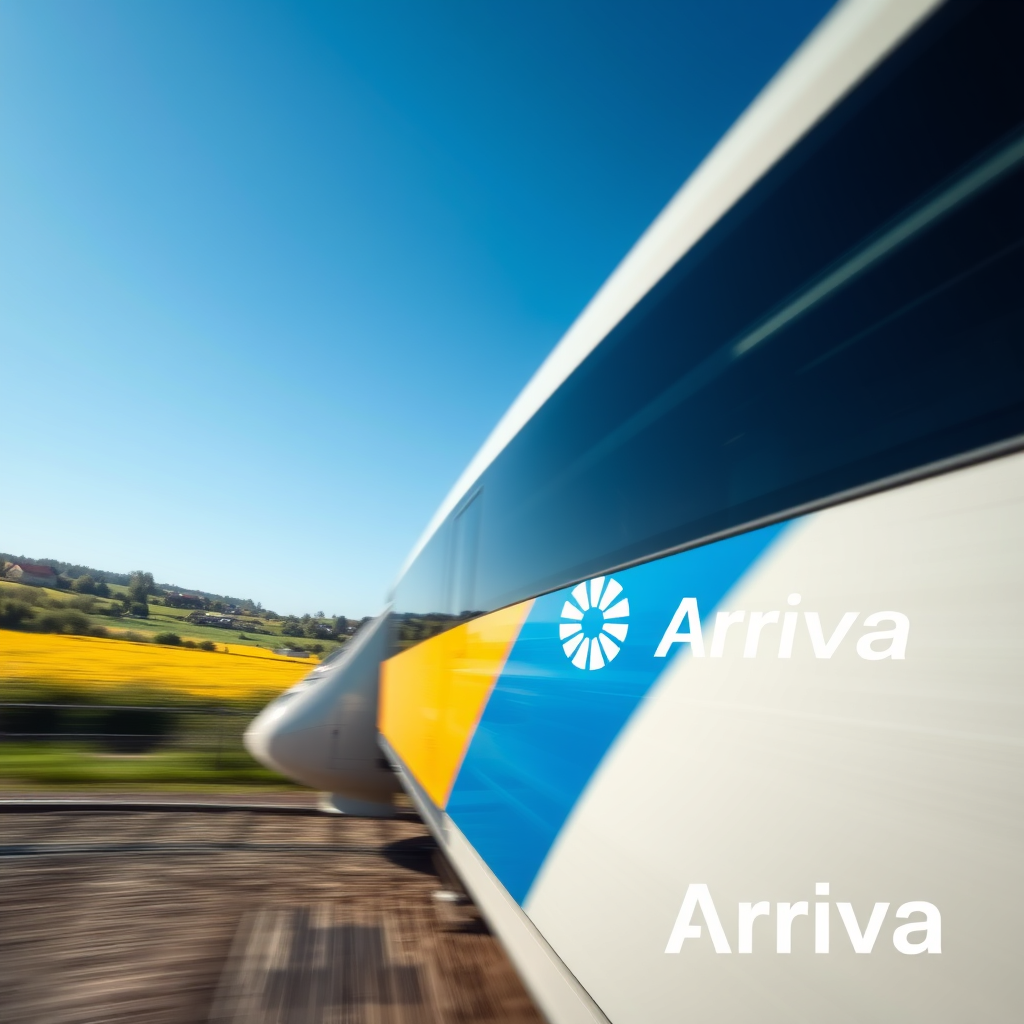
The I Squared Capital Acquisition of Arriva PLC: Implications for the European Rail Sector
This article analyzes the European Commission’s approval of I Squared Capital’s acquisition of Arriva PLC, a significant player in European passenger transportation. The approval, granted under the EU Merger Regulation using a streamlined review process, raises important questions about the future of the European rail industry, particularly concerning competition, investment strategies, and the integration of Intelligent Transportation Systems (ITS). The acquisition, valued at approximately $1.68 billion, represents a key development in the ongoing reshaping of the European rail landscape. We will explore the rationale behind the Commission’s decision, the strategic implications for I Squared Capital and Deutsche Bahn (DB), and the potential long-term effects on passengers and the overall competitiveness of European rail services. The discussion will also touch upon the increasing role of technology, such as centralized train control systems and cloud computing, in modernizing rail operations.
The European Commission’s Approval and its Rationale
The European Commission’s swift approval of the acquisition, utilizing the streamlined merger review method, suggests a lack of anticipated anti-competitive concerns. The Commission’s assessment centered on the premise that Arriva’s operations, primarily focused on bus and train passenger services, do not significantly overlap with I Squared Capital’s existing business activities. This determination highlights the Commission’s focus on maintaining a competitive marketplace within specific market segments. The absence of substantial horizontal or vertical integration concerns facilitated the quick approval process. While this approach may accelerate transactions, it is crucial to continuously monitor the market’s evolution post-acquisition to ensure the continued absence of anti-competitive behavior.
Deutsche Bahn’s Strategic Restructuring and the “Strong Rail” Initiative
The sale of Arriva by Deutsche Bahn (DB) forms a part of its broader “Strong Rail” strategy. This initiative aims to enhance operational efficiency, improve service quality, and expand capacity within its core rail network. By divesting non-core assets like Arriva, DB can focus its resources and expertise on strengthening its primary rail operations and investing in infrastructure upgrades. This strategic shift towards core competencies can lead to improved service reliability, enhanced customer satisfaction, and ultimately, a more robust and competitive railway system within Germany and potentially across Europe. The sale proceeds could also be reinvested in modernizing DB’s infrastructure and rolling stock, contributing to long-term improvements in efficiency and sustainability.
I Squared Capital’s Investment Strategy and Diversification
I Squared Capital, a global infrastructure investment firm, has a diversified portfolio spanning energy, utilities, communications, healthcare, and transportation. The acquisition of Arriva aligns with its strategy of investing in essential infrastructure assets. This acquisition allows I Squared Capital to expand its presence in the European transportation sector and benefit from the long-term growth potential of passenger transportation services. The company’s global reach and expertise in managing large-scale infrastructure projects could lead to significant improvements in Arriva’s operational efficiency and technological advancements, particularly in the adoption of Intelligent Transportation Systems (ITS). I Squared’s commitment to deploying cutting-edge technologies should lead to a more efficient and passenger-friendly service from Arriva.
The Future of European Rail and the Role of Technology
The I Squared Capital acquisition underscores the evolving landscape of the European rail sector, characterized by increasing privatization, technological advancements, and a focus on operational efficiency. The integration of Intelligent Transportation Systems (ITS), including centralized train control systems and cloud-based solutions, is becoming crucial for optimizing rail operations, enhancing safety, and improving passenger experience. The acquisition may stimulate further investment in these technological advancements within Arriva’s operations, positively impacting overall efficiency and sustainability. The long-term success of the acquisition will hinge on I Squared Capital’s ability to integrate Arriva effectively, leverage technological improvements, and maintain a competitive edge within a dynamic market. The impact on passengers will depend critically on the investments made in both infrastructure and the integration of passenger-focused ITS technologies.
Conclusions
The European Commission’s approval of I Squared Capital’s acquisition of Arriva PLC marks a significant development in the European rail landscape. The transaction, driven by Deutsche Bahn’s strategic restructuring and I Squared Capital’s diversification strategy, presents both opportunities and challenges. The Commission’s approval, based on a lack of foreseen anti-competitive consequences, highlights the ongoing evolution of the European rail market and the increasing role of private investment. The success of this acquisition will depend heavily on I Squared Capital’s ability to manage and improve Arriva’s operations, and to successfully integrate advancements in Intelligent Transportation Systems (ITS) to enhance efficiency and passenger satisfaction. The long-term impact will be determined by the effectiveness of its investment strategy, its ability to stimulate innovation in rail technology, and its contribution to a more competitive and passenger-centric European rail network. Continued monitoring of the market following this acquisition is essential to ensure the long-term benefits outweigh any potential downsides for passengers and the overall competitiveness of the European railway system. The strategic decisions made by I Squared Capital will play a pivotal role in shaping the future of rail transport across Europe, particularly regarding the integration of modern technology to improve efficiency and passenger experience. The integration of these cutting-edge technologies, including centralized train control systems and cloud-based solutions, presents a substantial opportunity to enhance safety, reliability, and the overall quality of rail services for passengers throughout the Arriva network.
RELATED POSTS
January 20, 2026 3:38 am
Ports of Indiana appoints Brady Jacoba as Chief Commercial Officer,...
Business, Events, France, Germany, HSR, Light Railway Systems, Metro Projects, News, Passenger, Past Railway News, World
October 27, 2016 7:42 pm
Alstom has received an order worth over €130 million euros...

September 6, 2025 3:37 pm
European train travel remains less competitive than flights, a Greenpeace...

July 17, 2023 7:13 pm
This article examines the significant contract awarded to Hitachi Elevator...
May 6, 2025 9:31 pm
This article analyzes the recent decision by Sytral Mobilités (the...
September 5, 2023 8:48 am
This article delves into the comprehensive restoration project undertaken on...