
Hydrogen Train Revolution: FCH2Rail Success in Europe
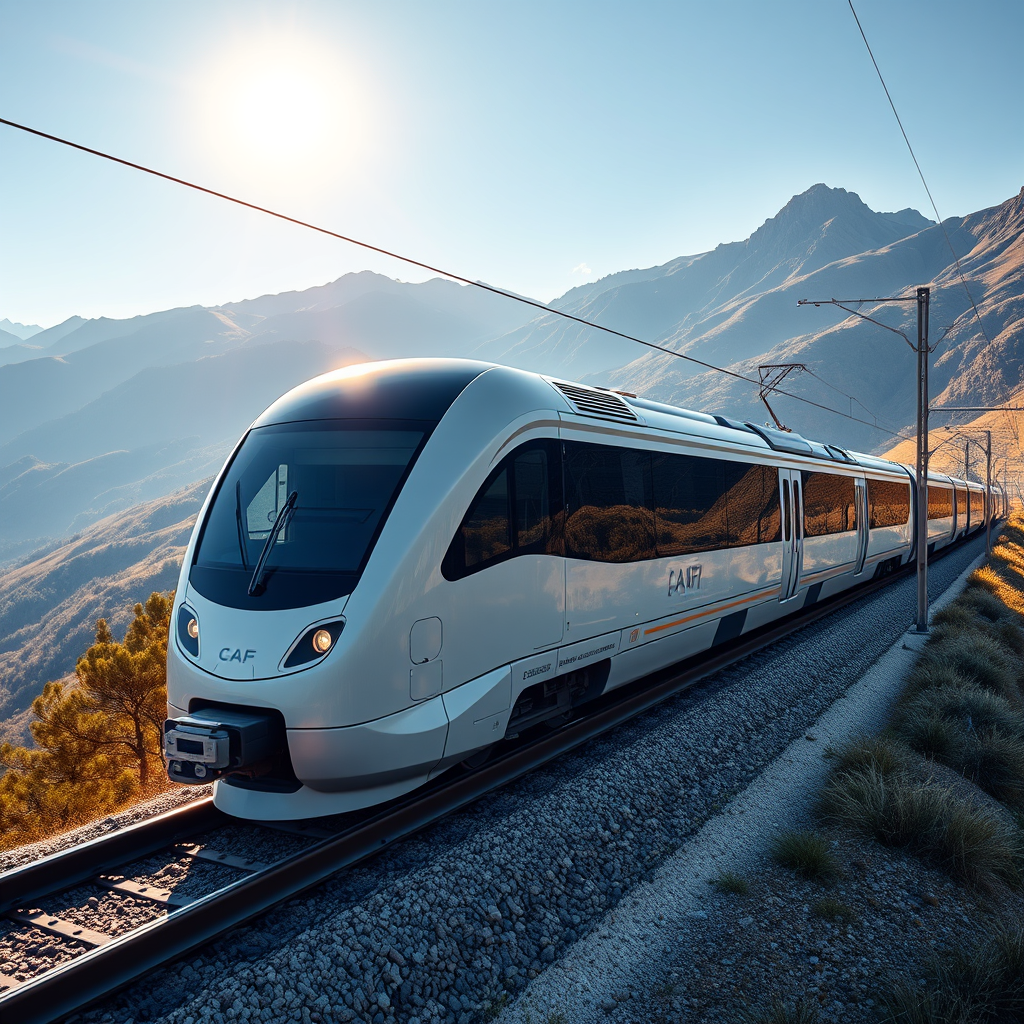
The European Union’s (EU) commitment to sustainable transportation is significantly advancing with the successful completion of the FCH2Rail project. This initiative, focusing on the development and testing of a hydrogen-powered bimodal train, represents a pivotal step towards decarbonizing the rail sector. This article delves into the specifics of the FCH2Rail project, examining its technological advancements, operational testing, and the broader implications for the future of European rail. We will explore the challenges overcome, the collaborative nature of the project, and the potential for widespread adoption of hydrogen fuel cell technology in railway systems. The successful completion of extensive testing in Spain and Portugal marks a considerable milestone, highlighting the viability and performance of this innovative approach to sustainable rail travel. The article will analyze the technology’s efficiency, the infrastructure requirements, and the overall economic feasibility of transitioning from diesel to hydrogen-powered trains.
The FCH2Rail Prototype: Technological Innovation
The FCH2Rail project’s core achievement lies in the development of a functional hydrogen fuel cell-powered train prototype. This bimodal train (capable of operating on both electrified and non-electrified lines) utilizes hydrogen fuel cells to generate electricity, eliminating the need for diesel engines on non-electrified sections of the network. This addresses a critical challenge in European rail, where many lines remain unelectrified, forcing reliance on environmentally damaging diesel locomotives. The integration of hydrogen fuel cell technology into a working train demonstrates a significant leap forward in sustainable rail technology, paving the way for broader deployment across the continent. The selection of components, particularly the fuel cells and hydrogen storage systems, was crucial for ensuring optimal performance and safety. Rigorous testing ensured reliable operation under varying conditions.
Testing and Validation: Spain and Portugal
Extensive testing in both Spain and Portugal provided crucial data on the train’s performance and reliability. The more than 8,500 kilometers of operational testing, conducted in diverse geographical terrains and under different climatic conditions, showcased the robustness of the FCH2Rail technology. The collaboration with Infraestruturas de Portugal (IP) during the Portuguese trials demonstrates the commitment of national infrastructure managers to embracing innovative technologies. Testing provided valuable data on factors such as fuel consumption, range, and operational efficiency, allowing for further optimization and refinement of the design. The successful completion of these trials signifies the readiness of the technology for wider implementation.
Collaborative Partnerships and Funding: A European Effort
The FCH2Rail project exemplifies the power of collaborative partnerships in achieving ambitious sustainability goals. The consortium comprising CAF (rolling stock manufacturer), ADIF (Spanish railway infrastructure manager), Renfe (Spanish national railway operator), the German Aerospace Centre (DLR), Toyota Motor Europe, the Spanish National Hydrogen Centre, and Stemmann Technik, alongside other supporting businesses, represents a broad spectrum of expertise. This collaborative spirit, coupled with funding from the European Clean Hydrogen Partnership (€14 million), facilitated efficient resource allocation and knowledge sharing, accelerating the development and deployment of this transformative technology. The involvement of various stakeholders ensured holistic development, considering factors such as infrastructure needs, refueling strategies, and operational aspects.
The Future of Hydrogen in Rail: Wider Implications
The successful testing of the FCH2Rail prototype has profound implications for the future of European rail. It highlights the viability of hydrogen fuel cell technology as a viable alternative to diesel in non-electrified areas, contributing to significant reductions in greenhouse gas emissions. The technology offers a path towards fully decarbonizing rail networks, addressing a significant portion of the transportation sector’s carbon footprint. Further development and widespread adoption of hydrogen trains can significantly enhance the sustainability of railway systems, aligning with broader EU climate goals. The operational data collected during testing will be invaluable for future iterations of hydrogen trains, leading to further improvements in efficiency and cost-effectiveness. The experience gained from the FCH2Rail project can provide a roadmap for other countries and regions seeking to transition their rail systems to sustainable alternatives.
Conclusions
The FCH2Rail project’s successful completion signifies a major breakthrough in sustainable rail transportation. The development and testing of a fully functional hydrogen-powered bimodal train demonstrates the technological feasibility and operational viability of this innovative approach. The extensive testing across varied terrains in Spain and Portugal, encompassing over 8,500 kilometers of operation, provided critical data validating the train’s performance, reliability, and efficiency. The collaborative nature of the project, bringing together leading European entities in the rail, hydrogen, and automotive industries, highlights the importance of concerted efforts in addressing climate change through technological innovation. The project’s success underscores the potential for widespread adoption of hydrogen fuel cell technology in the rail sector, offering a realistic pathway towards decarbonizing rail networks and reducing reliance on fossil fuels. This initiative has not only advanced hydrogen train technology but also demonstrated a successful model for international collaboration in sustainable transportation development, paving the way for a greener and more environmentally friendly future for European railways. The insights gained from the FCH2Rail project will inform future development, leading to improved efficiency, reduced costs, and broader deployment, shaping the future landscape of sustainable rail transportation. The successful transition from the prototype stage to commercial viability remains a challenge, requiring further investment in hydrogen infrastructure and technological optimization, but the FCH2Rail project has convincingly demonstrated the potential to transform the rail industry towards a greener and more sustainable future. The long-term economic viability hinges on factors such as hydrogen production costs, refueling infrastructure investment, and operational expenses, necessitating further economic analysis and policy support to fully realize the potential of hydrogen-powered trains across Europe’s extensive rail network. Ultimately, FCH2Rail’s success offers a compelling case study for the transition towards clean and sustainable transportation solutions.
RELATED POSTS
November 11, 2025 10:54 pm
Adif launches ERTMS trials on secondary lines, focusing on improving...

October 18, 2024 10:32 am
Nederlandese Spoorwegen (NS), the main passenger rail operator in the...
February 8, 2026 4:37 pm
50 NTSB safety recommendations drive renewed legislative calls for US...
July 11, 2023 5:34 pm
Deutsche Bahn Invests €200 Million to Expand ICE 3neo International...

September 14, 2015 11:54 pm
TriMet’s new MAX Orange Line, a light rail project between...
August 22, 2022 1:24 am
This article examines the expanding role of the Integral Coach...