
Hyderabad Metro: ₹60,000 Crore Expansion Plan

The Ambitious Expansion of Hyderabad’s Metro Rail System
This article delves into the significant expansion plans for the Hyderabad Metro, a crucial component of India’s urban transportation infrastructure. The Telangana state cabinet’s recent approval of a ₹60,000 crore ($7.3 billion USD) expansion project marks a monumental leap forward for the city’s public transport system. This expansion will dramatically increase the network’s reach, addressing current capacity constraints and anticipating future growth. The project’s scale, projected timeline, and technological implications will be analyzed, alongside the potential socio-economic benefits and challenges inherent in such a large-scale undertaking. We will examine the planned phases of construction, the key corridors involved, and the role of both the state government and private operators in realizing this ambitious vision. The article will conclude by evaluating the long-term impact on Hyderabad’s urban development and the potential for replication in other rapidly growing Indian cities.
Phase 3: A Multi-Corridor Expansion
The approved expansion, designated as Phase 3, will add an astounding 309 kilometers to the existing 67-kilometer network. This represents a nearly five-fold increase in size. The project is segmented into three parts: Part A focuses on six key corridors designed to improve connectivity within the city; Part B centers on the Outer Ring Road (ORR) Metro Corridor, a crucial arterial route; and Part C involves the construction of an elevated, dual-level corridor connecting JBS to Tumkunta and Paradise Junction to Kandlakoya, following the ORR. The inclusion of the ORR in the expansion plans is particularly significant, as it will provide faster transit times and greater accessibility across the city’s periphery. The corridors included in Phase 3 Part A are: BHEL-Patancheruvu-Isnapur Corridor; L.B.Nagar-Hayatnagar-Peddamberpet Corridor; Shamshabad Junction Metro station-Kothur-Shadnagar Corridor; and Uppal-Ghatkesar Corridor (with further extensions yet to be fully detailed).
Technological Advancements and Operational Considerations
The scale of this expansion necessitates the integration of advanced Intelligent Transportation Systems (ITS). ITS encompass a wide range of technologies, from automated fare collection and real-time passenger information systems to centralized train control and predictive maintenance. Such systems are vital for ensuring the efficiency, safety, and seamless operation of a significantly larger network. The current operator, Keolis, a global leader in public transit management, will likely play a crucial role in implementing and managing these technological upgrades. This expansion will also necessitate sophisticated planning to manage the construction phases, minimize disruption to existing services, and ensure the successful integration of new lines into the existing network. The project will require a large workforce, and strong collaboration between the government, contractors, and the operator is paramount for the project’s success.
Funding and Government Support
The ₹60,000 crore ($7.3 billion USD) price tag underscores the substantial financial commitment required for this expansion. While the Telangana state government has committed significant funding, securing additional support from the Indian central government is crucial. The project’s economic benefits, including job creation, improved urban mobility, and the stimulation of related industries, will be key arguments in securing this support. The government’s commitment to making Hyderabad a “global city” highlights the strategic importance of this transport infrastructure investment and how vital public transport is to a city’s development. Effective financial management and transparent procurement processes will be critical to ensuring that the project remains on budget and on schedule.
Conclusion: A Vision for Urban Transformation
The massive expansion of Hyderabad’s Metro Rail system represents a bold vision for urban transformation. The addition of 309 kilometers of new lines, encompassing multiple strategically important corridors, will dramatically reshape the city’s transportation landscape. The integration of advanced ITS will enhance efficiency, safety, and the overall passenger experience. The project’s success hinges on several key factors: securing sufficient funding, effective project management, seamless integration with existing infrastructure, and the deployment of cutting-edge technology. The significant investment demonstrates the Telangana government’s commitment to sustainable urban development and improving the quality of life for its citizens. Furthermore, this project serves as a model for other rapidly growing Indian cities grappling with increasing urbanization and the need for efficient, affordable public transport solutions. The long-term benefits extend beyond just improved mobility; this expansion is expected to boost economic activity, create numerous jobs, and contribute significantly to Hyderabad’s growth as a global city. However, challenges remain, such as ensuring the timely completion of the project and mitigating any potential disruptions during the construction phases. Careful planning and execution are vital to successfully realizing this ambitious vision and delivering a world-class metro system for Hyderabad.
RELATED POSTS

February 25, 2017 4:19 pm
Pipe and wheel company (TAC) “Interpipe” (Dnipro) has signed a...
August 17, 2017 12:31 pm
Elevate your passengers' experience with optimized railway infrastructure. Learn...

October 22, 2015 7:20 am
Siemens is investing €30m to build a new assembly factory...
October 30, 2025 3:54 pm
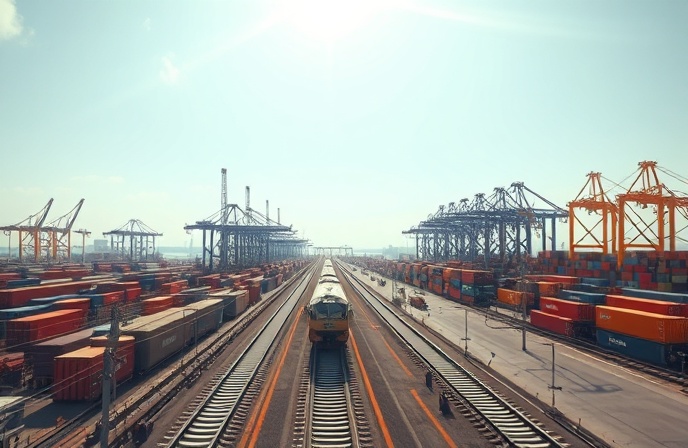
Nevomo, DP World, and DPA partner to implement MagRail Booster,...
September 13, 2025 1:01 am
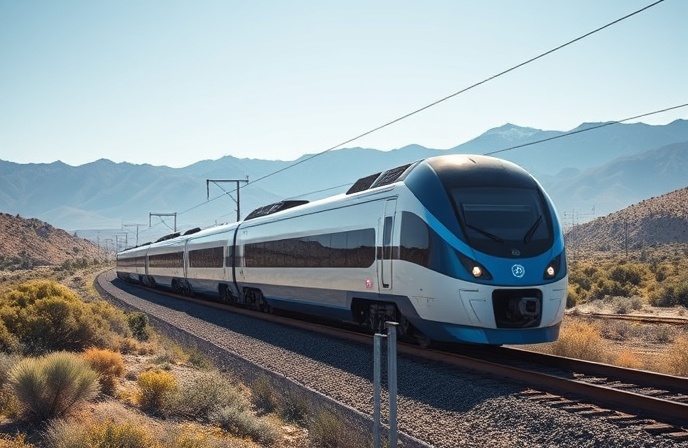
Zero-emission ZEMU train debuts on Metrolink this Saturday, offering clean...
August 13, 2025 9:33 pm
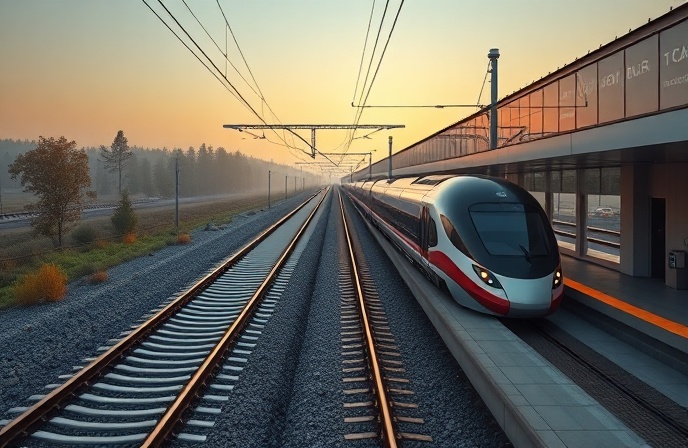
Rail Baltica Poland-Lithuania project advances, connecting Baltic States to Europe...