
HST ETCS Upgrade: East Coast Digital Programme & Rail Innovation
Iconic HSTs get ETCS upgrade, boosting railway safety and efficiency. Project part of £1.4B East Coast Digital Program.
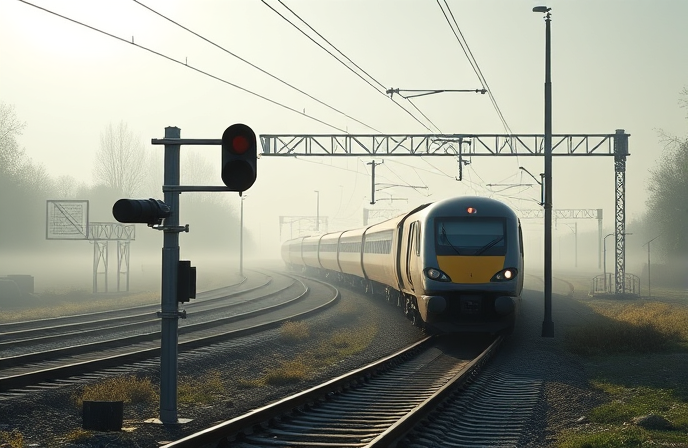
HSTs Embrace the Digital Age: Iconic Trains Receive ETCS Upgrade
In a landmark move aligning with the Railway 200 celebrations, Britain’s iconic High Speed Trains (HSTs) are undergoing a significant technological transformation. A detailed project is underway to equip a portion of the Class 43 power car fleet with modern digital in-cab signalling, heralding a new era for these historic trains and supporting the ambitious East Coast Digital Programme (ECDP). This initiative, involving the installation of the European Train Control System (ETCS) on 16 power cars, promises to enhance safety, reliability, and efficiency across the network. The project, spearheaded by industry leaders, is a critical component of the £1.4 billion ECDP. The upgrade will enable the Class 43s to operate seamlessly on the East Coast Main Line (ECML) and other digitally signaled routes as the ETCS rollout progresses. This article will delve into the details of this project, exploring its technical aspects, the collaborative efforts driving its success, and the implications for the future of rail travel.
Modernizing a Heritage Fleet
The core of this project involves equipping 16 Class 43 power cars with ETCS, a sophisticated signaling system designed to replace traditional lineside signals with real-time digital information displayed directly in the driver’s cab. This upgrade is particularly significant as the Class 43s represent a key element of Britain’s railway heritage. The selected locomotives are in service with various operators, including those that support freight, infrastructure work and charter services. The integration of ETCS enables enhanced train control and improved safety by continuously monitoring train movement and enforcing speed restrictions. The upgrade process will also include the installation of new onboard computers and radio communication systems to facilitate communication with the ETCS trackside infrastructure. The fleet is expected to be fully upgraded by mid-2026, ensuring their continued operation on the ECML and beyond, thereby extending their working life while aligning with the goals of the ECDP.
East Coast Digital Programme: Driving Innovation
The ETCS upgrade is a cornerstone of the ECDP, a large-scale initiative aiming to modernize the East Coast Main Line. The ECDP’s core goal is to deliver a more reliable, safer, and environmentally efficient railway network. The implementation of ETCS represents a fundamental shift in how the railway operates, moving from fixed lineside signals to a more dynamic and intelligent signaling system. This technology will provide train drivers with real-time information about track conditions and speed restrictions, enhancing safety and improving overall network capacity. The transition to ETCS is not just about signaling; it also involves the modernization of trackside infrastructure, the development of new operational procedures, and detailed staff training programs. The program’s success hinges on seamless integration of ETCS with existing infrastructure. The project, managed by Network Rail, also relies on collaboration with key industry partners such as Hitachi Rail, Porterbrook, and RailAdventure. The first section of the ECML to implement full ETCS operation will be between Welwyn and Hitchin from 2026.
Collaboration: A Key to Success
The HST ETCS upgrade exemplifies a strong collaborative effort across the rail industry. Hitachi Rail is at the forefront of integrating the ETCS technology. Porterbrook, the rolling stock leasing company, is overseeing the initial design and integration processes. RailAdventure played a crucial role in ETCS testing, ensuring system functionality and readiness. The involvement of multiple stakeholders, from technology providers to rolling stock operators, is critical to ensure the success of the project. This collaborative approach facilitates knowledge sharing, problem-solving, and the efficient delivery of a complex project. The collaboration also includes detailed testing and validation phases to ensure the safety and reliability of the new system. The success of this initiative demonstrates the strength and shared vision of the British railway industry, a shared commitment to modernizing infrastructure and delivering better rail services. The collective expertise and resources are critical to meeting the project’s ambitious goals.
Pilot Programs: Paving the Way
The current ETCS upgrade initiative builds upon prior successful pilot programs. The ‘First in Class’ program, implemented initially on three Class 43 power cars, facilitated essential testing and validation of the ETCS system. These pilot units were used primarily on the New Measurement Train to gather critical data and refine the system’s functionality. The pilot runs between Welwyn and Hitchin, which is set to be one of the first sections of the ECML to transition to full ETCS operation from 2026. The lessons learned from these initial deployments provided invaluable insights, informing the design and implementation of the current upgrade program. The pilot scheme allowed the industry to refine installation and maintenance procedures, improve driver training modules, and address operational challenges. The phased approach, starting with smaller pilot programs and progressing to a larger-scale implementation, minimizes risks and ensures a smoother transition to the digital railway.
Conclusion
The ETCS upgrade of Britain’s iconic HSTs represents a significant step towards a modern and efficient railway network. By integrating cutting-edge digital signaling technology, the project will improve safety, reliability, and operational efficiency, ensuring that these much-loved trains remain vital components of the UK’s rail network for many years to come. The collaborative spirit between industry stakeholders, from technology providers like Hitachi Rail to rolling stock leasing companies like Porterbrook and testing specialists such as RailAdventure, has been key to the project’s success. The initiative also highlights the industry’s commitment to honoring its heritage while embracing the future of rail transport. As the ECDP progresses and more routes are digitized, these upgraded HSTs will continue to play a crucial role in serving both passengers and freight customers. The insights gained from these projects will inform future upgrades and help accelerate the adoption of digital signaling across the UK rail network, enhancing capacity and providing passengers with even more reliable rail services in the years ahead.
Company Summary
Hitachi Rail: A global leader in rail systems, Hitachi Rail specializes in providing rolling stock, signaling systems, and digital solutions. Hitachi Rail plays a pivotal role in the HST ETCS upgrade, focusing on integrating the technology into the Class 43 power cars. Their contributions are key to this project.
Porterbrook: A major rolling stock leasing company, Porterbrook supports Network Rail in the ECDP. Porterbrook is responsible for vehicle upgrade and integration for the HST project.
RailAdventure: A rail services provider that has been instrumental in the testing of ETCS on the ECML, RailAdventure contributes its expertise and test locomotives to validate the integration of the system.

Railway infrastructure, rolling stock and transport technologies specialist focused on global rail industry developments, high-speed rail systems, signaling technologies and freight transportation. Covering railway investments, public transport modernization, rail operations and international mobility projects across Europe, Asia and North America.
BENZER KONULAR
July 4, 2026 11:41 pm
Eurostar cancelled all direct London–Amsterdam trains through July 2 after...

July 1, 2026 1:37 pm
NRHS awarded $187K to 34 U.S. rail heritage projects in...
July 1, 2026 1:42 am
UK government launched a £30bn Better Connected plan, allocating £15.6bn...
July 1, 2026 6:37 am
Amtrak launched a small-plate dining program for Acela First Class...

July 1, 2026 8:49 am
The Short Line Training Center launched FRA-funded online DSLE and...
July 4, 2026 11:02 pm
Eurostar suspends all direct London–Dutch trains through 2 July after...