
HS2 Phase One: UK Rail Infrastructure Advancements & Impacts
HS2 Phase One: revolutionizing UK rail infrastructure with high-speed lines and innovative technology. Discover the economic and social impacts!

The Impact of HS2 Phase One on UK Rail Infrastructure
The UK’s High Speed 2 (HS2) project, specifically Phase One, represents a significant undertaking in modernizing the nation’s rail network. This ambitious endeavor promises to revolutionize passenger transport by creating a high-speed rail line connecting major cities. This article will delve into the potential implications of HS2 Phase One, exploring its technical advancements, economic effects, and broader influence on the UK’s rail infrastructure, examining both the promises and the challenges presented by this monumental project. It will analyze the project’s impact on existing rail lines, the potential for improved connectivity and capacity, and the strategies for integrating the new line into the national rail network. The potential benefits for businesses, commuters, and the UK economy as a whole will also be discussed. This examination will provide insights into the complex interplay between technological innovation, infrastructure development, and societal needs within the context of modern railway systems.
HS2 Phase One: Technical Advancements and Design
HS2 Phase One’s construction encompasses the development of cutting-edge railway technology. This includes the implementation of innovative signaling systems, which are critical for safe and efficient operation at high speeds. The design incorporates a precise alignment to minimize environmental impact and optimize travel times. The tunnels and viaducts utilized represent sophisticated engineering solutions, highlighting the project’s commitment to high-quality standards. Furthermore, the electrification of the line is a crucial element in reducing reliance on fossil fuels and promoting environmental sustainability. The precise integration of these new technologies with existing systems, such as signaling and track infrastructure, is a key factor for smooth operation and minimizing disruptive effects on existing services.
Economic Impacts and Regional Development
The economic implications of HS2 Phase One are profound, potentially influencing local economies along the route and beyond. Increased passenger volume, supported by high-speed travel times and seamless connections, can boost tourism, business opportunities, and property values. The creation of new jobs during construction and operation will further enhance the local economy. This project promises to create a hub for businesses by linking major economic centers, increasing their efficiency, and driving growth. The project also aims to reduce regional disparities by providing equal access to major cities, thereby invigorating less-developed areas. However, the potential for displacement and socioeconomic disruption needs to be carefully assessed and mitigated during the planning and implementation phases.
Integration into Existing Rail Networks: Challenges and Opportunities
Integrating HS2 Phase One seamlessly into the UK’s existing rail network is a critical aspect. This involves strategic planning for terminal connections, platform upgrades, and ticketing systems. Careful consideration must be given to the potential impact on existing train services, including schedules and passenger flow. To ensure a smooth transition, close collaboration between HS2 and existing rail operators is paramount. Potential issues include the need for improved station infrastructure and coordination in the areas surrounding the HS2 line. This chapter will discuss the need to coordinate and synchronize the project with other existing rail network plans to avoid operational issues. The need for enhanced capacity and infrastructure upgrade to handle the increased passenger flow are also discussed.
Conclusions: Shaping the Future of UK Rail
HS2 Phase One represents a significant advancement in UK rail infrastructure, promising a more efficient and connected transportation system. The technical innovations, ranging from advanced signaling to electric propulsion, are poised to revolutionize high-speed travel. The project promises to boost the UK economy through job creation, business opportunities, and enhanced connectivity. However, the project’s success hinges on careful planning and execution to minimize disruptions to existing services and to address potential regional impacts. The creation of efficient interchange points, seamless ticketing, and integration with existing infrastructure are essential for a successful transition. The project presents a complex interplay between economic benefits, environmental sustainability, and societal implications. By meticulously addressing the challenges and capitalizing on the opportunities presented by HS2 Phase One, the UK can forge a more integrated, accessible, and technologically advanced rail network for the future. This project will have a substantial impact on the commuter experience, business operations, and the overall quality of life for residents throughout the UK.
The integration of high-speed rail into the existing network requires careful consideration of terminal connections, platform upgrades, and ticketing systems, necessitating close collaboration between HS2 and existing rail operators to ensure a smooth and efficient transition. The project also presents challenges related to infrastructure upgrades, capacity enhancements, and regional development, requiring a multifaceted approach to minimize disruption and maximize benefits across the entire UK. Successful implementation of HS2 Phase One is not merely about building a new line, but about fundamentally transforming the UK’s transportation system to better meet the needs of the 21st century.
The economic benefits extend beyond direct job creation, encompassing stimulated regional economies, increased tourism, and the elevation of property values, potentially mitigating existing economic disparities. This project, however, must navigate challenges in infrastructure maintenance and upgrades. A thoughtful approach to regional development is essential, addressing potential disruptions and ensuring equitable distribution of benefits across affected areas.
By carefully considering the environmental and social factors, HS2 Phase One can pave the way for a more sustainable and inclusive transportation network, aligning with the UK’s broader commitments to environmental protection and social equity. HS2 Phase One promises to be a landmark project in British rail history, and its completion will be a significant milestone in the evolution of UK transport infrastructure.
You might be interested in:
Last November 2018, we published an article about a revolutionizing Bay Area transit app. Click here to read – BART App: Revolutionizing Bay Area Transit
RELATED POSTS
December 22, 2015 7:42 pm
Milan's Metro Line 5 extension, a €872 million project, successfully...
April 21, 2019 2:11 am
DB Cargo and VTG's innovative freight wagon design boasts 2-3%...
July 23, 2019 5:13 pm
Taipei's Danhai LRT, a modern light rail marvel, opens, boosting...
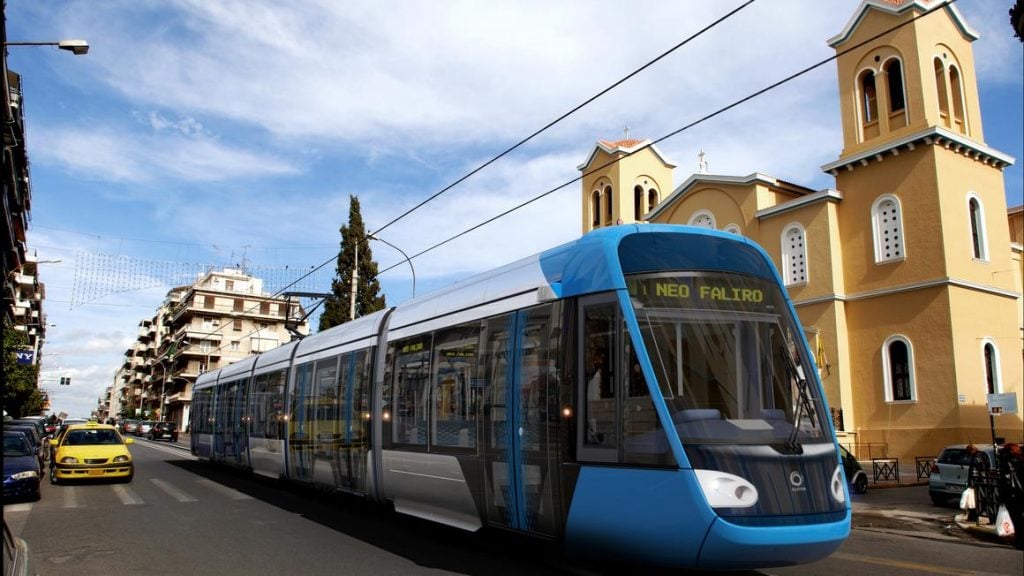
July 31, 2018 3:09 pm
Alstom has signed a contract worth over €50 million with...

April 5, 2008 11:13 pm
Bombardier Transportation and Italian engineering company AnsaldoBreda’s rail subsidiary Finmeccanica...

July 9, 2025 4:34 pm
East Midlands Railway funds Terminus Park, a new community space...