
HS2 Curzon Street Station: Birmingham’s New Landmark
HS2’s Curzon Street Station: A £435 million game-changer for Birmingham and the UK’s high-speed rail network. Discover how this iconic station is shaping the future!
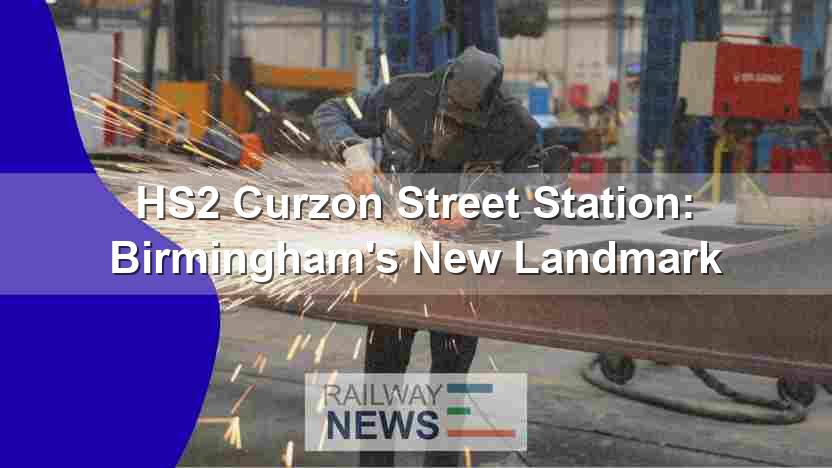
The High Speed 2 (HS2) project, a transformative undertaking in the UK’s railway infrastructure, is poised to significantly reshape the nation’s travel landscape. This article explores a pivotal phase of the HS2 project: the construction of Curzon Street station in Birmingham. This £435 million station, slated for completion in 2026, represents more than just a new transportation hub; it embodies a significant investment in the economic and social fabric of Birmingham and the wider West Midlands region. Its construction is not merely about laying tracks and erecting buildings; it’s about creating a landmark structure, generating employment opportunities, and stimulating regional regeneration. The process of selecting the construction team, the design elements incorporated into the station, and the broader implications for Birmingham and the UK’s high-speed rail network will be examined in detail. The strategic importance of this project within the context of national infrastructure development and economic growth will also be explored.
The Procurement Process: Securing the Construction Team
HS2’s initiation of the search for a construction team to build Curzon Street station marks a crucial step in the project’s timeline. The selection process is rigorous, prioritizing firms demonstrating a commitment to safety, design excellence, environmental sustainability, and value for money. The scale of the project necessitates a contractor with extensive experience in managing complex, large-scale infrastructure projects. The bidding process involves a thorough evaluation of the contenders’ capabilities, financial stability, and adherence to HS2’s stringent standards. Shortlisting is expected in the spring, with contract awards projected for 2020, underscoring the urgency and meticulous planning involved.
Curzon Street’s Design and Architectural Significance
The design of Curzon Street station, unveiled by WSP, Grimshaw Architects, and Glenn Howells, is intended to be an iconic structure, reflecting Birmingham’s industrial heritage while embracing modern architectural principles. The striking arched roof is a nod to the city’s rich history, seamlessly integrating past and present. The station’s design needs to prioritize passenger flow, accessibility, and sustainability, incorporating features such as green building technologies and efficient energy management systems. Beyond its aesthetic appeal, the design incorporates functional considerations for optimal passenger experience and operational efficiency.
Economic and Social Impacts: Beyond the Tracks
HS2’s arrival in Birmingham is anticipated to have a profound impact on the city’s economy and social landscape. The project is projected to create 36,000 jobs and 4,000 homes, significantly boosting employment opportunities and contributing to housing development. This will stimulate both direct and indirect economic activity, attracting investment and supporting the growth of local businesses. Curzon Street station itself will serve as a catalyst for regeneration in the surrounding areas, transforming the city center and improving connectivity.
Integration with the Wider HS2 Network
Curzon Street station is not an isolated entity but a critical component within the broader HS2 network. It will serve as a major hub, connecting Birmingham to other key destinations across the UK. The high-speed rail lines, capable of reaching speeds of 360 km/h, will significantly reduce travel times, facilitating efficient movement of people and goods. The integration of Curzon Street with the existing transport infrastructure, including other stations like Birmingham Interchange, will enhance connectivity and mobility throughout the region. The seamless integration with the broader network is crucial for maximizing the benefits of HS2.
Conclusions
The construction of Curzon Street station represents a critical juncture in the HS2 project. The meticulous selection process for the construction team underscores the importance of quality, safety, and environmental responsibility. The station’s design, a blend of historical homage and modern functionality, promises to become an iconic landmark. Beyond the physical structure, HS2’s arrival in Birmingham has the potential to reshape the city’s economy and social fabric, generating numerous jobs and stimulating regional regeneration. The integration of Curzon Street within the wider HS2 network will significantly improve connectivity across the UK, reducing travel times and fostering economic growth. The successful completion of Curzon Street station will serve as a testament to the transformative power of large-scale infrastructure projects, highlighting their ability to reshape urban landscapes and drive national economic progress. The project’s success hinges on effective collaboration between HS2, the chosen contractor, and local stakeholders to ensure the station is delivered on time, within budget, and to the highest standards of quality and sustainability. The legacy of HS2 will extend far beyond the completion of the station, leaving a lasting impact on Birmingham and the UK as a whole.

Railway infrastructure, rolling stock and transport technologies specialist focused on global rail industry developments, high-speed rail systems, signaling technologies and freight transportation. Covering railway investments, public transport modernization, rail operations and international mobility projects across Europe, Asia and North America.
RELATED POSTS

October 1, 2026 7:09 am
United States regulators confirmed a September 30 deadline for the...

October 8, 2026 1:15 pm
Alstom secured a €1bn contract to build 13 automated trains,...

October 4, 2026 5:14 pm
Alstom secured a CA$4.7 billion order from VIA Rail Canada...

October 1, 2026 12:13 am
Illinois approved $1.5 billion annually for the Northern Illinois Transit...

October 4, 2026 11:08 pm
Sound Transit confirmed the September 30 opening of Seattle Pinehurst...
October 1, 2026 10:14 am
HS2 installed a 55-metre steel span in Birmingham, completing phase...