
HS2 Canterbury Works: Design, Engineering, Community

This article explores the design and construction of the Canterbury Works vent shaft headhouse for the High-Speed 2 (HS2) rail line in London. The project, a crucial element of the Euston to Old Oak Common section, highlights the complexities of integrating major infrastructure projects within established urban environments. The discussion will delve into the architectural considerations, the engineering challenges, community engagement strategies employed by HS2, and the broader implications of such large-scale undertakings. The focus will be on how HS2 is balancing the functional requirements of a vital ventilation and emergency access point with the aesthetic and environmental needs of the local community. This examination will provide insights into the multifaceted nature of modern railway construction and the evolving relationship between large-scale infrastructure projects and the urban fabric they inhabit. The challenges involved in designing a structure that blends seamlessly into an existing cityscape while effectively serving its functional purpose form a significant aspect of this analysis.
Architectural Design and Integration
The Canterbury Works vent shaft headhouse, located in South Kilburn, London, is designed to be more than just a functional ventilation structure. HS2’s commitment to integrating the design within the existing urban fabric is evident in the chosen materials. Dark grey engineering brick and grey softwood timber are used to create a visually appealing structure that aims to blend seamlessly with the surrounding buildings and landscape. The 40m-deep ventilation shaft, while a significant underground element, is carefully positioned to minimize disruption and visual impact. The architects, Arup TYPSA STRABAG, working in collaboration with the main works contractor, Skanska Costain STRABAG joint venture (SCS JV), have prioritized the headhouse’s aesthetic compatibility with the existing urban environment. The design acknowledges the proximity to local residences and existing rail lines, ensuring careful consideration of visual impact from various viewpoints.
Engineering Challenges and Solutions
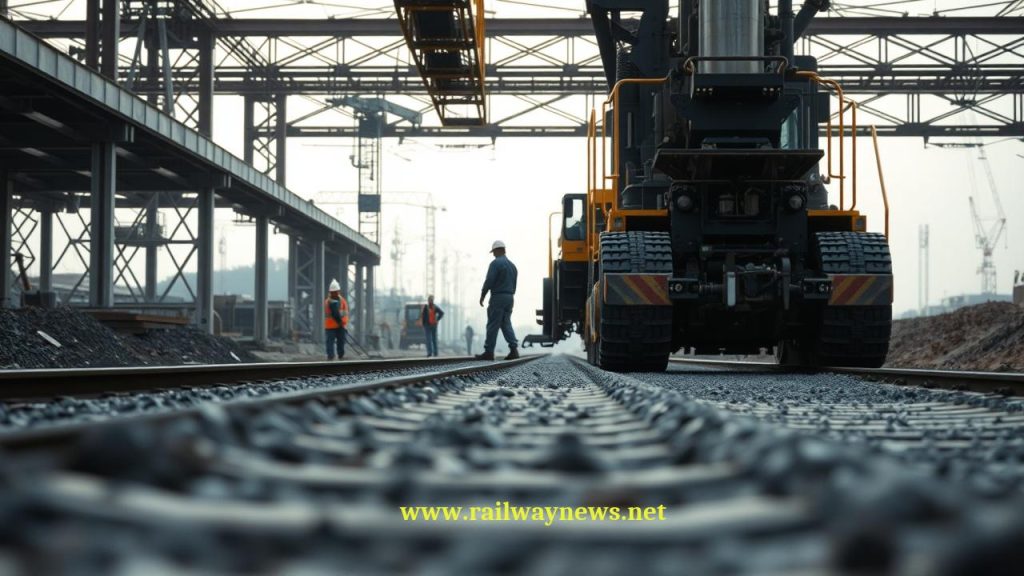
The construction of the Canterbury Works headhouse presents significant engineering challenges. The 40-meter-deep ventilation shaft requires precise excavation and construction techniques to ensure the stability of the surrounding area and the integrity of the existing infrastructure. The headhouse itself must be robust enough to withstand the stresses and strains associated with its functional role in providing ventilation to the 4.5-mile-long Euston Tunnel. This requires careful consideration of material selection, structural design, and construction methods. Furthermore, coordinating the construction with existing rail operations and minimizing disruption to the local community presents a significant logistical challenge. The design and implementation account for ground conditions, mitigating potential risks associated with the excavation and construction phases. Safety and efficiency protocols are paramount to avoid delays or complications throughout the project’s execution.
Community Engagement and Transparency
HS2’s approach to community engagement is a crucial aspect of the Canterbury Works project. The publication of the updated designs is a clear demonstration of the organization’s commitment to transparency and open communication with local residents. This proactive engagement strategy aims to address concerns and incorporate local feedback into the final design. By actively soliciting input from the community, HS2 aims to ensure the project aligns with the needs and preferences of those directly affected. This approach helps build trust and support for the project, mitigating potential conflicts and promoting a sense of shared ownership in the development of this essential infrastructure.
The Broader Context of HS2 and Urban Development
The Canterbury Works headhouse represents a microcosm of the broader challenges and opportunities presented by large-scale infrastructure projects within urban areas. The successful integration of such structures requires careful planning, innovative engineering solutions, and a strong emphasis on community engagement. The HS2 project, as a whole, demonstrates the complexities involved in balancing the need for improved transportation infrastructure with the preservation and enhancement of the urban environment. The design of the headhouse, therefore, serves as a case study in how such challenges can be addressed successfully, demonstrating a commitment to minimizing disruption and maximizing the positive impacts of infrastructure development on the surrounding community.
Conclusions
The Canterbury Works vent shaft headhouse, a key component of the HS2 rail line, exemplifies a complex interplay between engineering necessity, architectural design, and community engagement. The project’s success hinges not just on its functional capabilities – providing ventilation and emergency access to the Euston Tunnel – but also its ability to seamlessly integrate into the existing urban fabric of South Kilburn. The meticulous selection of materials – dark grey engineering brick and grey softwood timber – reflects a conscious effort to harmonize the structure with the surrounding townscape, minimizing visual intrusion. The 40-meter-deep ventilation shaft, while a significant engineering undertaking, is strategically positioned and designed to mitigate potential disruptions. The transparent communication strategy adopted by HS2, involving the publication of updated designs and active engagement with the local community, underscores the project’s commitment to inclusivity and collaboration. This proactive approach is essential in managing stakeholder expectations and fostering a sense of shared ownership among residents. Ultimately, the Canterbury Works headhouse serves as a compelling case study demonstrating how a major infrastructure project can be successfully implemented within a densely populated urban area, balancing functional requirements with aesthetic and community considerations. It shows a commitment to responsible development, minimizing negative impacts while maximizing the benefits of improved connectivity and infrastructure upgrades. The collaborative effort between HS2, its contractors (SCS JV), and architects (Arup TYPSA STRABAG) showcases a model for successful large-scale infrastructure development, incorporating best practices in design, engineering, and community engagement.
RELATED POSTS
April 1, 2026 12:10 pm
Alstom secured a €410 million contract from CFR SA to...

April 1, 2026 4:31 pm
Network Rail upgraded Berrylands station platforms for £6 million, replacing...
April 1, 2026 6:21 pm
Federal Transit Administration awarded $20.6 billion in formula-based apportionments to...