
HS2: Bombardier-Hitachi’s High-Speed Rail Bid
Bombardier and Hitachi’s joint bid for the HS2 high-speed train contract unites global expertise with UK manufacturing, promising technological innovation and economic growth. Discover how this powerful partnership is shaping the future of UK rail!
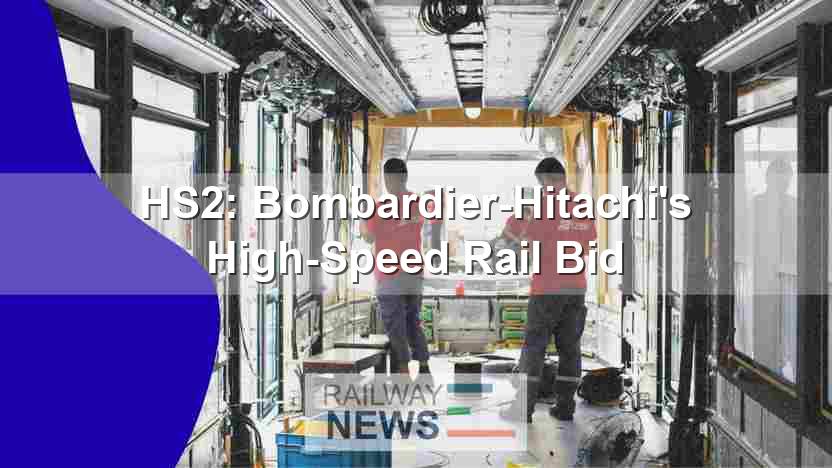
The UK’s High-Speed 2 (HS2) project, a transformative undertaking aiming to significantly upgrade the nation’s transport infrastructure, has attracted significant interest from leading rolling stock manufacturers globally. This article explores the substantial £2.75 billion contract for the design, manufacture, and delivery of high-speed trains for Phase 1 of the HS2 network, connecting London and the West Midlands. The focus will be on the joint bid submitted by Bombardier Transportation and Hitachi Rail Europe, two industry giants with a proven track record in high-speed rail technology and manufacturing. We will examine the strategic rationale behind this partnership, the technological capabilities it brings to the table, and the potential economic implications for the UK. Additionally, we will analyze the competitive landscape and assess the likelihood of success for this significant collaborative venture.
A Strategic Partnership for Success
The decision by Bombardier Transportation and Hitachi Rail Europe to form a joint venture for the HS2 contract represents a powerful strategic alignment. Both companies bring unique strengths to the partnership. Bombardier, a global leader in rail technology, possesses extensive experience in designing and manufacturing high-speed trains, while Hitachi Rail Europe contributes its strong UK presence, established manufacturing facilities, and proven expertise in the British rail market. This collaboration leverages the global expertise of Bombardier with the established UK infrastructure and supply chain of Hitachi Rail, creating a compelling bid that addresses the HS2 project’s requirements for both technological excellence and domestic economic benefit. The combined entity offers a powerful blend of international innovation and localized manufacturing capabilities, mitigating potential risks associated with solely relying on foreign suppliers.
Technological Prowess and Innovation
The proposed HS2 trains will need to meet stringent performance standards, including high speeds and seamless interoperability with existing rail networks. The combined technological expertise of Bombardier and Hitachi is crucial in achieving these objectives. Bombardier’s international experience in high-speed rail design and innovation, coupled with Hitachi’s proven track record in delivering reliable and efficient rolling stock, ensures a robust and technologically advanced solution. The partnership aims to produce trains capable of operating at high speeds, offering passenger comfort and advanced safety features, all while considering environmental sustainability. The joint bid emphasizes the utilization of sustainable materials, reflecting a commitment to environmentally responsible manufacturing practices, as evidenced by their previous collaboration on the ETR 1000 trains for Trenitalia, which utilized 85% recycled materials.
Economic Impact and Regional Development
The awarding of the HS2 contract will have significant economic implications for the UK. The joint venture between Bombardier and Hitachi promises substantial investment in British manufacturing, creating jobs and boosting economic activity across multiple UK regions. Their existing train factories in Derby and Newton Aycliffe will play a central role in the manufacturing process, supporting local communities and stimulating economic growth. This commitment to domestic manufacturing addresses crucial policy objectives related to regional economic development and job creation, making this bid particularly attractive to the government.
Competitive Landscape and Future Prospects
The HS2 rolling stock contract attracted bids from other prominent players in the rail industry, including Alstom, Patentes Talgo, and Siemens. This competitive environment underscores the significance and scale of the project. The Bombardier-Hitachi partnership, however, stands out due to its unique blend of global expertise and strong UK footprint. The combined strength of their existing infrastructure, supply chain network, and proven track record positions them favorably to secure the contract. The ultimate success will depend on several factors, including the detailed tender evaluation process, the specific technical proposals, and the overall assessment of economic and social benefits. However, the strategic partnership and the combined technological and manufacturing strengths of Bombardier and Hitachi suggest a significant probability of success.
Conclusion
The joint bid by Bombardier and Hitachi Rail for the HS2 high-speed train contract represents a significant development in the UK’s rail infrastructure modernization efforts. This strategic partnership combines the global expertise of Bombardier in high-speed rail technology with Hitachi’s established presence and manufacturing capabilities in the UK. The collaboration offers a compelling proposition, promising not only technologically advanced trains capable of meeting the stringent demands of the HS2 network but also substantial economic benefits, including job creation and regional development. The potential positive impacts on the UK economy, the focus on sustainable manufacturing practices, and the combined technological strengths of the partnership make their bid a strong contender in a competitive field. While the final decision rests with the HS2 awarding authority, the Bombardier-Hitachi collaboration showcases a model of successful international cooperation and a commitment to realizing the full potential of the UK’s high-speed rail ambitions. The award of this contract would mark a significant milestone, not only for the HS2 project but also for the UK rail industry, signifying a step towards technological advancement and economic prosperity. The success of this joint venture would set a precedent for future collaborative projects, showcasing the potential of strategic partnerships in delivering large-scale infrastructure projects. The detailed evaluation process will undoubtedly focus on various criteria, including technological specifications, economic viability, and sustainable manufacturing practices, aspects where the Bombardier-Hitachi partnership demonstrates considerable strength.

Railway infrastructure, rolling stock and transport technologies specialist focused on global rail industry developments, high-speed rail systems, signaling technologies and freight transportation. Covering railway investments, public transport modernization, rail operations and international mobility projects across Europe, Asia and North America.
RELATED POSTS

October 1, 2026 7:09 am
United States regulators confirmed a September 30 deadline for the...

October 4, 2026 5:14 pm
Alstom secured a CA$4.7 billion order from VIA Rail Canada...

October 1, 2026 12:13 am
Illinois approved $1.5 billion annually for the Northern Illinois Transit...
October 1, 2026 10:14 am
HS2 installed a 55-metre steel span in Birmingham, completing phase...
October 1, 2026 11:14 pm
CATS confirmed a six-mile streetcar route in Charlotte to add...

October 4, 2026 11:08 pm
Sound Transit confirmed the September 30 opening of Seattle Pinehurst...