
Honolulu Rail: Tutor Perini Contract & Challenges
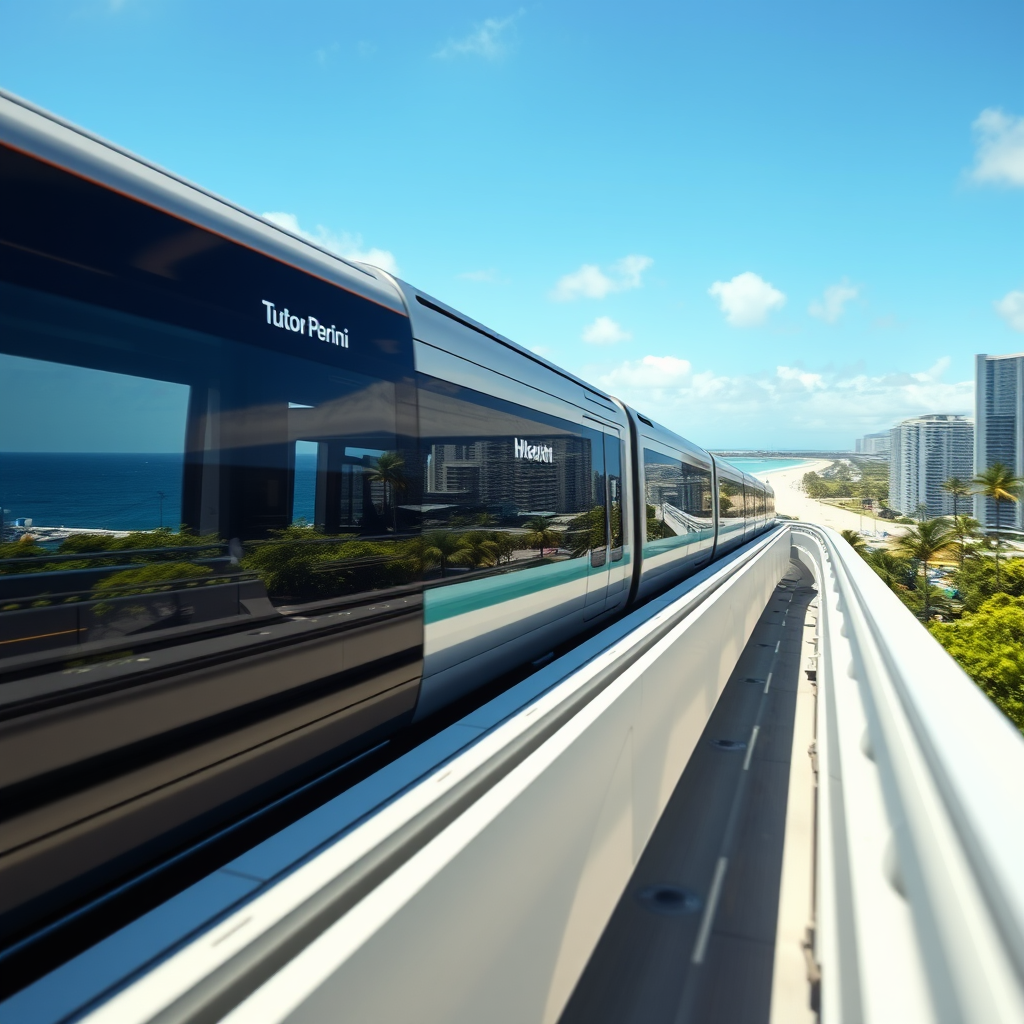
The following article delves into the intricacies of the Honolulu Rail Transit Project, a significant undertaking in urban mass transit infrastructure. We will examine the project’s scope, the awarded contract to Tutor Perini, the challenges involved in its execution, and the implications of its revised scope under the Federal Transit Administration (FTA) Recovery Plan. The analysis will encompass the engineering and construction aspects, the financial considerations, the environmental impacts, and the overall strategic significance of this automated fixed-guideway rail system for the city of Honolulu and the island of Oʻahu. This project, while ambitious, highlights the complexities of large-scale infrastructure development, showcasing the interplay between political, economic, and environmental factors that can significantly impact project timelines and outcomes. The discussion will move beyond a simple project overview to provide a deeper understanding of the challenges associated with such a complex urban rail transit system and the ongoing efforts to mitigate these challenges.
Honolulu Rail Transit Project: Contract Award and Project Scope
Tutor Perini Corporation has been awarded a substantial contract, valued at approximately $1.66 billion, by the Honolulu Authority for Rapid Transportation (HART) for the design and construction of a crucial segment of the Honolulu City Center Guideway and Stations. This section encompasses the construction of six new rail stations and approximately three miles of elevated guideway, extending the existing system eastward. Parsons Corporation will act as the design subcontractor to Tutor Perini, ensuring seamless integration between design and construction. The project marks a significant step forward in the development of Honolulu’s automated fixed-guideway rail system, a system designed to alleviate traffic congestion and provide a rapid transit solution for the island of Oahu’s south shore.
Project Timeline and Implementation Challenges
The project’s design phase is underway, with physical construction anticipated to commence in late 2025, targeting substantial completion by 2030. However, the project’s history has been marked by delays and cost overruns. These challenges highlight the complexity of undertaking large-scale infrastructure projects in urban environments, with issues such as land acquisition, utility relocation, and regulatory approvals contributing significantly to schedule slippage and escalating costs. The intricate nature of managing such a vast undertaking emphasizes the need for rigorous planning, efficient execution, and proactive risk mitigation strategies.
The FTA Recovery Plan and Revised Project Scope
The original scope of the Honolulu Rail Transit Project envisioned a 18.9-mile system with 19 stations. However, the FTA Recovery Plan has necessitated a revision of the project scope, resulting in the postponement of the final 1.25 miles of the guideway and the last two stations, as well as the postponement of the Pearl Highlands Parking Garage. This amendment is primarily driven by budgetary constraints and the need to secure the necessary environmental clearances. The reduced scope, while delaying full project completion, allows HART to proceed with a more manageable and financially viable phase of construction, focusing on delivering a functional core system first.
Environmental Considerations and Future Expansion
The Honolulu Rail Transit Project, like any major infrastructure endeavor, has significant environmental considerations. HART is actively collaborating with the FTA to secure the required environmental clearances for the revised project. The future expansion plan includes extending the rail line from the Civic Center Station to the Ala Moana Transit Center and constructing a dedicated parking facility. The transition to electric locomotives will also contribute towards the project’s overall environmental sustainability. The choice of an elevated guideway also minimizes disruption to existing surface-level infrastructure and minimizes land acquisition issues.
Conclusions
The Honolulu Rail Transit Project, while facing considerable challenges, represents a crucial investment in the future of Honolulu’s public transportation system. The award of the City Center Guideway and Stations contract to Tutor Perini marks significant progress. The project’s revised scope under the FTA Recovery Plan, though resulting in delays, provides a more pragmatic and financially sustainable approach to implementation. The successful completion of this project will not only enhance Oʻahu’s transportation infrastructure but will also serve as a case study on navigating the complexities of large-scale infrastructure development in urban settings. Future challenges remain, including securing funding for the remaining phases, managing environmental concerns, and addressing the potential for further delays. The success of the project hinges on effective collaboration between HART, the FTA, contractors, and the community, emphasizing the importance of clear communication, transparent governance, and a commitment to delivering a high-quality, sustainable, and efficient mass transit system for Honolulu. The insights gleaned from this project’s development can inform the planning and execution of similar initiatives globally, reinforcing the need for meticulous planning, proactive risk assessment, and continuous adaptation to unforeseen circumstances in the field of large-scale infrastructure development. The long-term benefits of improved public transport, decreased reliance on private vehicles, and reduced carbon emissions clearly outweigh the challenges inherent in the project’s execution. Therefore, the project’s eventual success will solidify its significance as a model of urban rail development for other cities facing similar transportation challenges.
RELATED POSTS
July 25, 2025 1:33 am
US House introduces FEMA reform bill, aiming to improve disaster...

September 1, 2019 9:07 am
This article delves into the intricacies of the Hurontario Light...
November 26, 2016 3:52 am
Here's the excerpt:"DB Cargo UK's report shows a slight dip...
Spain launches a national transport pass in 2026 for €60...
December 19, 2016 6:27 am
Here's a voiceover-friendly excerpt:"Aurizon boosts its supply chain! The *Vossloh...
January 28, 2026 11:39 pm
Greenbrier Leasing Europe equips new European freight wagons with Amsted...