
Hong Kong MTR Expansion: Mega Projects Unveiled
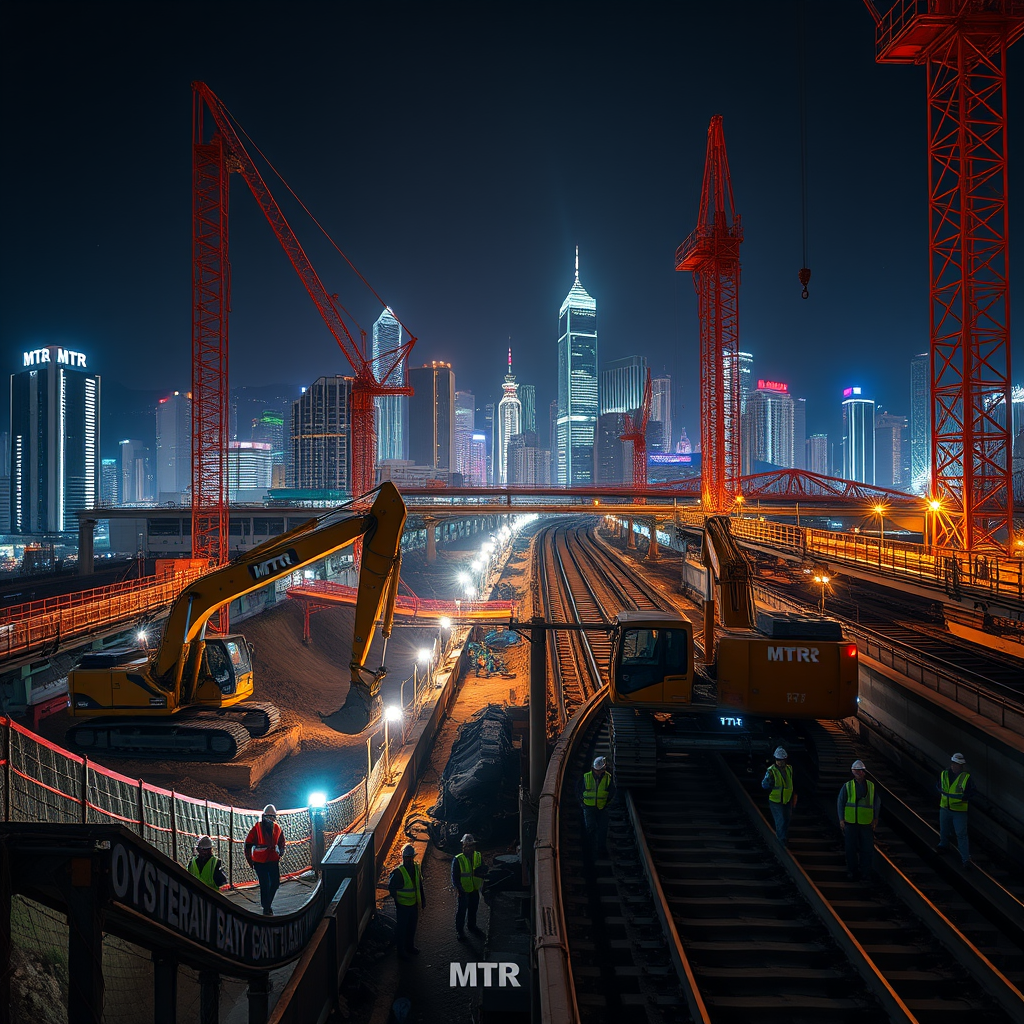
Hong Kong MTR’s Ambitious Expansion: A Deep Dive into Current Construction Projects
Hong Kong’s Mass Transit Railway (MTR) is undergoing a period of significant expansion, a testament to the city’s commitment to enhancing its public transportation infrastructure. This article delves into the complexities of several key construction projects currently underway, highlighting the challenges and innovations involved in expanding a rail network within a densely populated urban environment. The MTR Corporation’s (MTRC) approach, characterized by meticulous planning, phased implementation, and a focus on minimizing disruption to existing services, will be examined. We will explore the strategic rationale behind these projects, analyzing their impact on Hong Kong’s overall transportation network and the broader economic benefits they are expected to generate. Furthermore, we will assess the technological advancements and logistical strategies employed by MTRC to overcome the unique challenges posed by working within a live operational environment. The overarching goal is to provide a comprehensive understanding of the ambitious expansion plans of the MTR and its implications for Hong Kong’s future.
Oyster Bay Station and the Challenges of Urban Rail Construction
The Oyster Bay Station project, involving cable diversion and piling works, exemplifies the intricate nature of rail construction within a mature urban setting. The strategic location necessitates careful coordination with existing utility services, demanding precise planning and execution to avoid disruption to essential infrastructure. Piling works, a crucial aspect of foundation construction, require specialized techniques to minimize noise and vibration, ensuring minimal impact on nearby residential areas and businesses. The “Golden Two Hours” (the period when train services are suspended) becomes a critical window for carrying out these disruptive activities, demanding efficient resource allocation and precise project scheduling to maximize productivity during this limited time frame. The success of this project hinges on the ability to integrate seamlessly with the existing network and minimize the disruption caused to passengers and neighboring communities.
Tung Chung Line Extension: Balancing Expansion with Operational Efficiency
The Tung Chung Line extension is a major undertaking involving turnout installation, track diversion, and tunnel boring. This project presents the challenge of expanding the rail network while maintaining operational efficiency on existing lines. Turnout installation (the construction of points allowing trains to switch tracks) requires precision engineering and coordination to ensure seamless integration with the current system, minimizing any potential delays or safety risks. Track diversion, equally demanding, calls for meticulous planning to ensure the smooth rerouting of trains and minimal interruption to service during the construction phase. Tunnel boring machines (TBMs), essential for subterranean construction, necessitate careful selection and operation to optimize efficiency and avoid geotechnical challenges. Successfully managing these components in a live operational environment is crucial to the project’s success. The project’s complexity underscores the sophisticated project management and engineering capabilities required for such a feat.
Kwu Tung Station and Tuen Mun South Extension: Large-Scale Excavation and Foundation Works
The construction of Kwu Tung Station on the East Rail Line, involving large-scale bulk excavation, and the Tuen Mun South Extension, which includes piling and foundation works along the Tuen Mun River, highlight the scale and scope of MTRC’s ambitious expansion plan. Bulk excavation at Kwu Tung demands robust earthmoving capabilities and thorough geotechnical analysis to ensure the stability of the surrounding area. The project involves removing large quantities of earth, necessitating careful planning to manage waste disposal and minimize environmental impact. Similarly, the Tuen Mun South Extension requires extensive piling and foundation work to create a stable base for the new railway line, especially considering the proximity to the Tuen Mun River. Both projects highlight the challenges associated with large-scale infrastructure development within Hong Kong’s unique geographical landscape and the need for sophisticated environmental mitigation strategies.
Hung Shui Kiu Station: Preparing the Ground for Future Development
The preparatory works at Hung Shui Kiu Station on the Tuen Ma Line, specifically the removal of viaduct parapet walls before main works commence, showcases MTRC’s phased approach to complex projects. This seemingly smaller task is crucial to the overall project timeline. Removing the existing parapet walls efficiently and safely is essential to create space and access for subsequent construction phases, ensuring the smooth flow of the larger project. This highlights the importance of thorough preliminary planning and the meticulous execution of each stage within a large-scale rail infrastructure project. The seemingly minor preparatory work is crucial to pave the way for the next phases of the project and ensuring its timely and efficient completion.
Conclusions: Expanding Hong Kong’s Rail Network – A Strategic Imperative
The MTR Corporation’s ongoing construction projects represent a substantial investment in Hong Kong’s future, reflecting a strategic commitment to expanding and modernizing its public transportation system. The five projects detailed above – Oyster Bay Station, Tung Chung Line Extension, Kwu Tung Station, Tuen Mun South Extension, and Hung Shui Kiu Station – collectively demonstrate the multifaceted challenges inherent in such undertakings, ranging from intricate urban planning and precise engineering to the complex logistics of managing construction within a fully operational rail network. The “Golden Two Hours” concept, while a constraint, underscores the innovative planning and efficient execution required to maximize productivity during limited operational downtime. The projects, collectively representing the MTRC’s “Go Beyond Boundaries” plan, demonstrate a clear focus on enhancing connectivity, relieving traffic congestion, and facilitating economic growth. The successful completion of these projects will not only significantly improve the lives of Hong Kong residents by providing improved accessibility and efficient transport but also create significant employment opportunities, estimated at 20,000 jobs. The emphasis on maintaining safe and reliable train operations during the construction phase highlights the MTRC’s commitment to minimizing disruption to commuters and prioritizing passenger safety. Ultimately, these ambitious expansion plans represent a vital step in securing Hong Kong’s continued economic prosperity and enhancing its position as a leading global city. The successful integration of these projects underscores the significant engineering and project management expertise within the MTR Corporation, ensuring a reliable, efficient, and sustainable public transport system for the future of Hong Kong.
RELATED POSTS
April 1, 2026 12:10 pm
Alstom secured a €410 million contract from CFR SA to...

April 1, 2026 8:40 pm
BNSF Railway expands Galesburg, Illinois, yard capacity, with second hump...

April 1, 2026 4:31 pm
Network Rail upgraded Berrylands station platforms for £6 million, replacing...
April 1, 2026 6:21 pm
Federal Transit Administration awarded $20.6 billion in formula-based apportionments to...
April 2, 2026 2:33 am
RTD Denver suspends D, H, L light-rail service from June...