
Hitachi-Thales Merger: EU Approval & Rail Market Impact
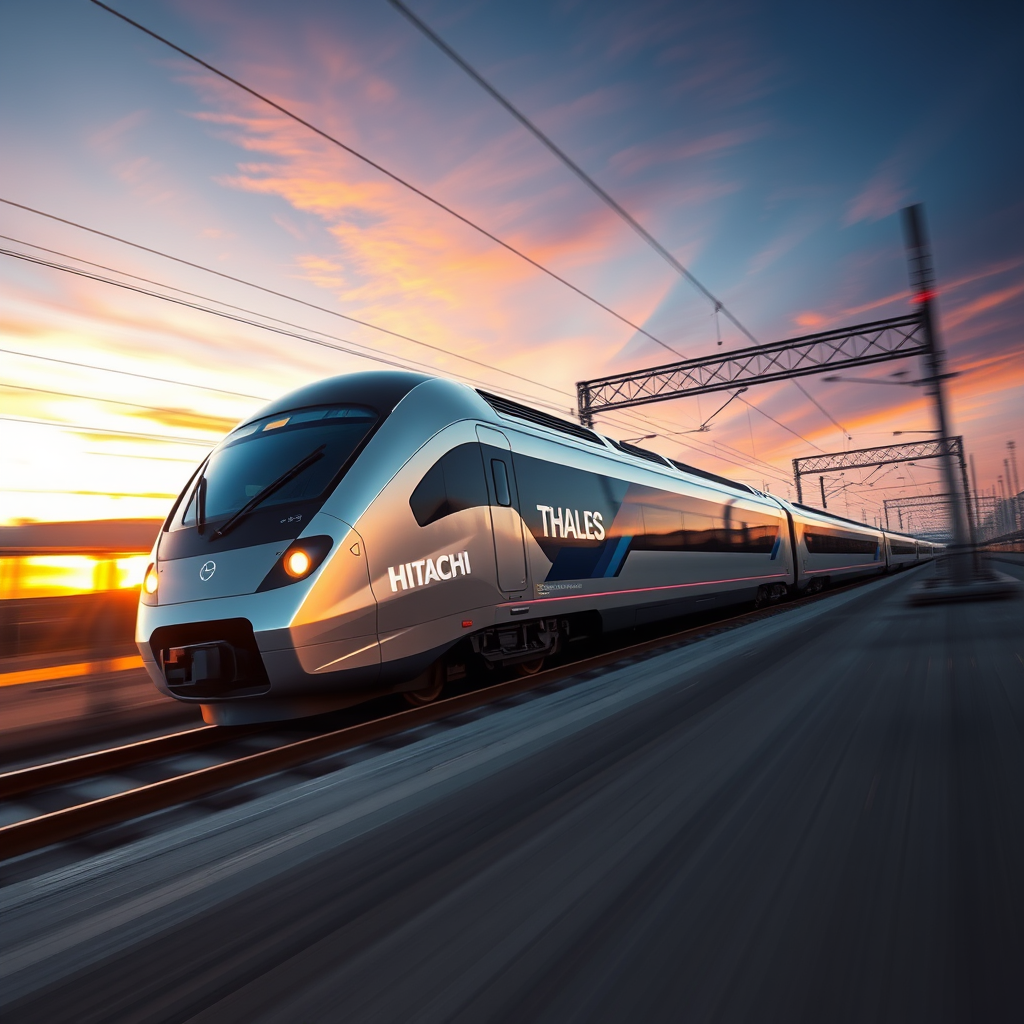
The Hitachi-Thales Merger: Reshaping the European Rail Signaling Landscape
The recent approval by the European Union (EU) of Hitachi Rail’s acquisition of Thales’ Ground Transportation Systems (GTS) marks a significant turning point in the European rail signaling market. This merger, initially announced in 2021, faced considerable scrutiny due to concerns regarding its potential anti-competitive effects. The deal’s protracted approval process, including a revised merger notice and divestitures to address competition concerns, underscores the complexities and regulatory hurdles inherent in such large-scale industry consolidations. This article will examine the key aspects of the merger, analyzing the rationale behind the EU’s approval, the implications for the market, and the long-term effects on innovation, competition, and pricing within the European rail sector. The focus will be on the strategic maneuvers employed by Hitachi to secure regulatory approval and the wider consequences of this significant transaction for the future of rail infrastructure development.
Addressing Competition Concerns
The primary obstacle to the merger’s swift approval stemmed from concerns regarding reduced competition within the European rail signaling market, particularly in France and Germany. Both Hitachi and Thales are major players in mainline signaling (the system that controls train movements on main lines), and their merger raised fears of a near-monopoly in these key markets. To alleviate these concerns, Hitachi committed to divesting its mainline signaling businesses in France, Germany, and the United Kingdom (UK). This proactive strategy proved crucial in securing regulatory clearance from both the UK’s Competition and Markets Authority (CMA) and, ultimately, the EU.
The EU’s Decision and its Rationale
The EU’s approval, following the CMA’s green light, hinges on the effectiveness of the mandated divestitures. The European Commission’s Commissioner for Competition, Didier Reynders, emphasized that the divestitures effectively address horizontal overlaps (competition between companies offering similar services in the same geographic market) between Hitachi and Thales in France and Germany. This action, according to the Commission, will safeguard competition, preventing potential negative consequences such as inflated prices, reduced quality, and stifled innovation for infrastructure managers and, ultimately, passengers.
Strategic Implications and Market Dynamics
The merger, despite the divestitures, represents a significant consolidation within the European rail signaling sector. Hitachi gains access to Thales’ substantial market share and technological expertise, potentially leading to increased economies of scale and enhanced competitiveness on a global scale. However, the divestments also create opportunities for smaller players to gain market share, potentially fostering greater diversity and innovation within the industry. This could lead to the emergence of new technological advancements and business models, enhancing overall market dynamism. The long-term impact will depend on the success of the divested businesses in maintaining a competitive edge and the extent to which Hitachi leverages its expanded market presence to drive innovation and efficiency gains.
Conclusion
The Hitachi-Thales GTS merger, while initially met with regulatory hurdles, ultimately received EU approval following a strategic divestment of key assets. The EU’s decision underscores the importance of competition policy in safeguarding fair market practices and preventing anti-competitive behavior within the rail infrastructure sector. While the merger consolidates significant market power for Hitachi, the accompanying divestitures create opportunities for other industry players and potentially encourage a more dynamic and innovative market. The long-term implications remain to be seen, but the situation highlights the evolving landscape of the European rail signaling market, characterized by ongoing consolidation and a renewed focus on competition policy. The success of this merger will be determined not only by Hitachi’s ability to integrate Thales’ operations effectively but also by the ability of the divested entities to thrive independently and contribute to a more vibrant and competitive marketplace. The EU’s decision to conditionally approve the merger, requiring significant concessions to address competition concerns, sets a precedent for future acquisitions in the rail sector, emphasizing the need for careful consideration of anti-competitive implications and a proactive approach to regulatory compliance. The ultimate test will be whether the merger stimulates innovation and offers long-term benefits to rail customers across Europe through improved infrastructure and more efficient train operations.
RELATED POSTS

March 29, 2018 8:53 pm
Via Rail's fleet replacement is modernizing Canada's railway with 32...

November 12, 2016 11:47 am
Malawi is expected to benefit from a US$2.3 billion contract...
October 21, 2025 12:54 am
NJ Transit unveils the "LAND" plan, leveraging its real estate...
February 21, 2017 5:11 am
Siemens is to supply signaling technology for the first two...
June 24, 2019 1:39 am
The Expansion of Israel Railways’ Fleet: An Analysis of the...

September 29, 2015 3:30 pm
Thales has signed a second contract with the Bombela consortium...