
Hitachi & Spencer: Tyne & Wear Metro’s Future?
Hitachi and Spencer Group’s winning Tyne and Wear Metro bid: A powerful partnership delivering modern trains and vital infrastructure. Discover how!
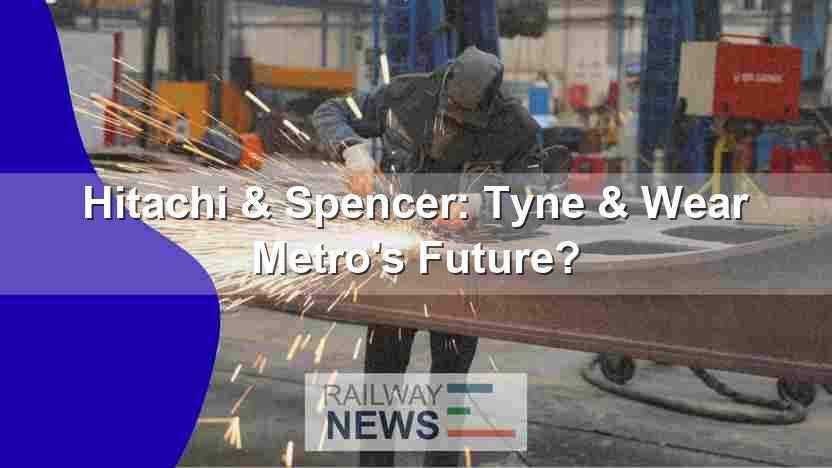
The modernization and expansion of urban rail systems are crucial for improving urban mobility and economic growth. This article explores the significant joint bid submitted by Hitachi Rail Europe and Spencer Group for the £500 million Tyne and Wear Metro (TWm) contract in the United Kingdom. This contract encompasses the complete lifecycle of a new fleet of trains, from design and manufacturing to maintenance and depot infrastructure. The strategic partnership between these two companies leverages their combined expertise and resources, offering a compelling proposition to Nexus (Tyne and Wear Passenger Transport Executive), the operator of the TWm system. This examination will explore the individual strengths of each company, the rationale behind their partnership, and the broader implications of this significant contract for the future of the Tyne and Wear Metro and the UK rail industry. We will also analyze the competitive landscape and the potential impact of this project on regional economic development and job creation. The implications of this project extend beyond the immediate scope of the contract, touching upon broader trends in the railway industry, including the increasing importance of public-private partnerships and the integration of advanced technologies in rolling stock (railway vehicles) and infrastructure maintenance.
Hitachi Rail Europe’s Expertise in Rolling Stock Manufacturing and Technological Advancement
Hitachi Rail Europe, a leading player in the global railway market, brings extensive experience in the design, manufacturing, and delivery of advanced rolling stock. Their significant investment in their Newton Aycliffe train factory, creating approximately 700 permanent jobs, underscores their commitment to UK-based manufacturing and economic growth. Their expertise extends to the integration of cutting-edge technologies, such as improved passenger information systems, enhanced safety features, and optimized energy efficiency in their train designs. This technological edge provides a competitive advantage in securing contracts like the TWm project, which requires modern, reliable, and sustainable rolling stock. Their proven track record in delivering complex railway projects globally adds further weight to their bid.
Spencer Group’s Strength in Infrastructure and Multi-Disciplinary Engineering
Spencer Group’s multi-disciplinary engineering capabilities complement Hitachi’s expertise in rolling stock. Their experience encompasses civil engineering, infrastructure development, and depot maintenance. Their significant workforce in the North of England, including their Hull headquarters, strengthens their local presence and emphasizes their commitment to regional development. Their proven ability to manage and execute large-scale infrastructure projects, such as depot upgrades for Hitachi’s intercity trains on the East Coast Main Line, exemplifies their capacity to deliver the required maintenance center at Gosforth as part of the TWm contract. This collaborative approach demonstrates a synergistic relationship that reduces risk and enhances efficiency in project delivery.
Synergistic Partnership: A Winning Combination
The partnership between Hitachi and Spencer Group represents a synergistic approach to the TWm contract. By combining their complementary strengths – Hitachi’s rolling stock manufacturing and Spencer Group’s infrastructure and engineering capabilities – they offer a detailed and integrated solution. This holistic approach minimizes potential conflicts and ensures seamless integration throughout the project’s lifecycle. The combined resources, expertise, and local presence of both companies significantly enhance their bid’s competitiveness against other contenders, such as Bombardier Transportation UK, CAF, Stadler Bussnang, and the Downer EDI Rail/CRRC Changchun Railway Vehicles joint venture.
Economic Impact and Regional Development
The award of the TWm contract to the Hitachi-Spencer Group partnership would have a substantial positive impact on the regional economy. The project promises significant job creation, both directly through construction and manufacturing, and indirectly through supporting industries. Hitachi’s existing investments in Newton Aycliffe and Spencer Group’s presence in the North of England will act as catalysts for further economic growth. The modernization of the Tyne and Wear Metro will also improve the transport infrastructure in the region, boosting connectivity and supporting economic activity. This contract provides an opportunity to foster innovation and expertise within the UK rail industry, contributing to its long-term competitiveness.
Conclusions
The joint bid by Hitachi Rail Europe and Spencer Group for the Tyne and Wear Metro contract represents a significant development in the UK rail sector. The partnership leverages the complementary strengths of two major players, combining Hitachi’s expertise in rolling stock manufacturing and technological innovation with Spencer Group’s capabilities in infrastructure and multi-disciplinary engineering. This synergistic approach offers a compelling and detailed solution to Nexus, addressing all aspects of the project from train design and construction to depot maintenance. The success of this bid would not only modernize the Tyne and Wear Metro system, improving passenger experience and regional connectivity, but also deliver a substantial economic boost to the North of England through job creation and investment. The collaboration between Hitachi and Spencer Group showcases a growing trend in the railway industry towards large-scale public-private partnerships, where the combined resources and expertise of multiple organizations are harnessed to deliver complex infrastructure projects effectively and efficiently. The contract’s award to this joint bid signifies a vote of confidence in the UK’s rail industry and its capacity for innovation and growth. The success of this ambitious project will undoubtedly serve as a model for future urban rail modernization schemes both within the UK and internationally, highlighting the strategic benefits of such collaborative partnerships in driving economic development and improving public transport systems.

Railway infrastructure, rolling stock and transport technologies specialist focused on global rail industry developments, high-speed rail systems, signaling technologies and freight transportation. Covering railway investments, public transport modernization, rail operations and international mobility projects across Europe, Asia and North America.
RELATED POSTS

September 6, 2026 5:19 am
Hitachi delivered Taiwan's first N700ST high-speed train from Japan in...

September 5, 2026 4:19 pm
CPK launched formal tender talks with four consortia to design...

September 5, 2026 7:14 pm
HS2 Ltd signed renegotiated civils contracts with EKFB and Align...

September 6, 2026 4:12 am
Alstom delivered the first of 100 new G Class trams...

September 6, 2026 6:17 am
Hungary ordered a national ban on most freight trains from...

September 6, 2026 1:17 am
Hitachi Toshiba Supreme Consortium confirmed the first of 12 N700ST...