
Hitachi Rail Modernizes Hamburg-Berlin Line
Hitachi Rail is modernizing the Hamburg-Berlin rail line with cutting-edge CCS systems, boosting efficiency and supporting Germany’s rail network.
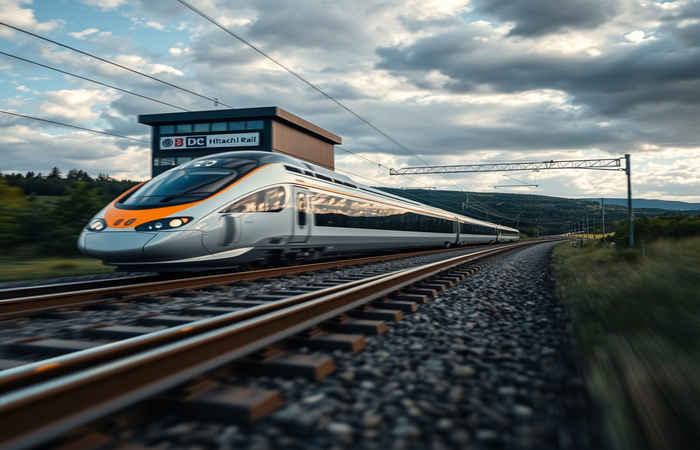
Hitachi Rail to Modernize Hamburg-Berlin Rail Line in Germany
Germany, June 3, 2025 – Hitachi Rail has been selected to spearhead a significant modernization project along the Hamburg-Berlin rail line, a vital artery within the German railway network and a key component of the broader European rail infrastructure. This initiative, undertaken on behalf of DB InfraGO (Deutsche Bahn’s infrastructure arm), focuses on a comprehensive overhaul of the control-command and signalling (CCS) systems across a 200-kilometer stretch of the line, spanning from Paulinenaue to Schwanheide. This endeavor is crucial for enhancing the efficiency, capacity, and overall performance of one of Germany’s busiest direct rail connections. The modernization aligns with Deutsche Bahn’s strategic objectives to upgrade high-performance corridors, promoting decarbonization within the transport sector and increasing the rail network’s operational capabilities. Furthermore, this project is integrated into the Trans-European Transport Network (TEN-T) initiative, which seeks to facilitate the integration of European rail transport systems. The project encompasses several key technological upgrades, including the renewal of electronic interlocking subcenters and trackside equipment, along with the installation of new crossovers at strategic locations. The project’s technological advancements are designed to maintain the line’s high-speed capabilities, allowing trains to operate at speeds up to 230 km/h, ensuring that the Hamburg-Berlin route remains competitive for long-distance travel.
Control-Command and Signalling Systems: The Technological Backbone
The core of the modernization project lies in the upgrade and renewal of the existing control-command and signalling (CCS) systems. These systems are the technological backbone of modern railway operations, responsible for ensuring the safe and efficient movement of trains along the track. The project encompasses the replacement of older, less efficient systems with advanced, state-of-the-art technologies. Hitachi Rail will be implementing its advanced control technology, specifically the ESTW L90 system, which is based on the latest hardware platforms. This includes the renewal of electronic interlocking subcenters, the installation of modern trackside equipment, and the integration of a continuous automatic train control system (LZB) to maintain the line’s high-speed capabilities. This will ensure that trains can operate safely at speeds up to 230 km/h. The implementation of these technologies will not only enhance the safety and reliability of the line but will also contribute to increased capacity by allowing for a more optimized train schedule. Furthermore, minor adjustments to the track layout will be made to improve operational efficiency and throughput.
Enhancing Efficiency and Promoting Sustainability
Beyond the technological upgrades, the project incorporates measures designed to enhance overall operational efficiency and promote sustainability. By modernizing the CCS systems and optimizing track layouts, the project aims to streamline train movements, reduce delays, and increase the line’s capacity. Maintaining the existing travel time between Hamburg and Berlin, which is approximately 90 minutes, is a crucial aspect of ensuring the appeal of long-distance rail travel. The project is also aligned with Deutsche Bahn’s broader decarbonization strategy, which focuses on reducing the environmental impact of its operations. This involves the adoption of energy-efficient technologies, the optimization of train operations, and the integration of renewable energy sources. Hitachi Rail’s involvement in this project emphasizes its commitment to advancing sustainable mobility solutions in Europe. The improvements to the Hamburg-Berlin line are a strategic step in strengthening the European high-speed network, supporting the shift towards a more environmentally friendly and efficient transport system.
Integration with TEN-T and European Rail Network
The Hamburg-Berlin line modernization project is closely integrated with the Trans-European Transport Network (TEN-T), a European Union initiative aimed at fostering the development of a cohesive and integrated transport infrastructure across the continent. TEN-T promotes the standardization of railway systems and the seamless interoperability of trains and infrastructure across national borders. By upgrading the CCS systems and integrating them with the TEN-T network, the project will facilitate cross-border rail travel, improve the efficiency of international freight transport, and contribute to the overall integration of the European rail network. This project exemplifies the collaborative effort between Hitachi Rail, DB InfraGO, and the European Union to create a more sustainable and interconnected transport system. The project aligns with broader goals to enhance Europe’s high-speed network, supporting the shift towards a more environmentally friendly and efficient transport system.
Conclusion
The modernization of the Hamburg-Berlin rail line, spearheaded by Hitachi Rail, represents a significant advancement in railway infrastructure technology and a crucial step towards a more sustainable transport network in Germany and across Europe. This comprehensive project encompasses the renewal of control-command and signalling systems, including electronic interlocking subcenters and trackside equipment, alongside the implementation of advanced technologies like the ESTW L90 system, maintaining the line’s high-speed capabilities. The project’s scope extends beyond technology, involving strategic improvements to track layouts to optimize operational efficiency and uphold the essential 90-minute travel time between Hamburg and Berlin, ensuring the line’s competitive edge in long-distance travel. This effort is strategically integrated with the Trans-European Transport Network (TEN-T), supporting the integration of European rail transport systems and enhancing cross-border connectivity. Furthermore, the project is aligned with Deutsche Bahn’s nationwide strategy for high-performance corridors, designed to decarbonize transport and increase rail network capacity. The collaboration not only enhances the infrastructure but also reinforces the European high-speed network and showcases Hitachi Rail’s dedication to sustainable mobility solutions. The successful completion of this project will enhance the reliability, safety, and efficiency of a critical rail link, paving the way for a more interconnected and eco-friendly transportation landscape in Europe. The partnership will promote the development of a resilient, interconnected, and environmentally responsible transportation framework for future generations.
Summary of Companies Mentioned:
- Hitachi Rail: A global provider of railway systems, signaling solutions, and rolling stock. They are involved in this project to modernize the Hamburg-Berlin rail line, providing advanced control technology and CCS systems.
- DB InfraGO: The infrastructure division of Deutsche Bahn, responsible for maintaining and upgrading Germany’s rail network.
- Deutsche Bahn: Germany’s national railway company, which is committed to the modernization of its high-performance corridors, decarbonizing transport, and increasing rail network capacity.
RELATED POSTS
July 21, 2025 7:33 am
Victorian railway: Dandenong South level crossing removed, boosting safety and...
November 12, 2025 4:54 pm
Queensland Rail extends its maintenance agreement, securing onboard digital services...
December 15, 2025 11:39 pm
Vossloh wins a major contract with SNCF Réseau, maintaining 200km...

June 23, 2025 6:33 pm
India exports first locomotives to Guinea, boosting railway sector. ...
June 10, 2025 1:00 pm
Czech Republic modernizes railways with GSM-R deployment, boosting efficiency and...

February 12, 2018 8:44 am
High-speed rail's future hinges on innovation. Discover how advanced...