
Hitachi Rail: 3D Printing Revolutionizes Spare Parts
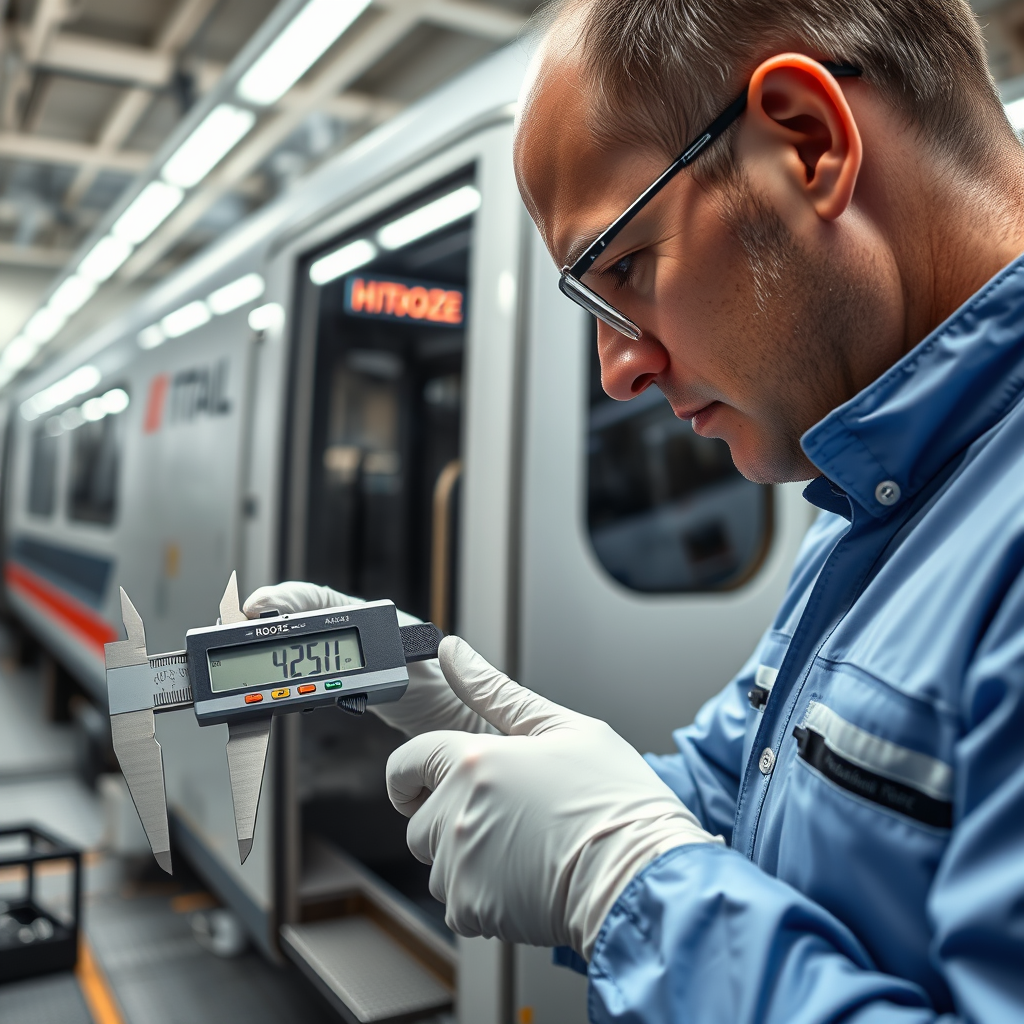
This article explores the strategic partnership between Hitachi Rail, a leading global railway manufacturer, and ROBOZE, a provider of industrial 3D printing solutions. The collaboration centers on the implementation of ROBOZE’s Argo 500 3D printing system within Hitachi Rail’s manufacturing facilities in Italy and the United States. This partnership aims to revolutionize Hitachi Rail’s spare parts supply chain, significantly impacting production efficiency, cost reduction, and overall operational agility. The adoption of additive manufacturing (AM) technologies, specifically using reinforced carbon fiber and resin, represents a major shift in the traditional manufacturing processes employed in the railway industry. This strategic move reflects a broader trend within the sector towards leveraging advanced manufacturing techniques to enhance competitiveness and meet the evolving demands of the global railway market. The subsequent sections delve into the specifics of this collaboration, examining the technological advantages, operational implications, and long-term strategic benefits for Hitachi Rail and the wider railway industry.
Additive Manufacturing in Railway Spare Parts Production
Hitachi Rail’s integration of ROBOZE’s Argo 500 3D printing system signifies a pivotal moment in the railway industry’s embrace of additive manufacturing (AM) technologies. Traditionally, railway spare parts production relied heavily on subtractive manufacturing methods such as machining, which often proved time-consuming and costly, especially for low-volume, high-value parts. The Argo 500, however, enables the rapid production of complex parts from reinforced carbon fiber and resin, materials known for their high strength-to-weight ratio and durability, ideal for demanding railway applications. This transition to AM allows for on-demand production of spare parts, drastically reducing lead times and eliminating the need for extensive warehousing of potentially obsolete components. The flexibility offered by 3D printing also enables the production of customized parts tailored to specific needs, thereby enhancing operational efficiency and minimizing downtime. This is particularly critical in maintaining the complex and highly specialized rolling stock utilized in high-speed rail systems.
Strategic Location and Operational Efficiency
The strategic deployment of the Argo 500 system within Hitachi Rail’s facilities in Naples, Italy, and the soon-to-open facility in Washington County, Maryland, underscores the company’s commitment to optimizing its global manufacturing footprint. The Naples facility already benefits from the implementation of this technology, and the new Maryland facility, a $70 million investment designed to produce the new 8000-series railcars for the Washington Metropolitan Area Transit Authority (WMATA), will fully integrate the advanced AM capabilities from the outset. This strategic placement not only facilitates localized production of spare parts, reducing transportation costs and lead times, but also directly contributes to the overall efficiency of Hitachi Rail’s operations. The proximity of the production facilities to major operational hubs also enables faster response times to maintenance and repair requirements, ultimately minimizing service disruptions and improving customer satisfaction.
Cost Reduction and Technological Advancement
The partnership with ROBOZE offers Hitachi Rail substantial cost advantages. By replacing traditionally machined metal parts with 3D-printed components, Hitachi Rail anticipates significant cost reductions in both material usage and production time. The reduced reliance on traditional machining processes translates to lower labor costs and minimized waste, furthering the company’s sustainability goals. Beyond cost savings, the adoption of AM represents a significant technological advancement for Hitachi Rail. The ability to produce prototypes rapidly and cost-effectively accelerates the innovation cycle, allowing for quicker development of new designs and the incorporation of advanced materials. This iterative approach to product development fuels the ongoing improvement of rolling stock technology and ensures Hitachi Rail remains at the forefront of the industry.
Conclusion
The collaboration between Hitachi Rail and ROBOZE represents a significant milestone in the integration of advanced manufacturing technologies within the railway industry. The implementation of ROBOZE’s Argo 500 3D printing system across Hitachi Rail’s Italian and US facilities offers several key advantages: a streamlined spare parts supply chain characterized by reduced lead times and lower costs; enhanced operational efficiency through on-demand production and minimized warehousing; substantial cost reductions due to lower material usage, labor costs, and reduced waste; and accelerated innovation through rapid prototyping. The strategic placement of these AM capabilities in key operational hubs allows for a faster and more effective response to customer needs, minimizing downtime and ensuring superior service. This partnership highlights a broader industry trend towards adopting additive manufacturing to enhance production processes, improve efficiency, and drive innovation. This approach will undoubtedly influence the future of railway manufacturing and contribute to the development of more sustainable and cost-effective railway systems globally. Hitachi Rail’s proactive investment in cutting-edge technologies positions them strongly within the competitive landscape of the global railway market, further reinforcing their commitment to delivering advanced and high-quality products to their customers.
RELATED POSTS

August 1, 2023 3:59 pm
This article explores the innovative apprenticeship program launched by DB...
October 30, 2025 1:54 am
West Midlands Railway completes a £70 million upgrade of the...
July 17, 2025 10:33 pm
Basildon station platform upgrade begins Monday, aiming for December 2025...
November 8, 2019 9:06 am
Revitalizing Uganda’s Railway Network: A Necessary Investment for Economic Growth...
June 4, 2020 12:38 am
This article delves into the complexities of constructing an underground...
September 28, 2023 6:56 pm
This article explores the strategic restructuring undertaken by Alstom in...